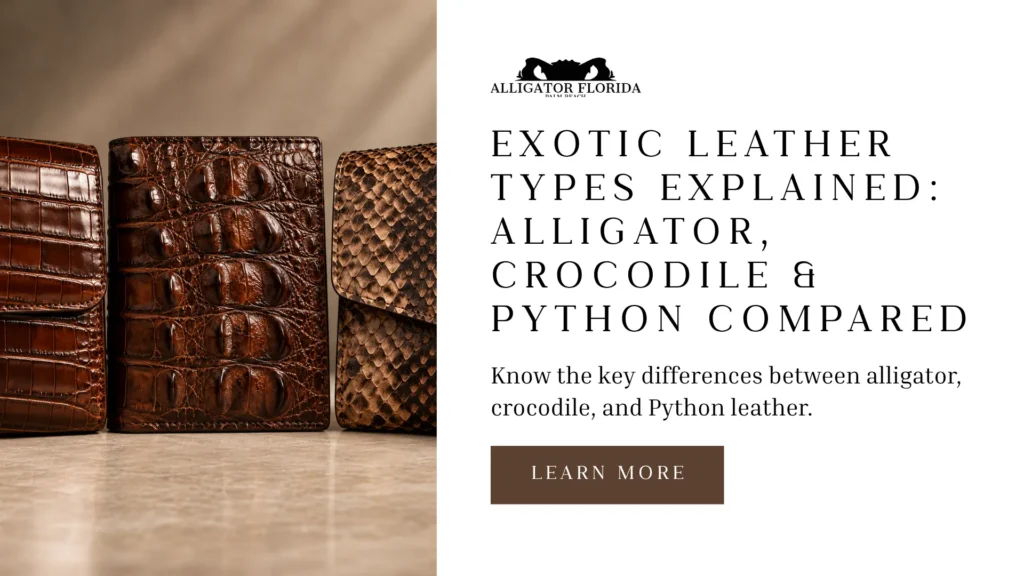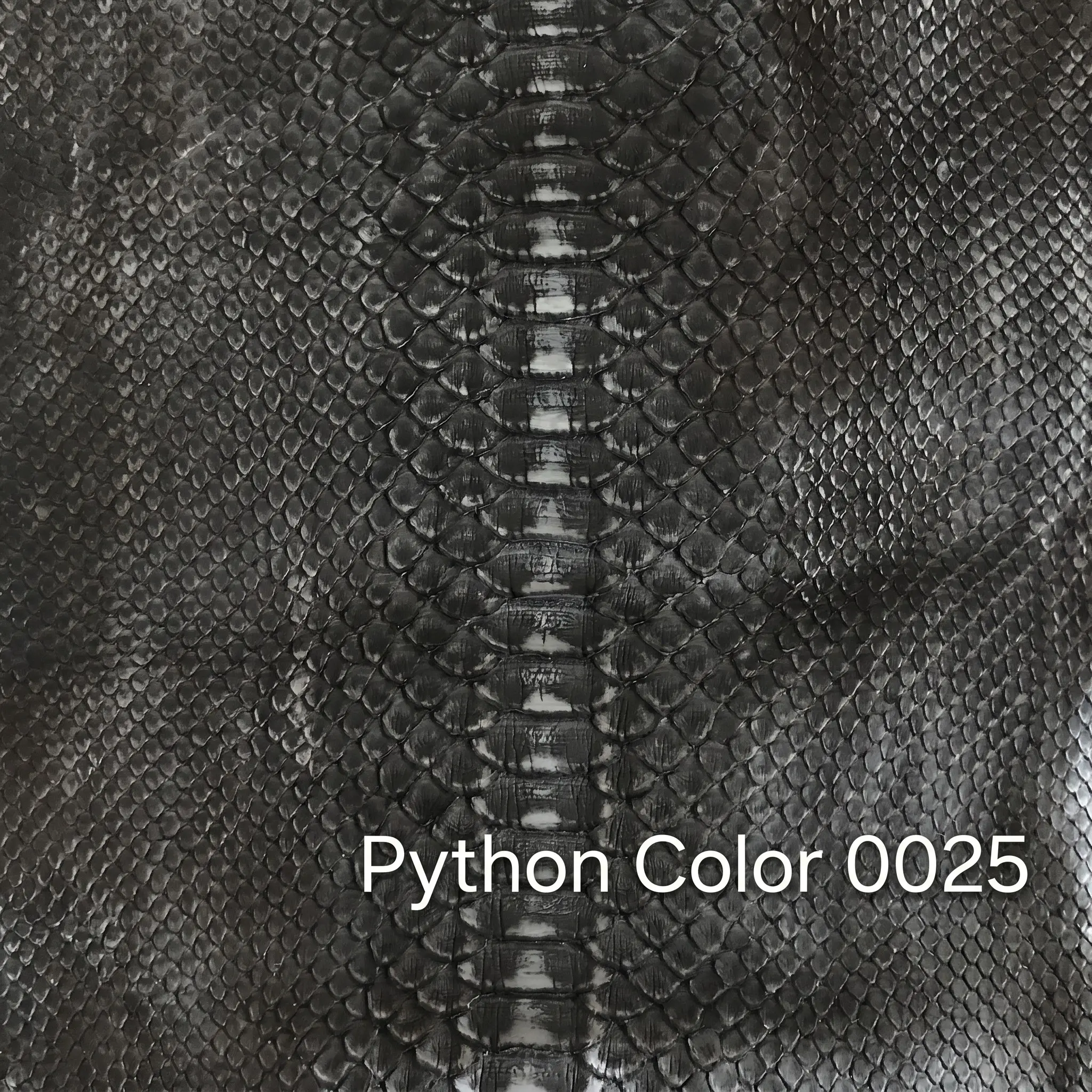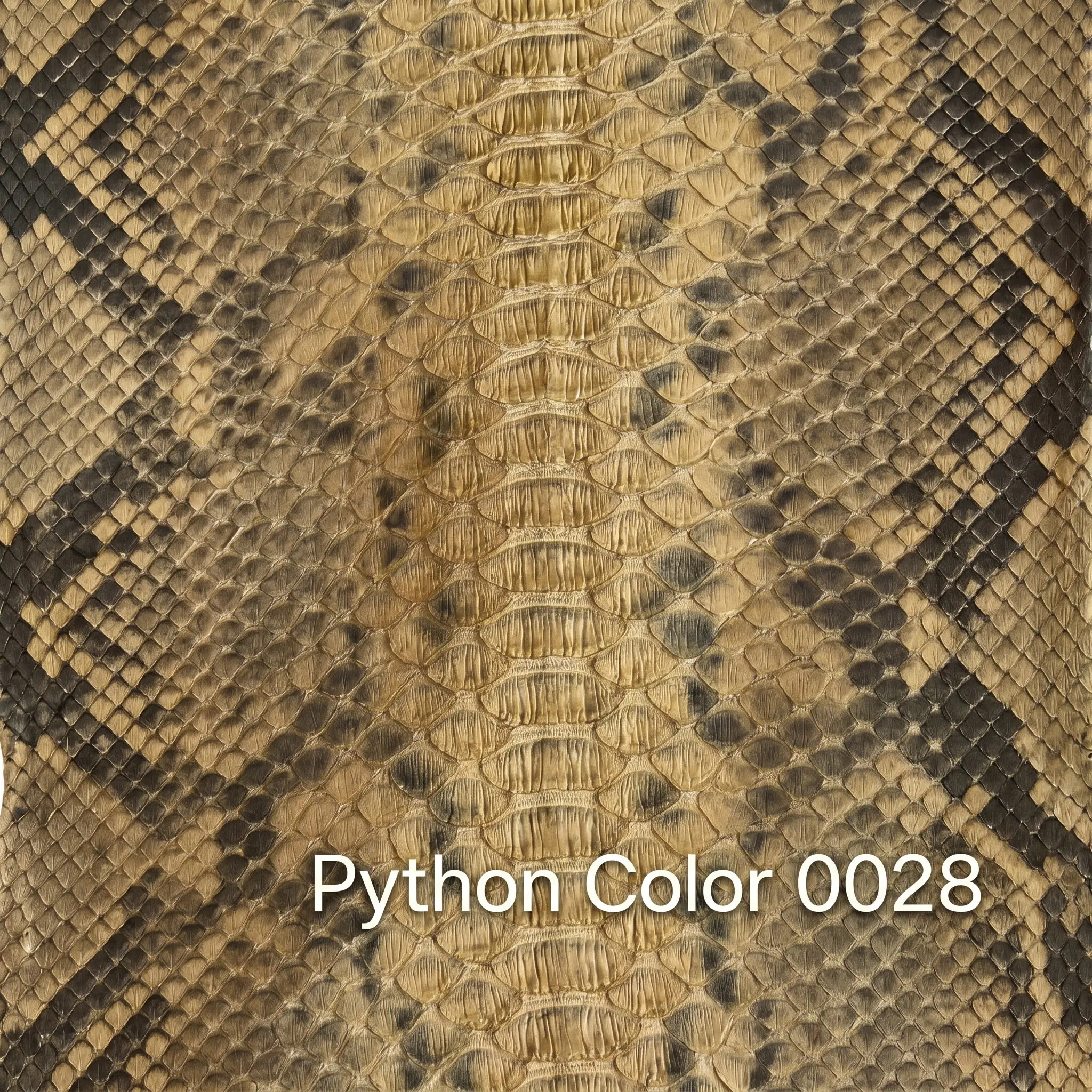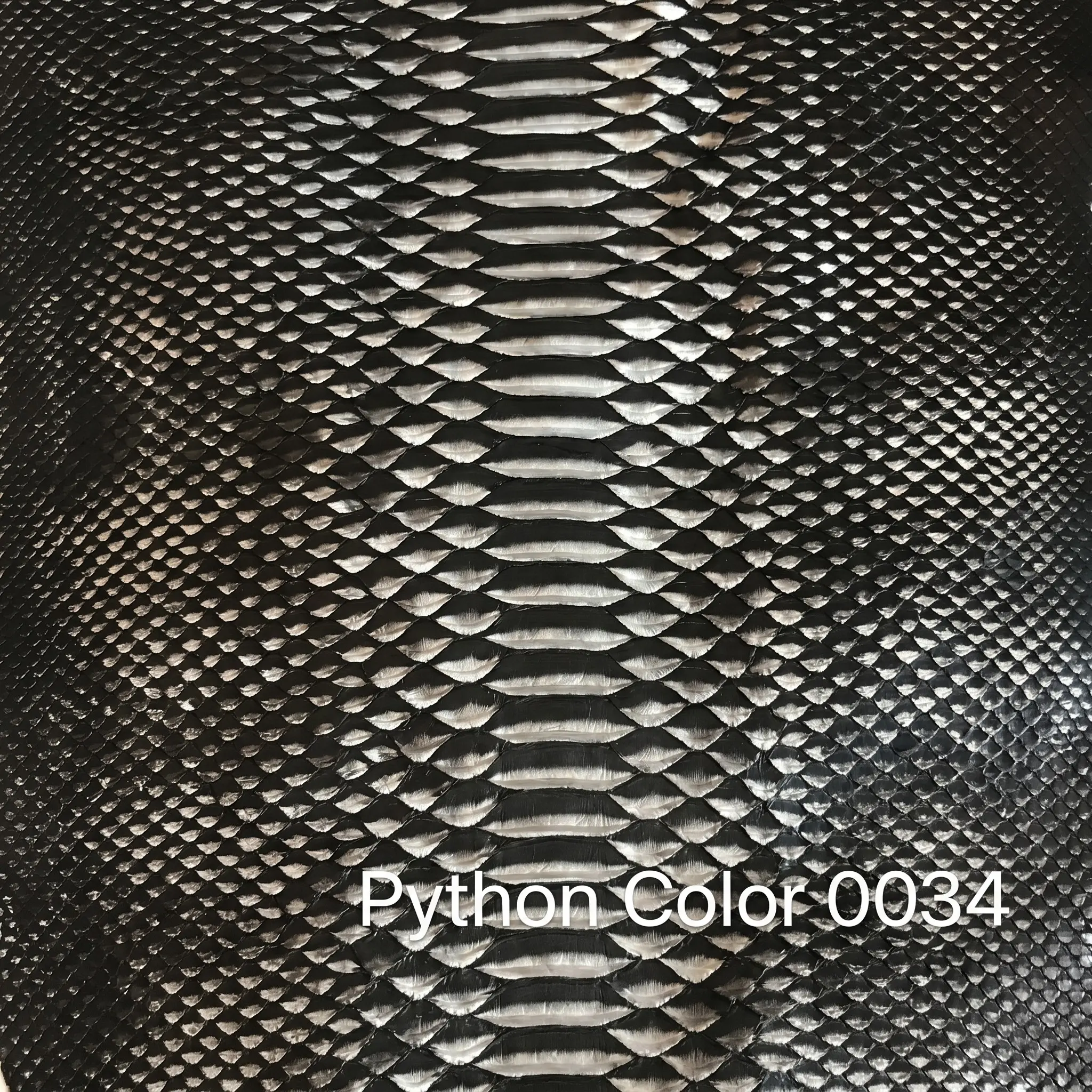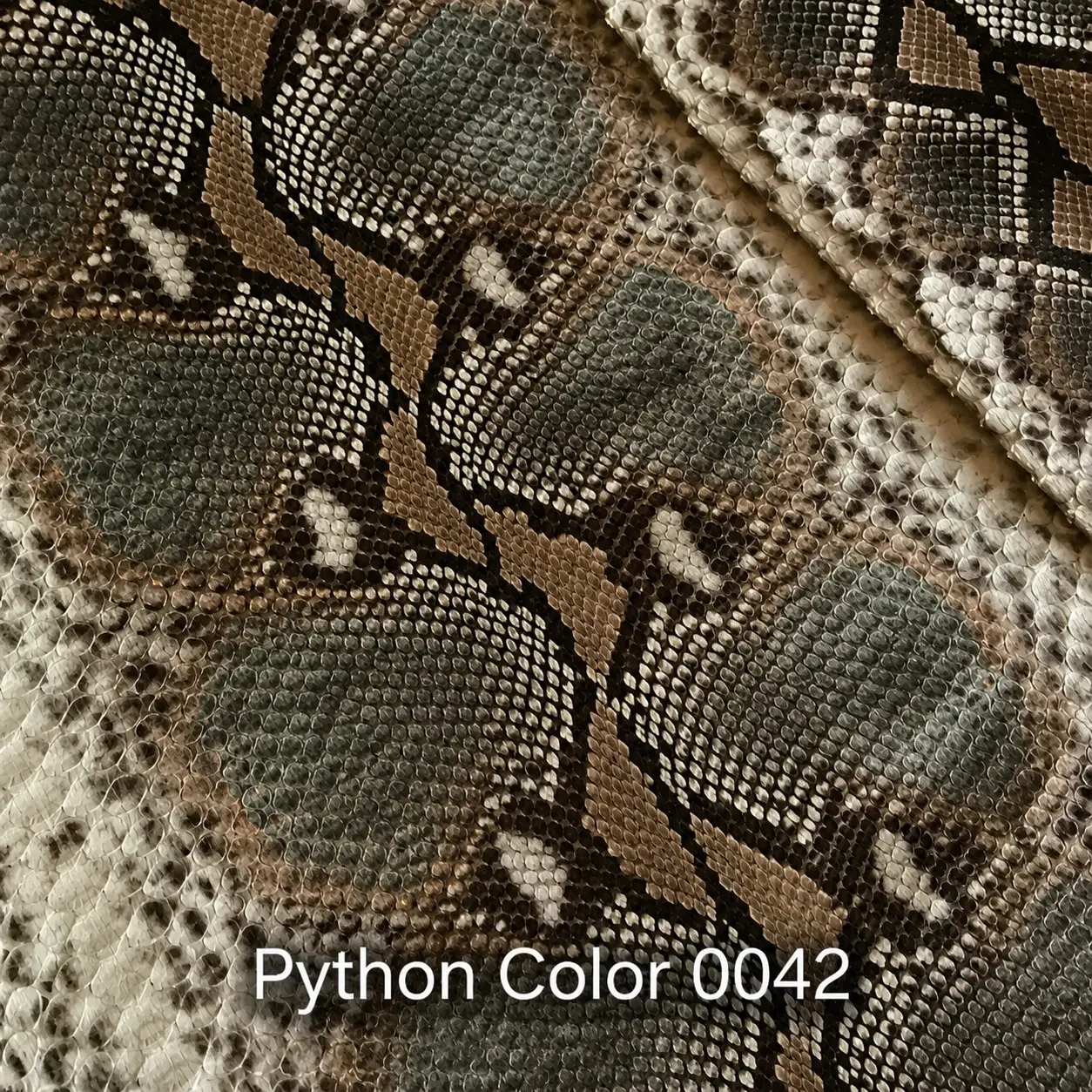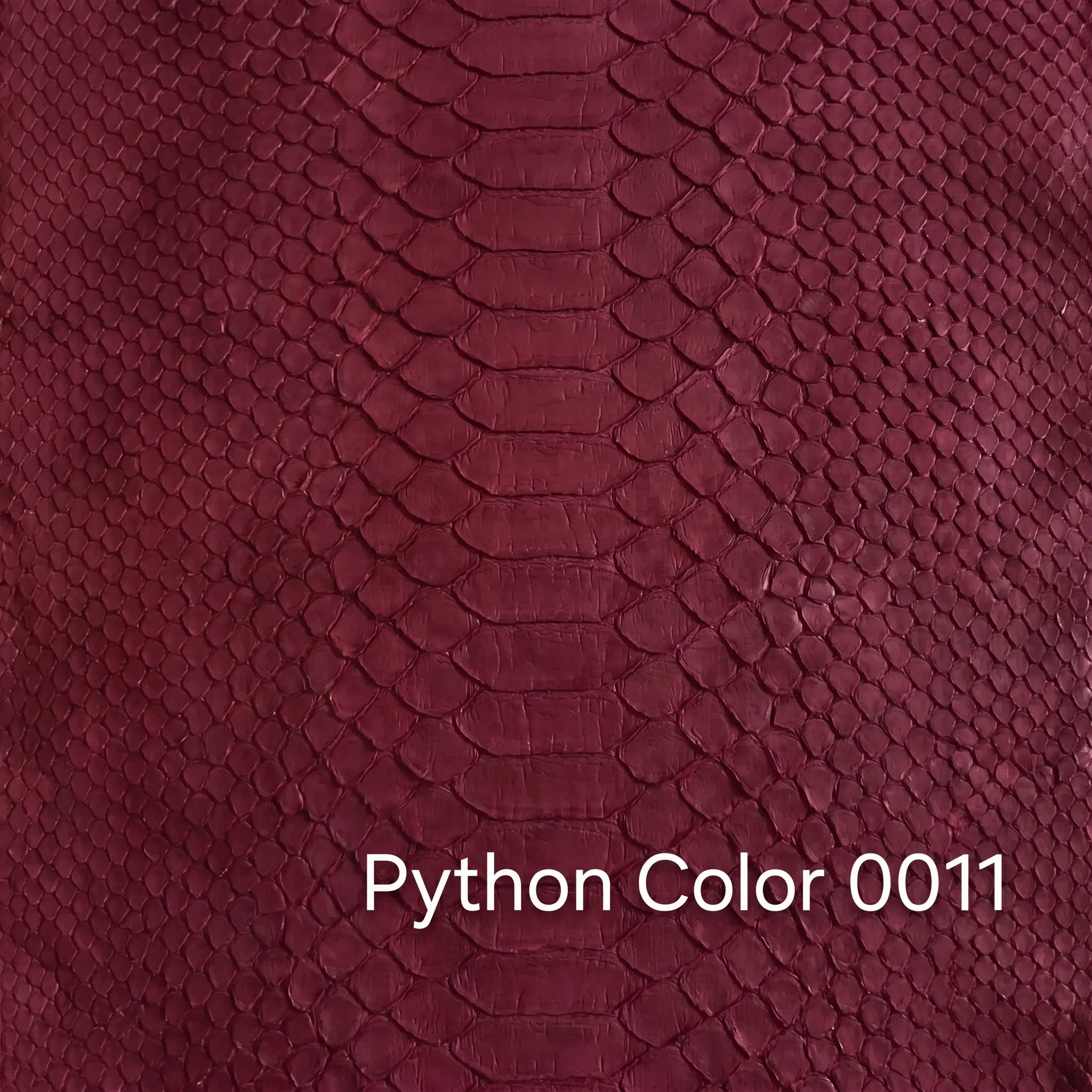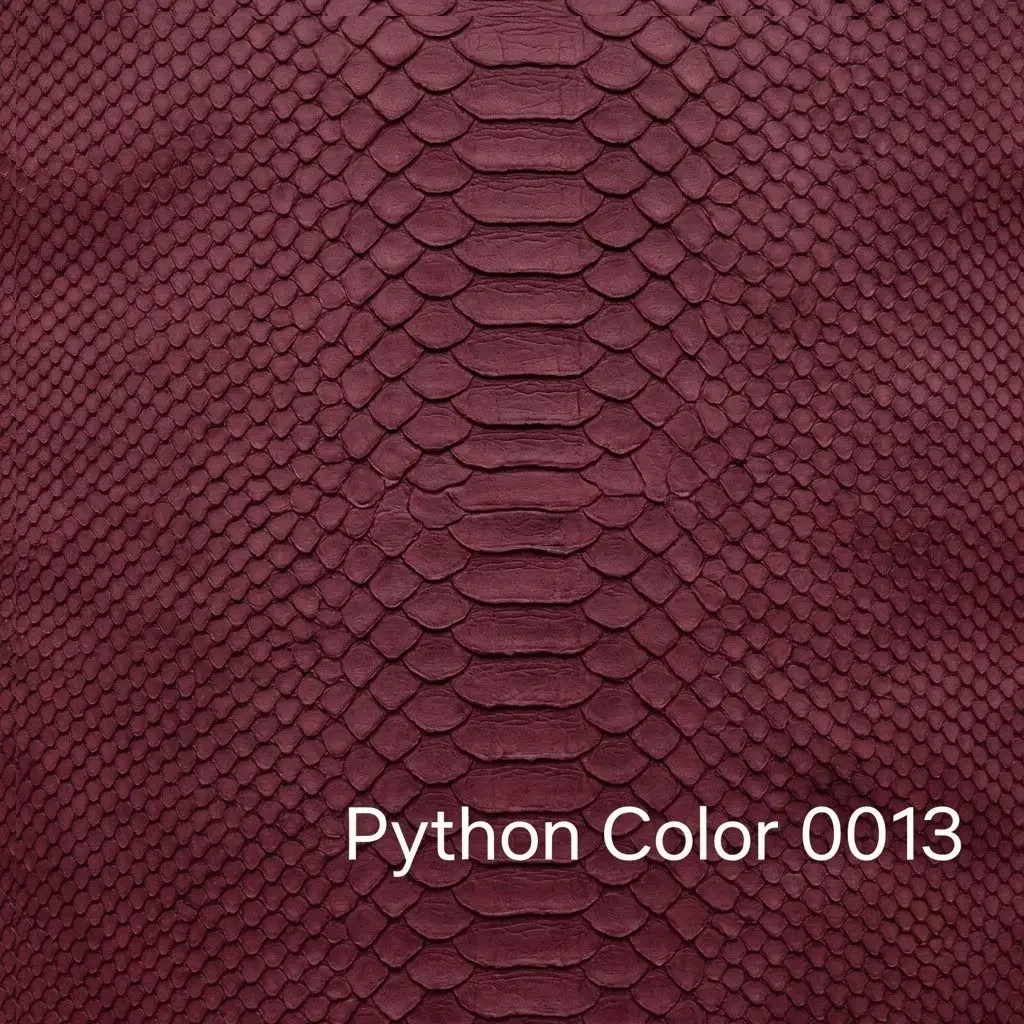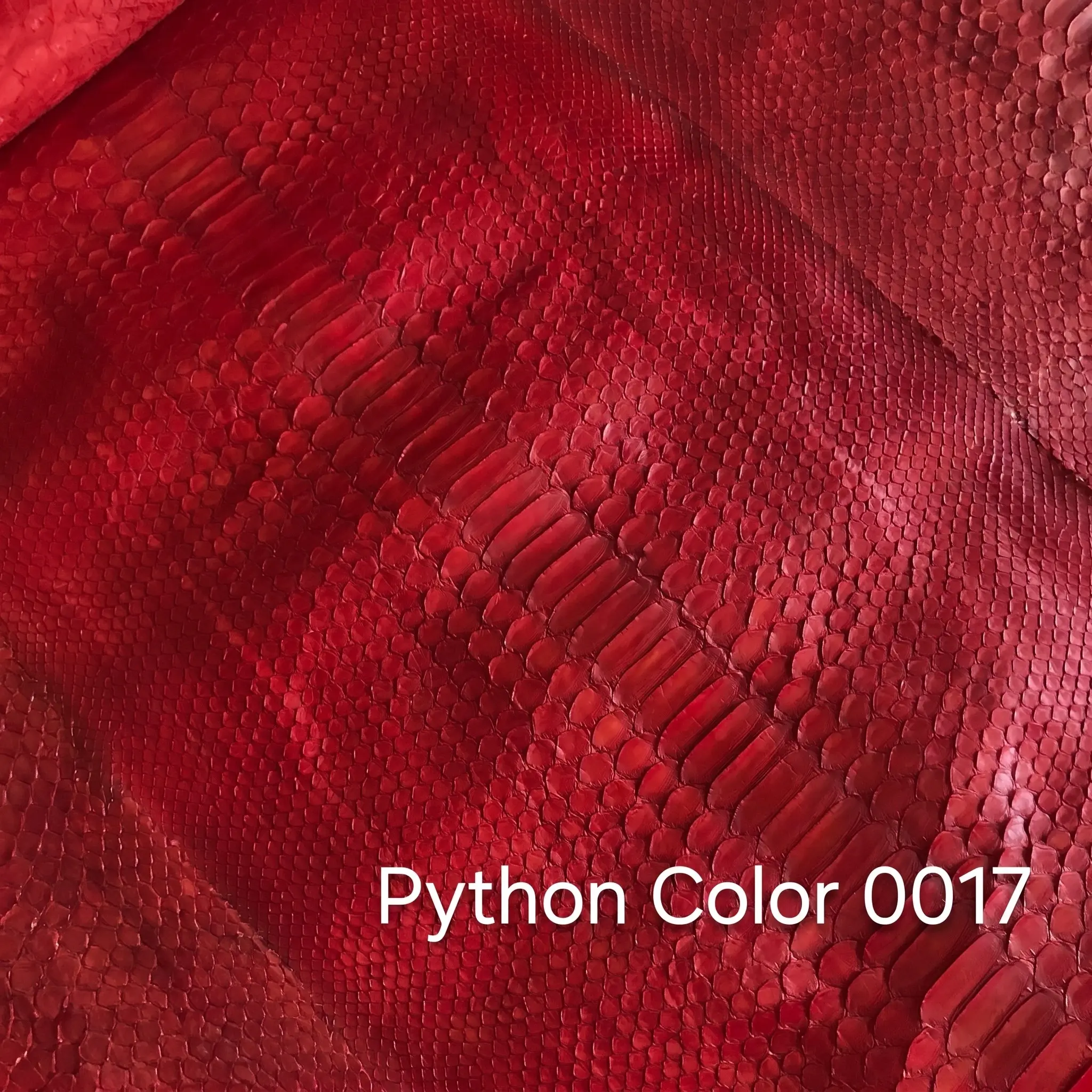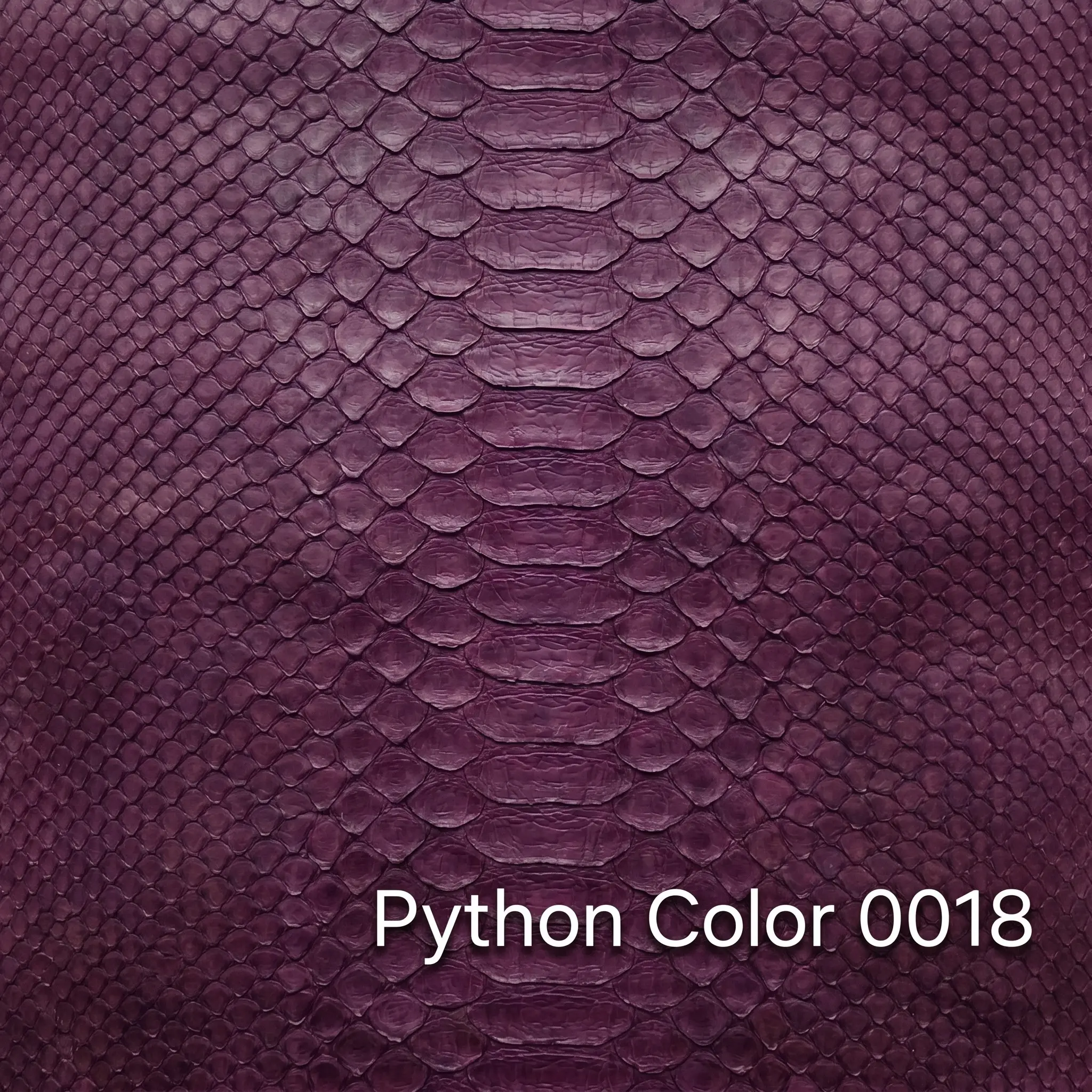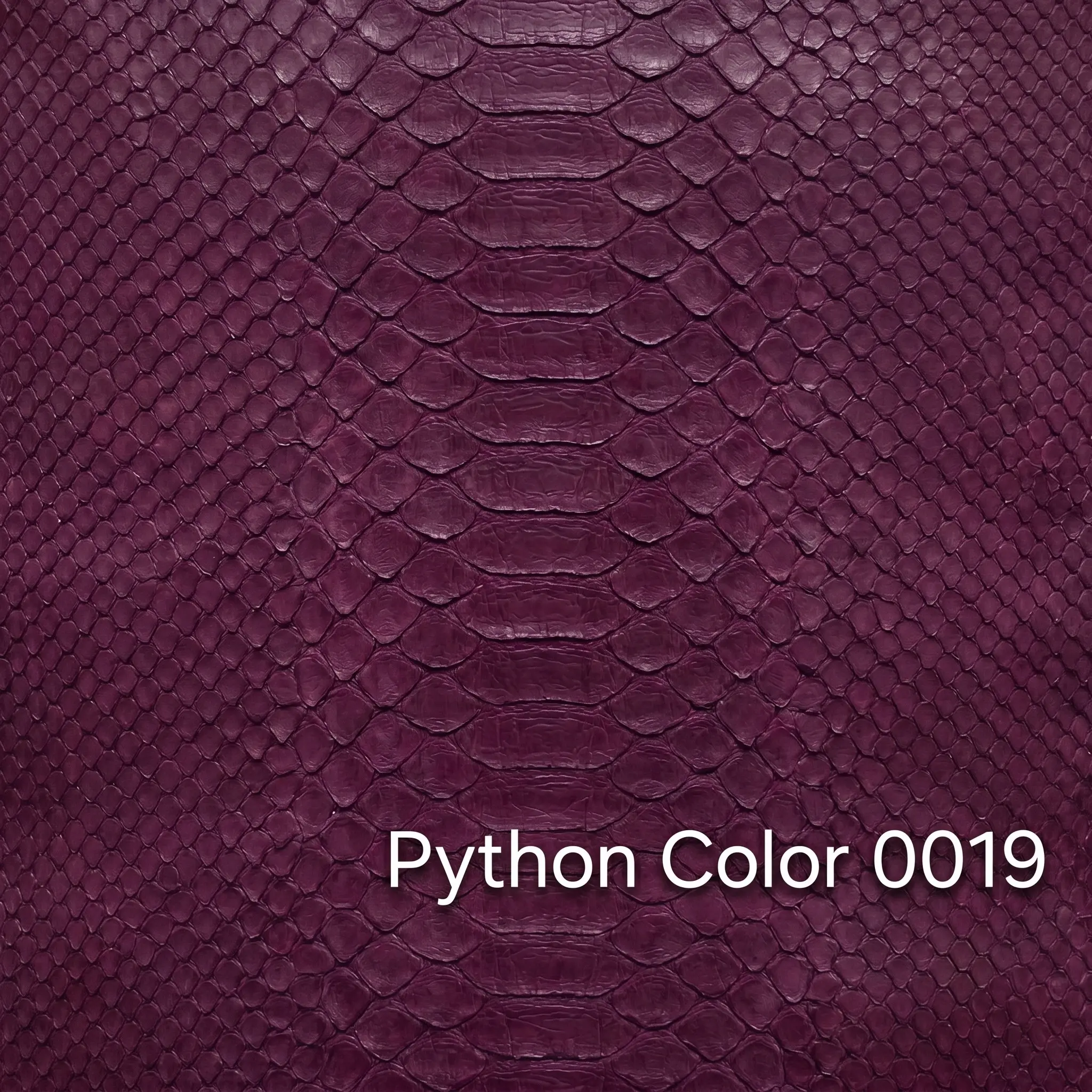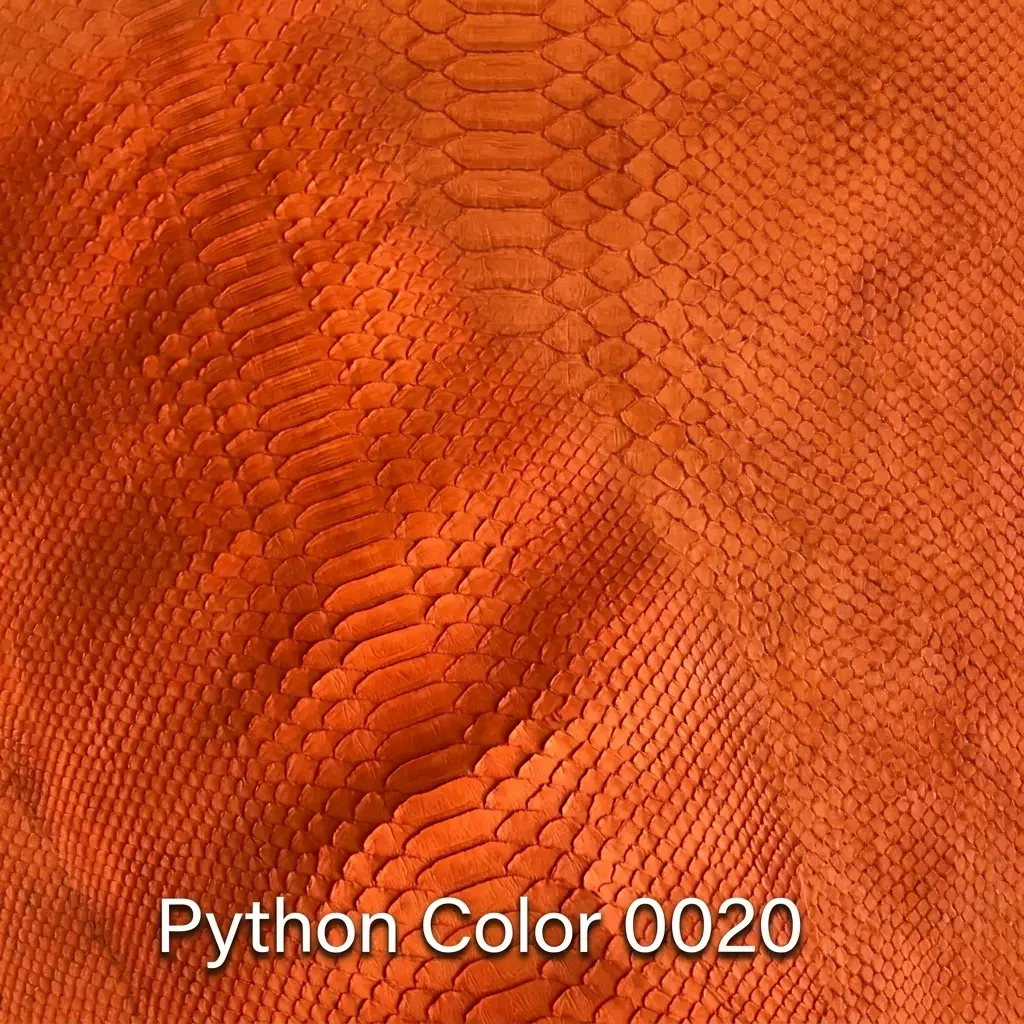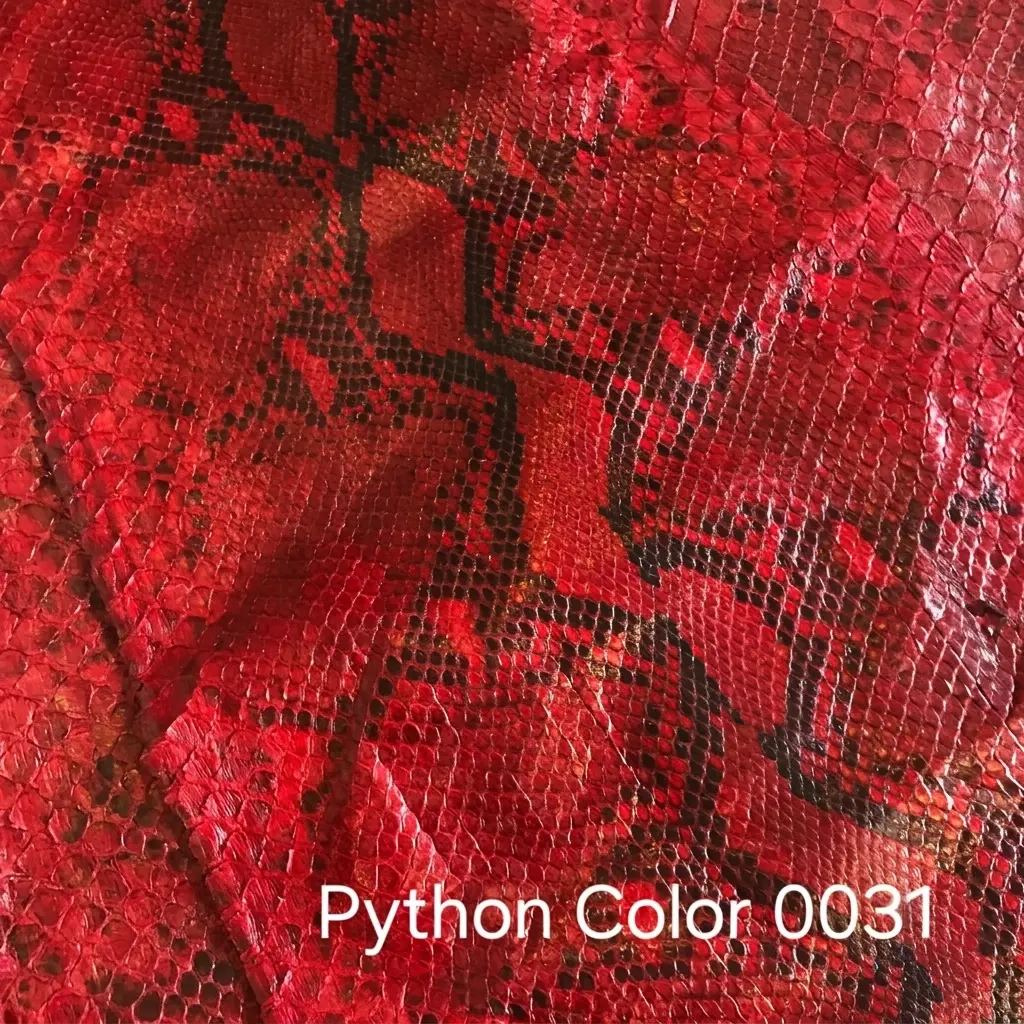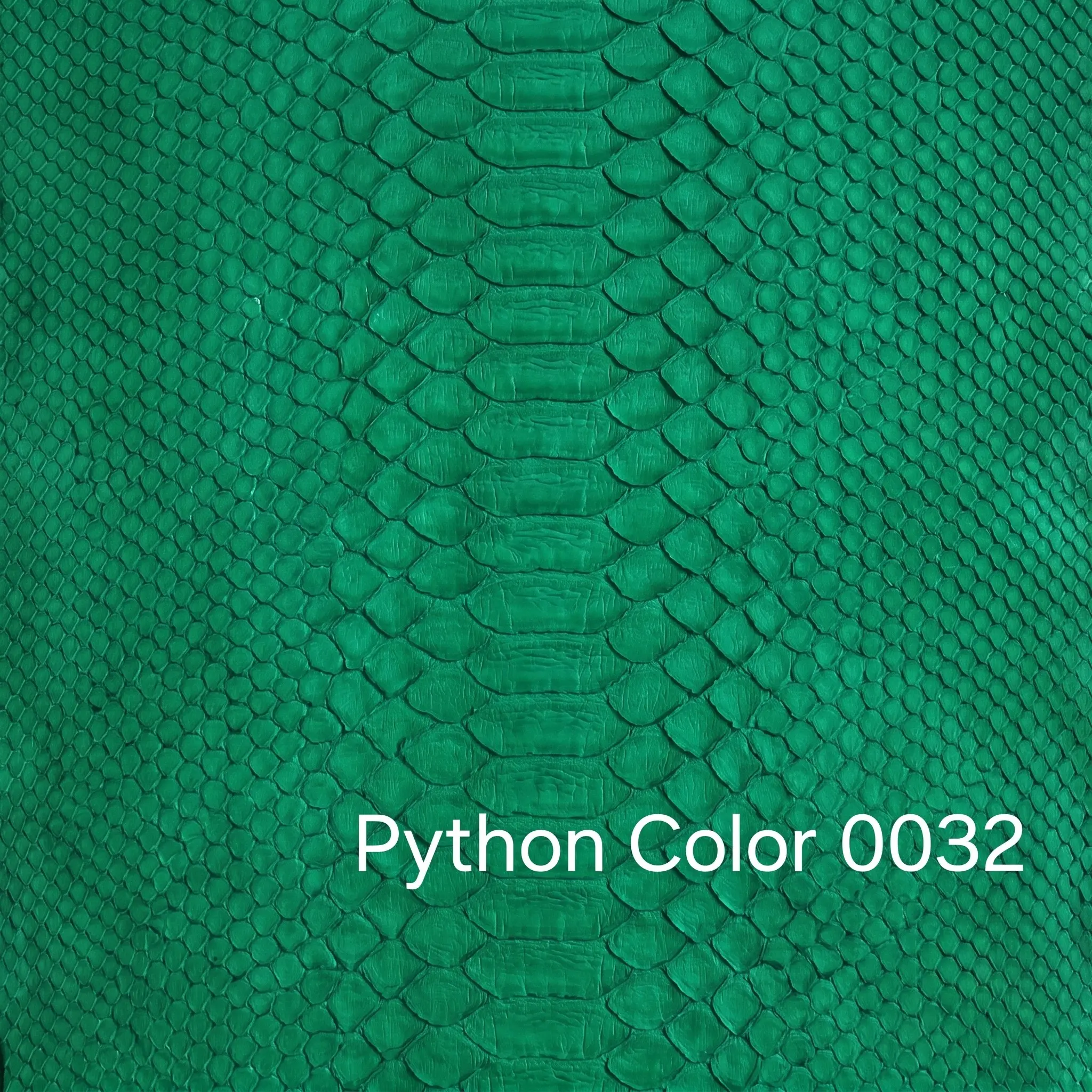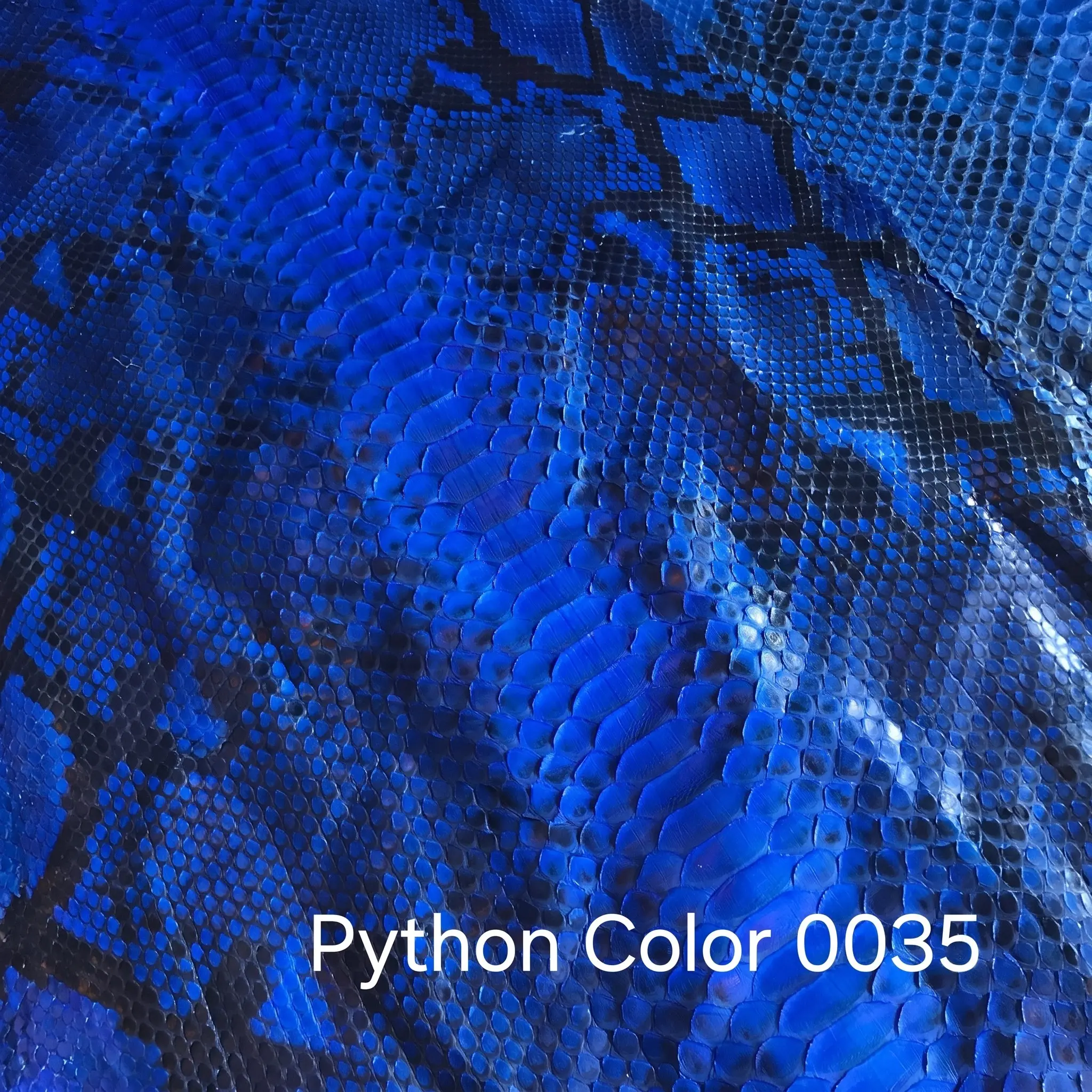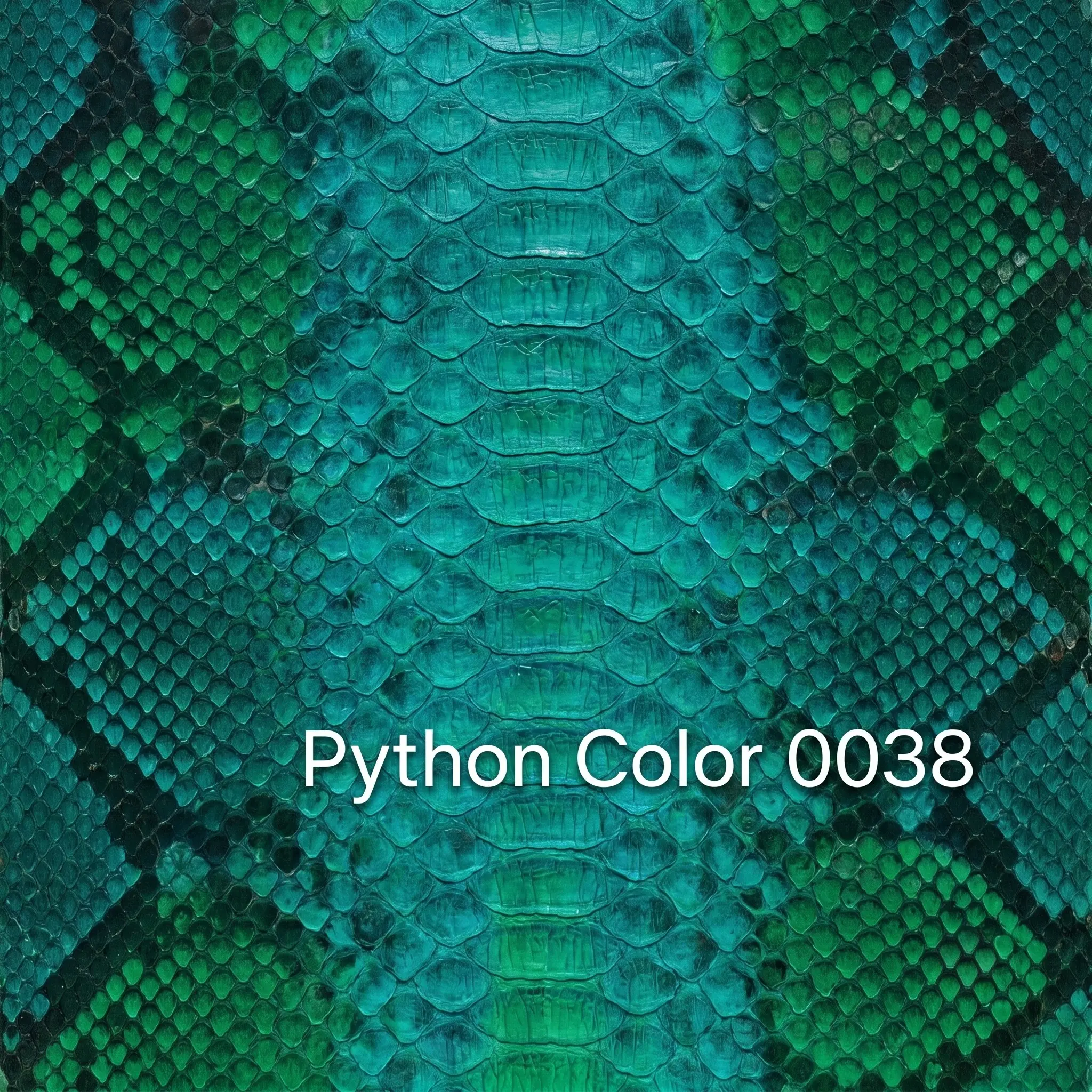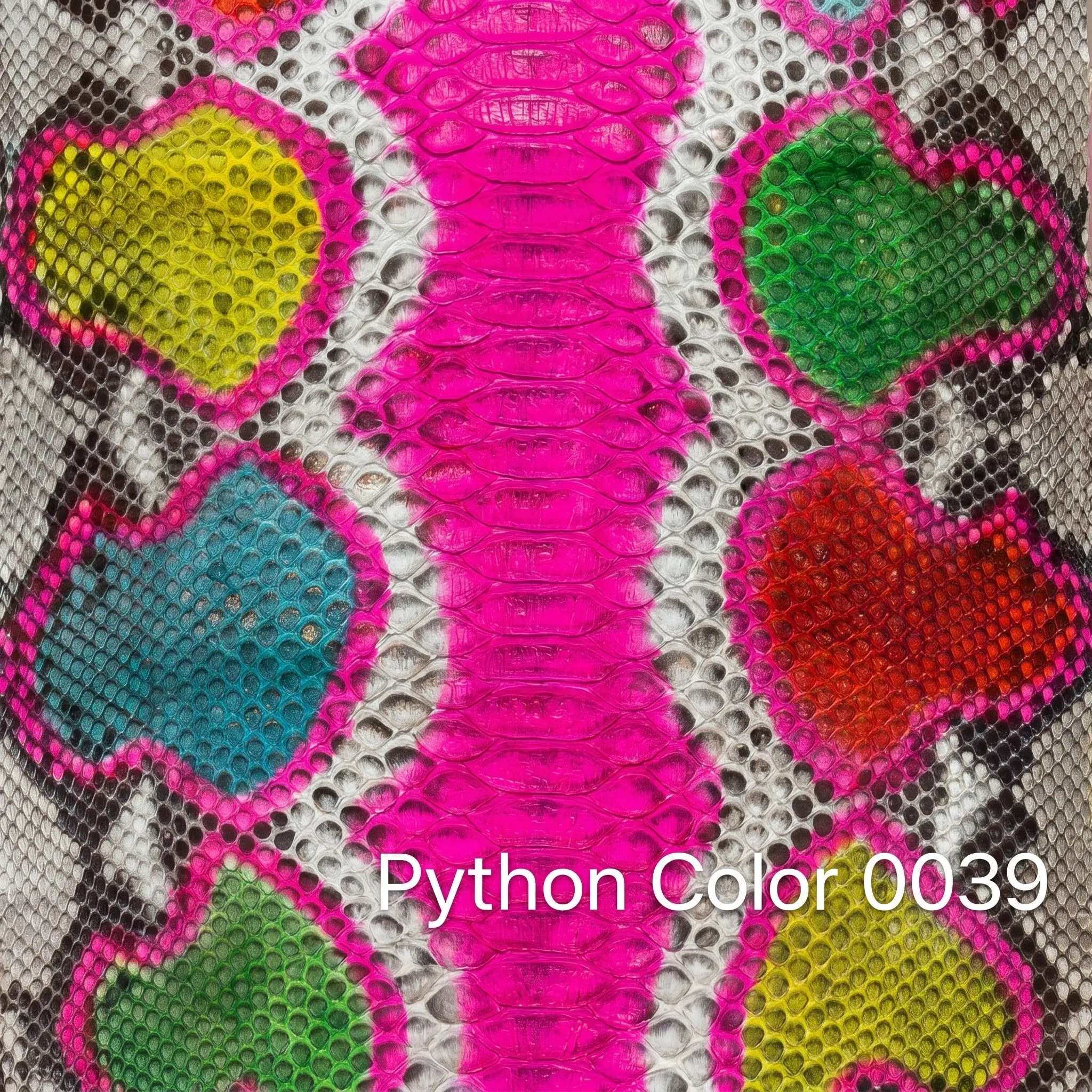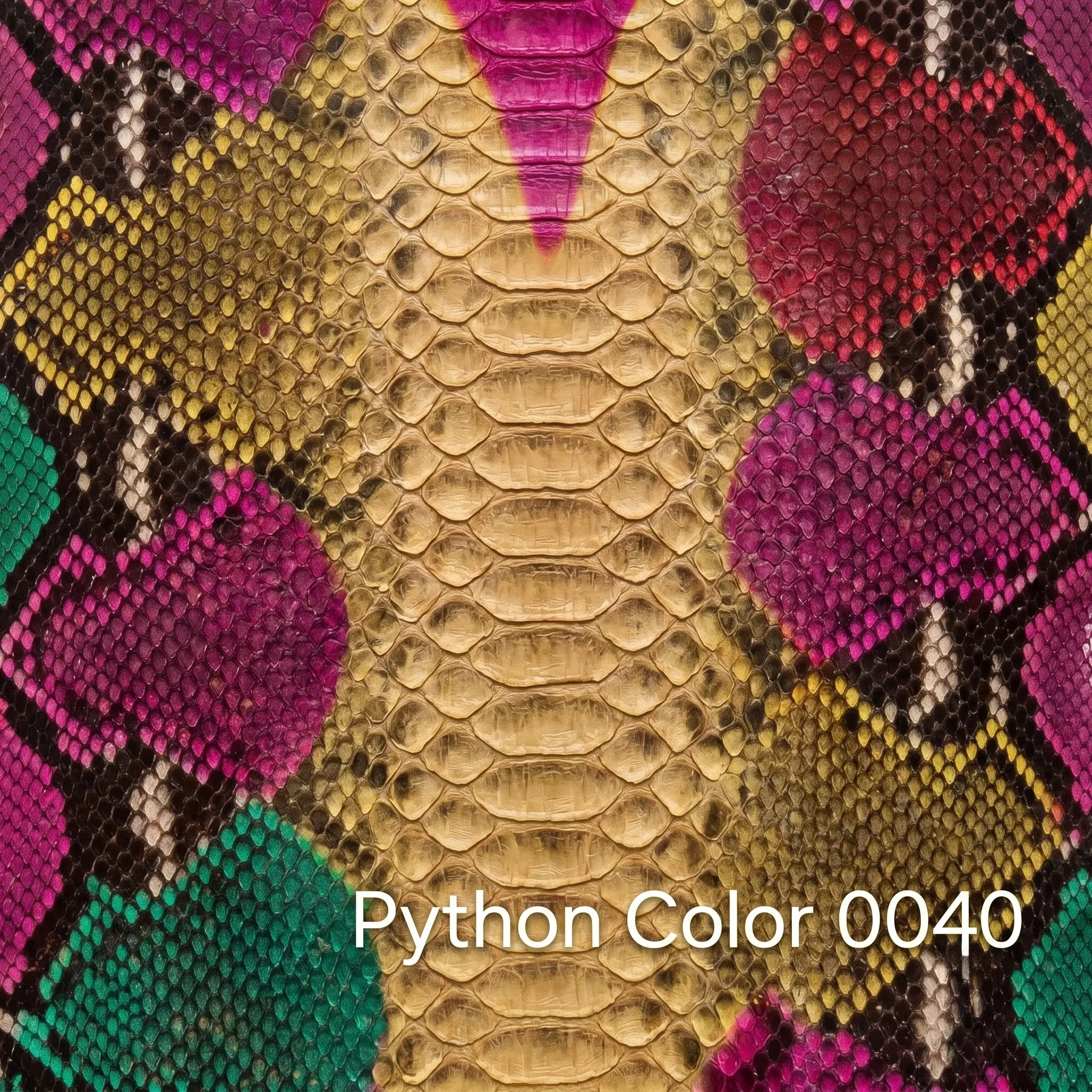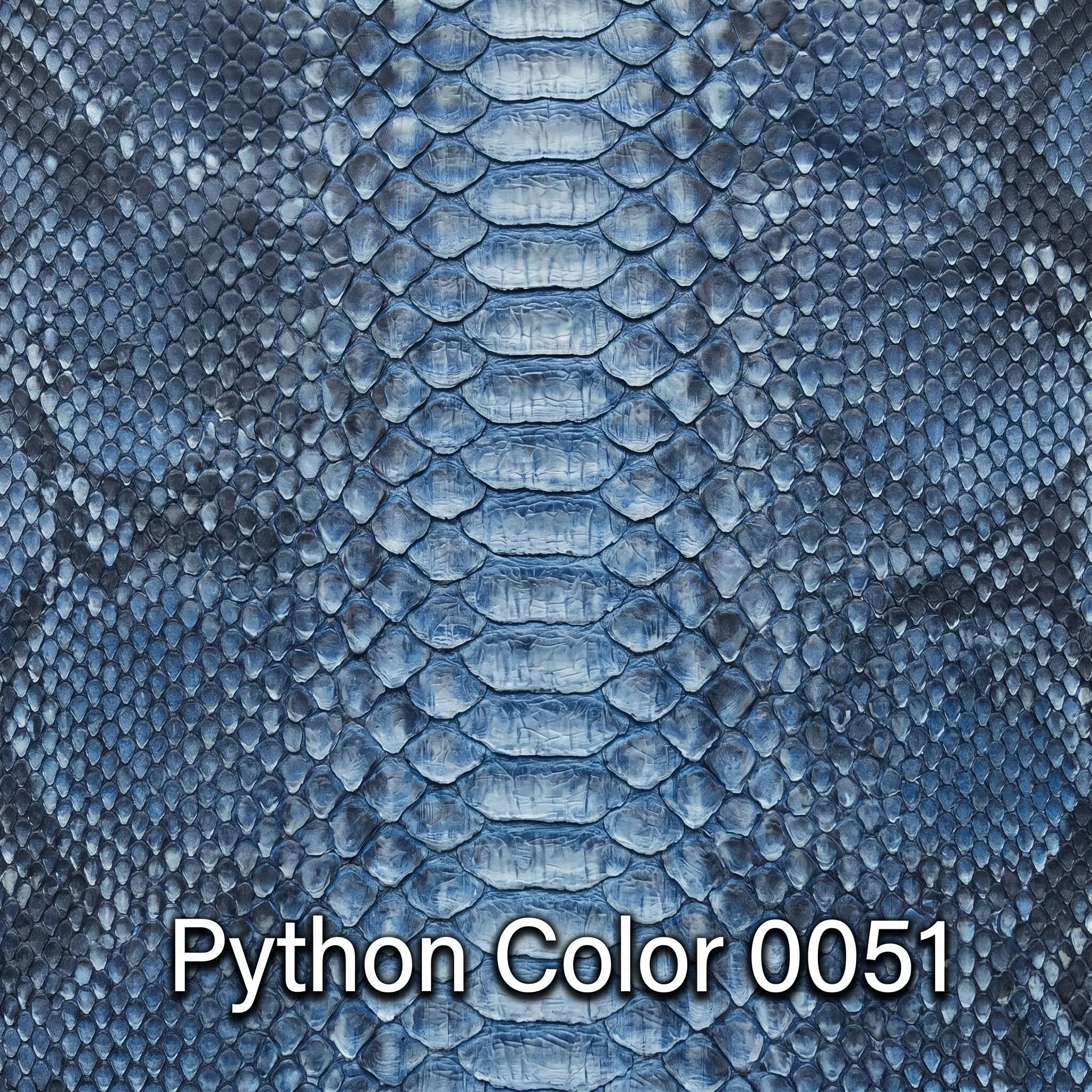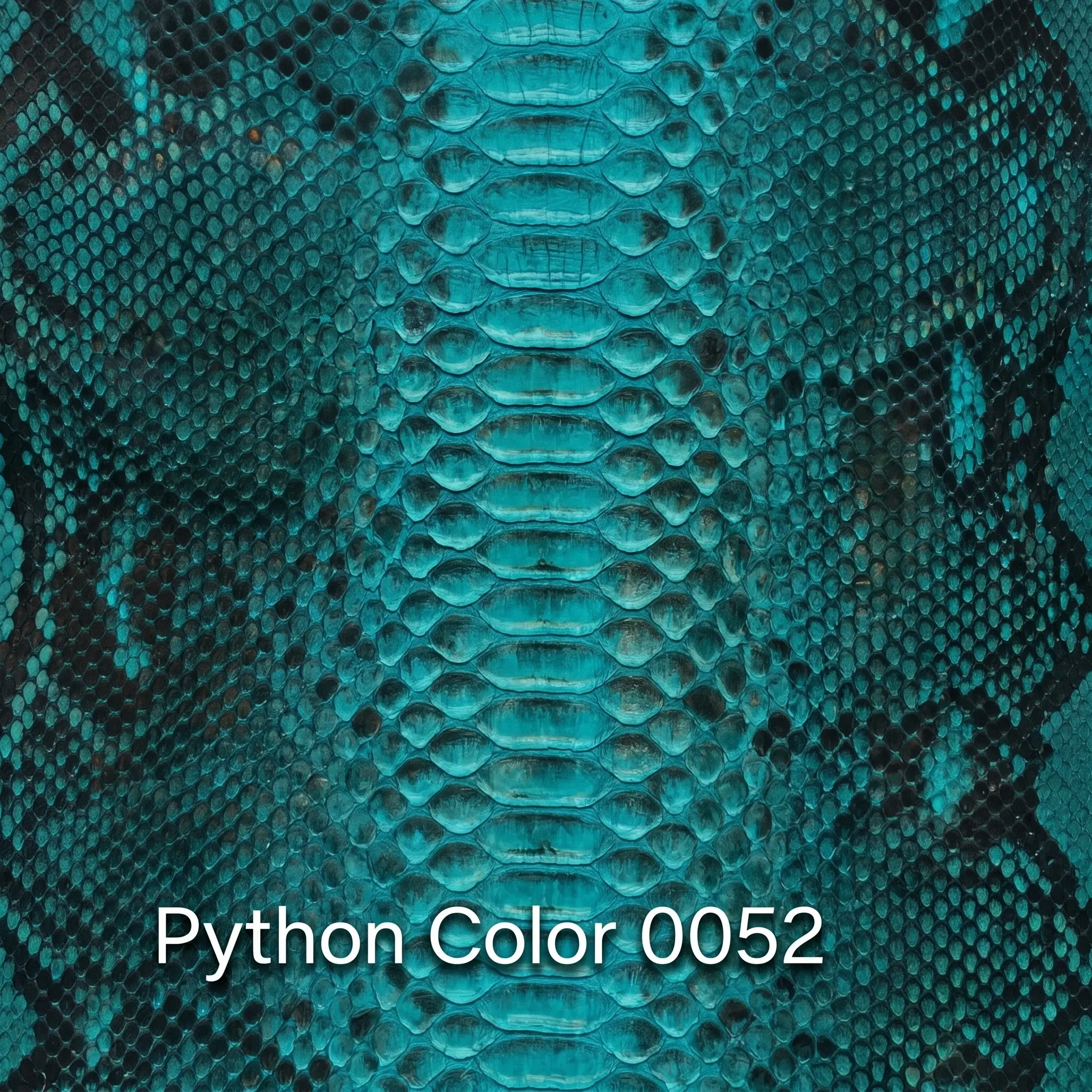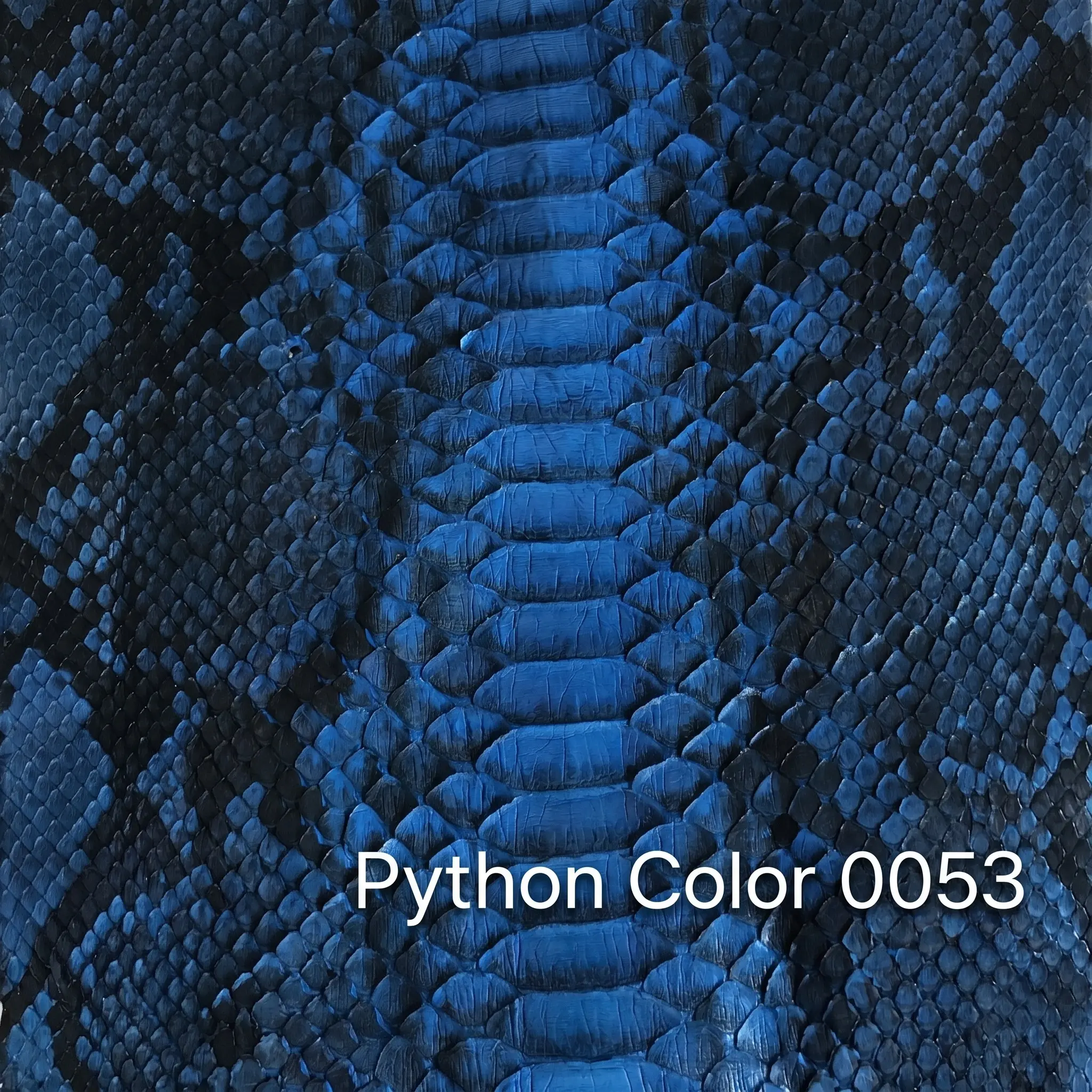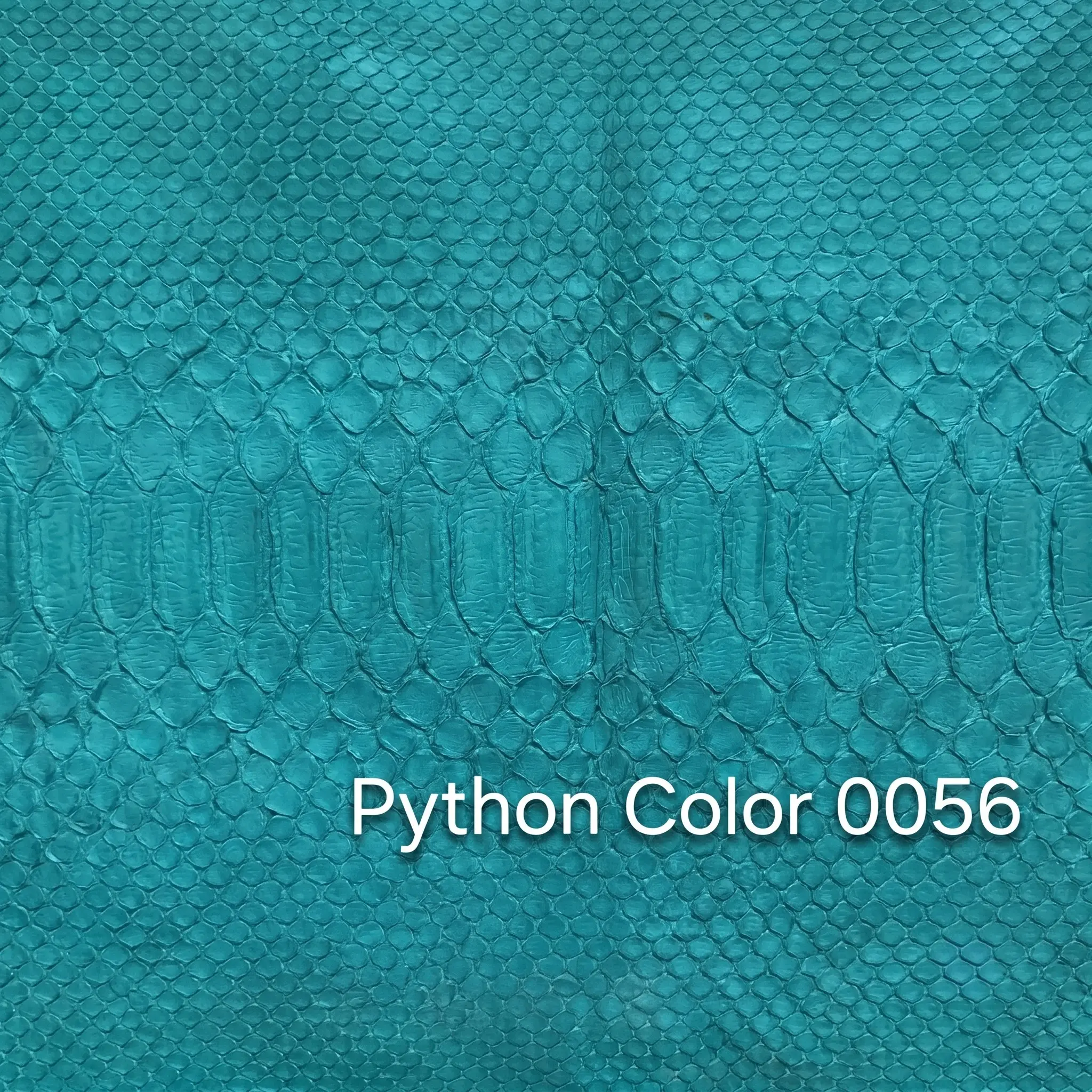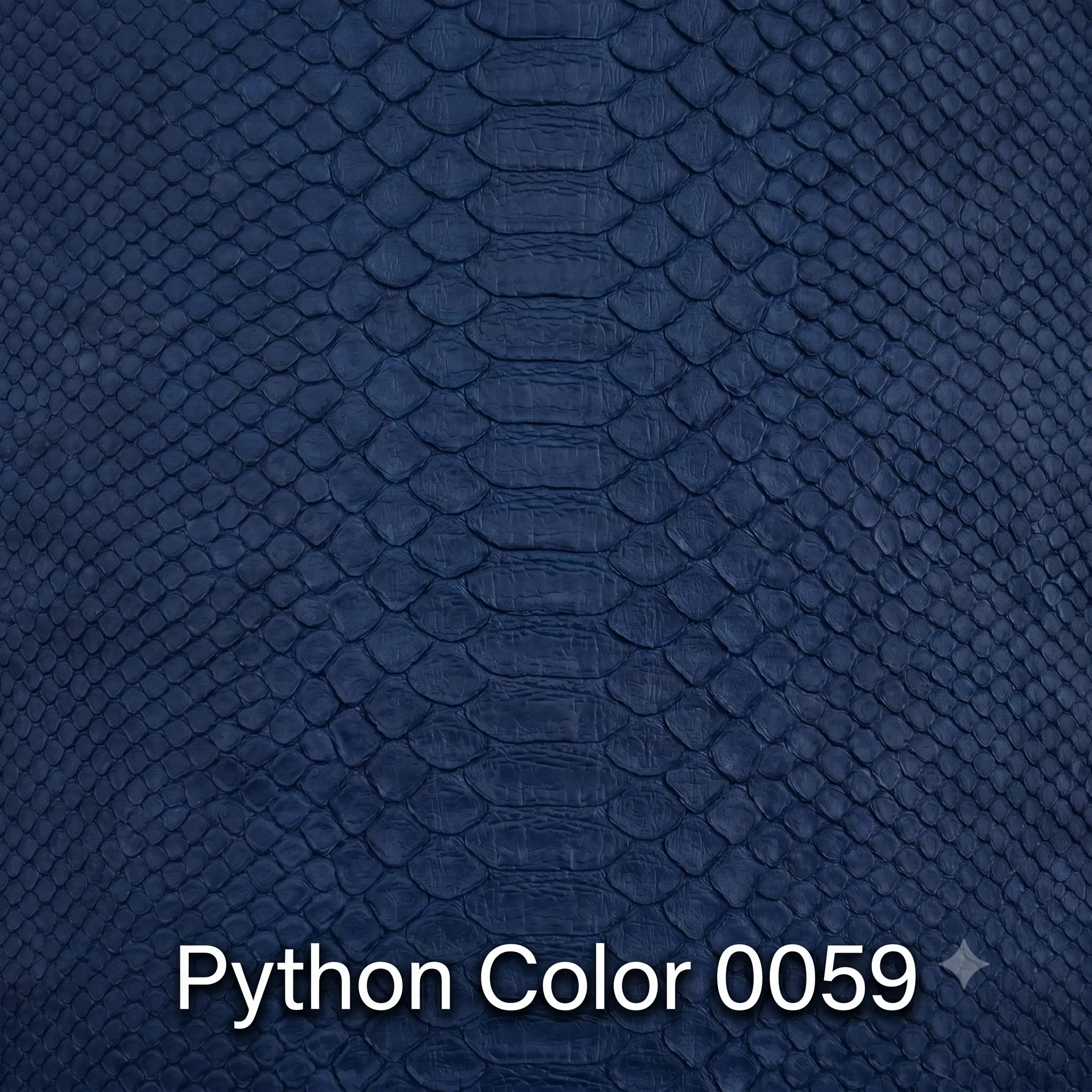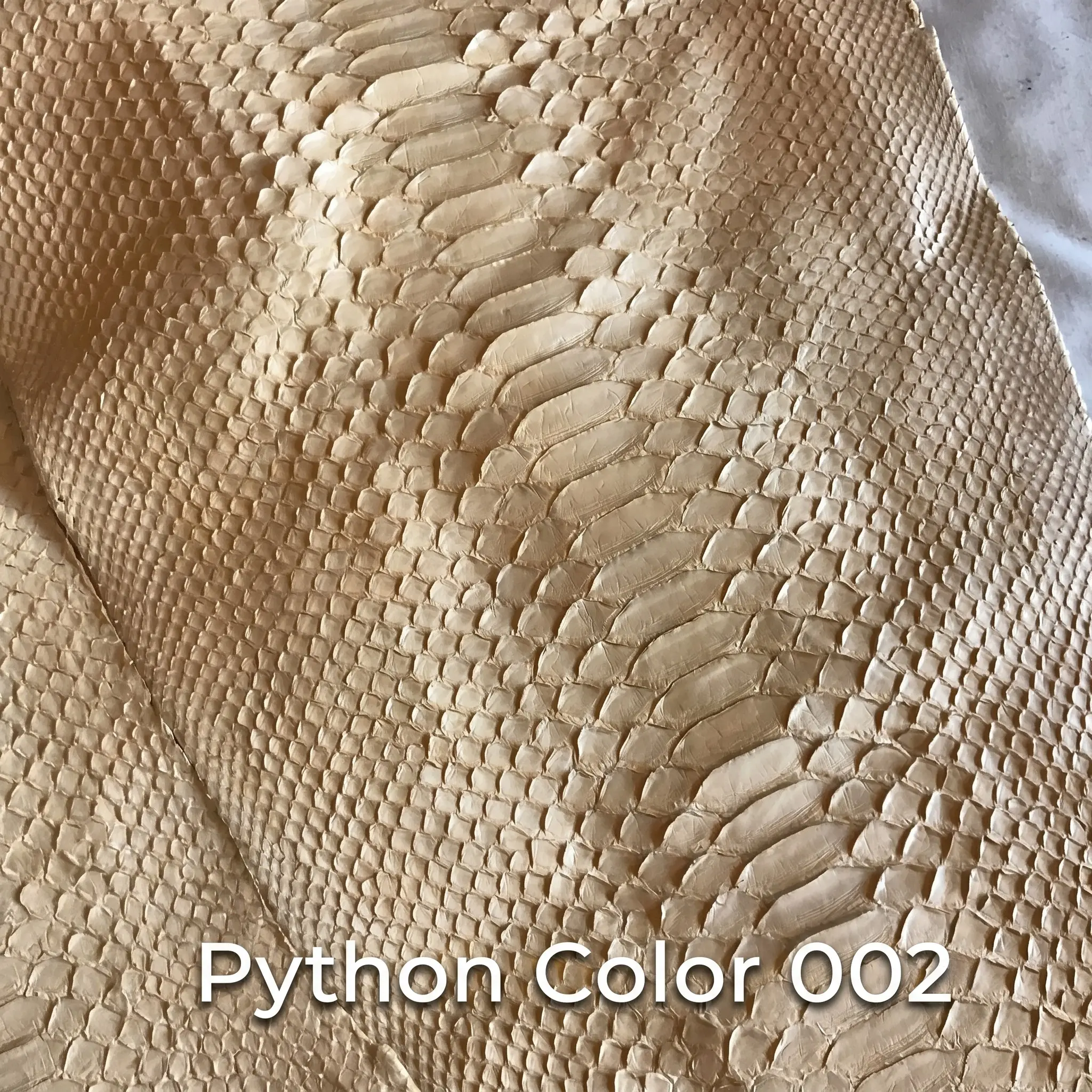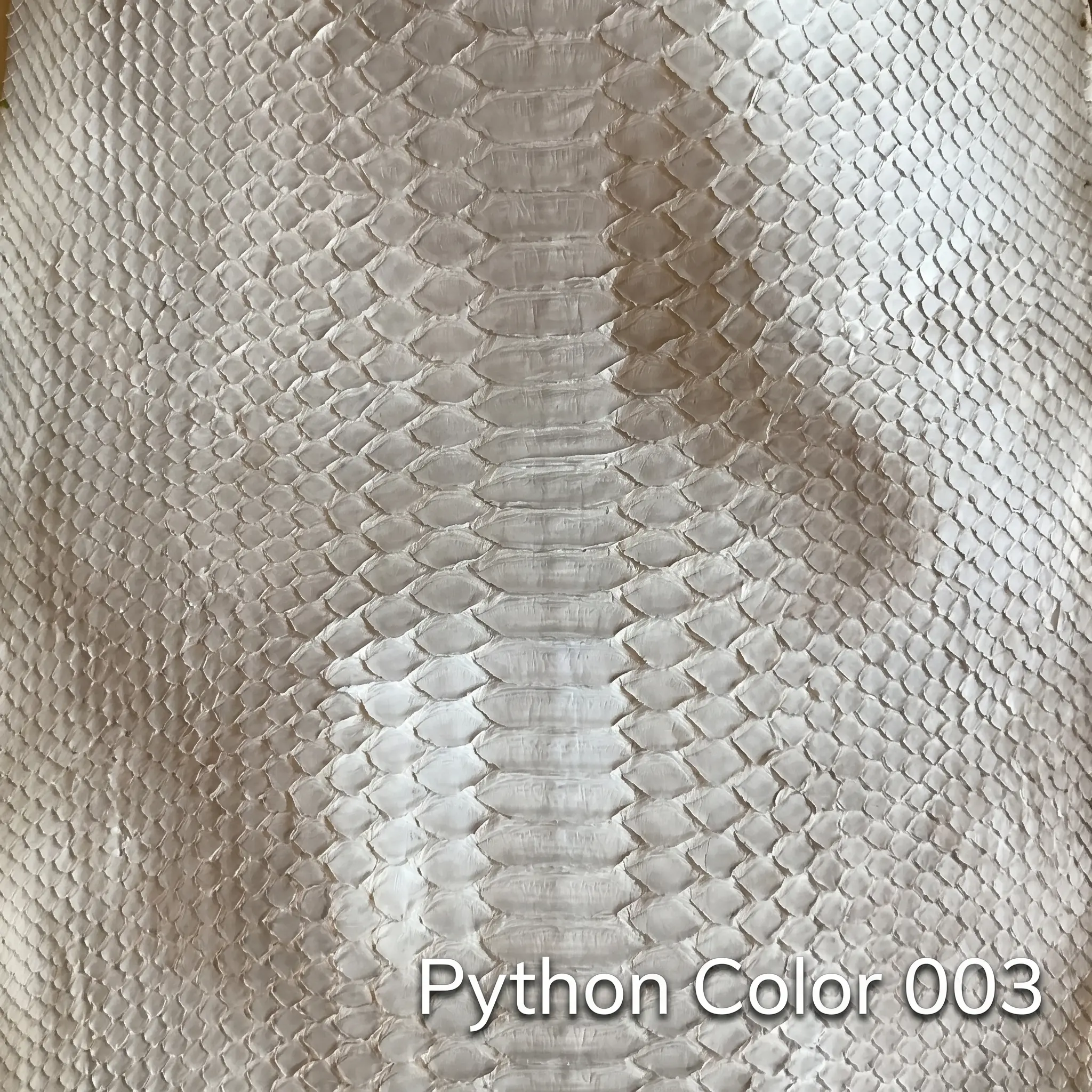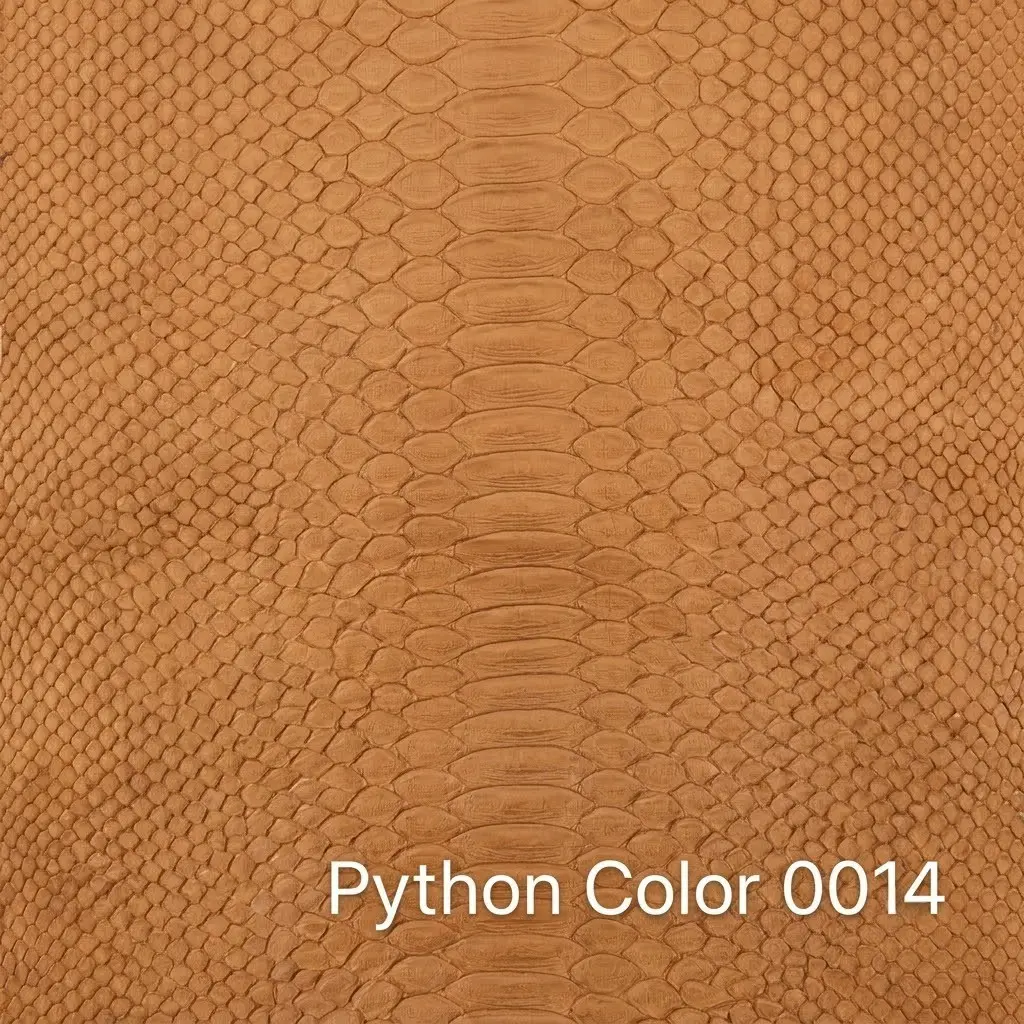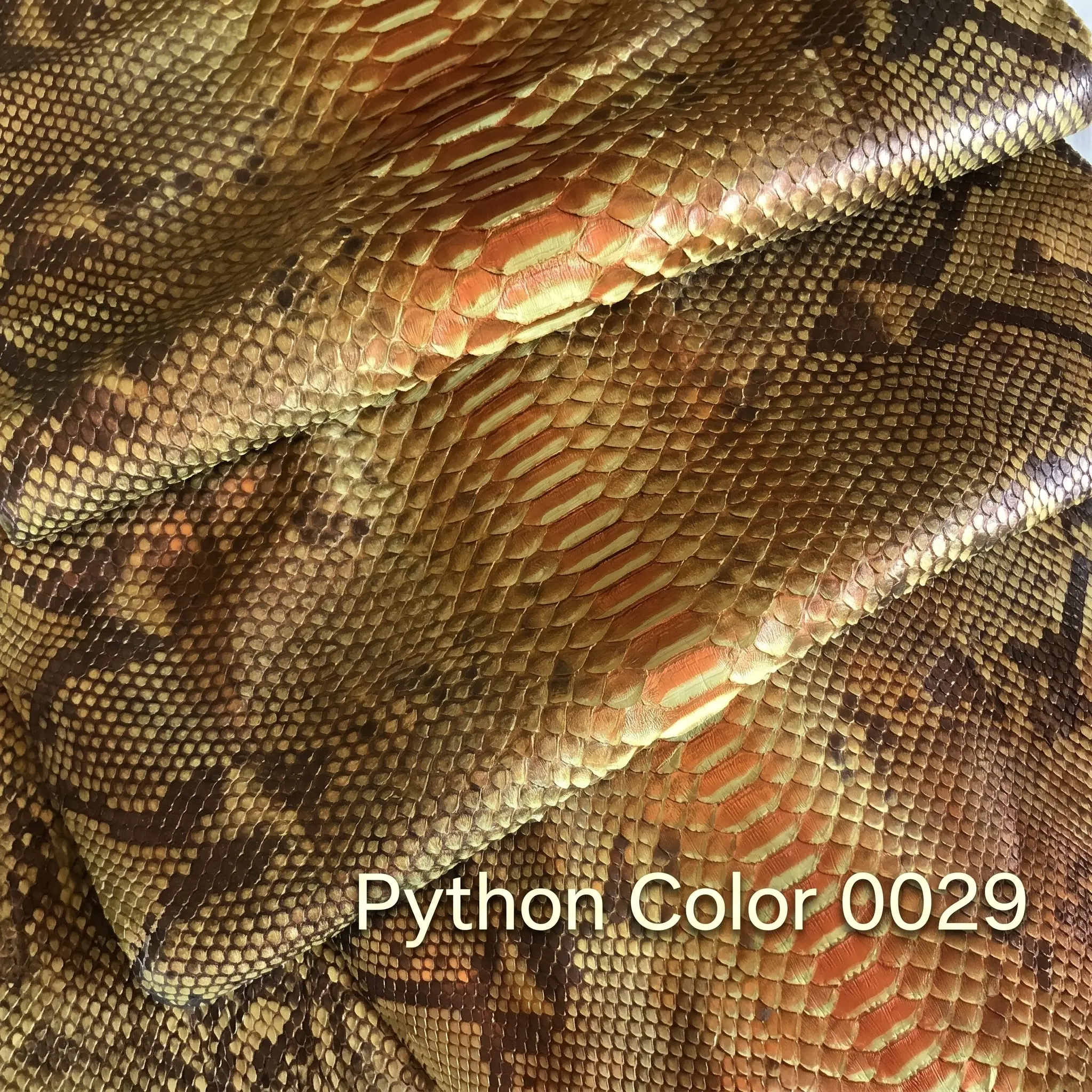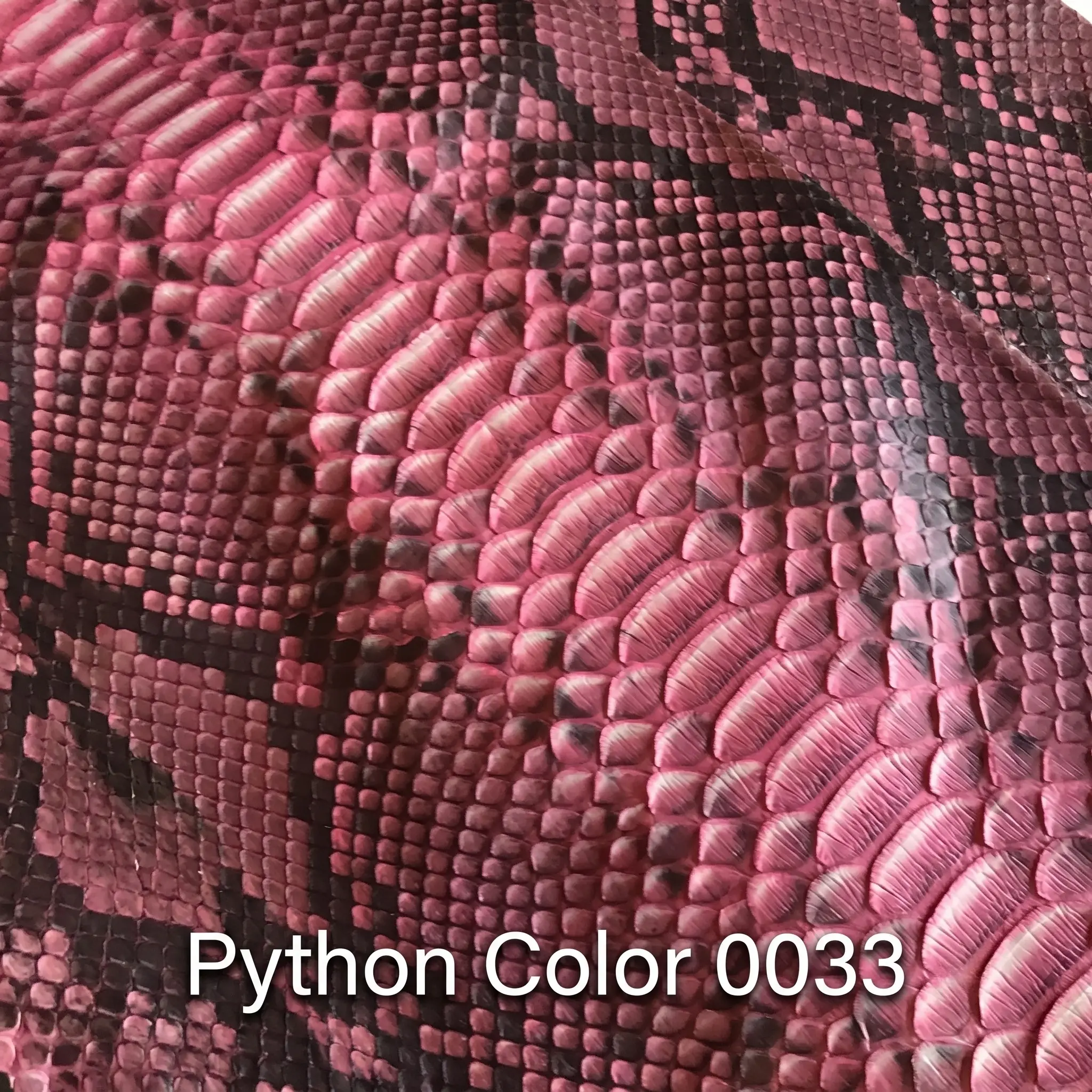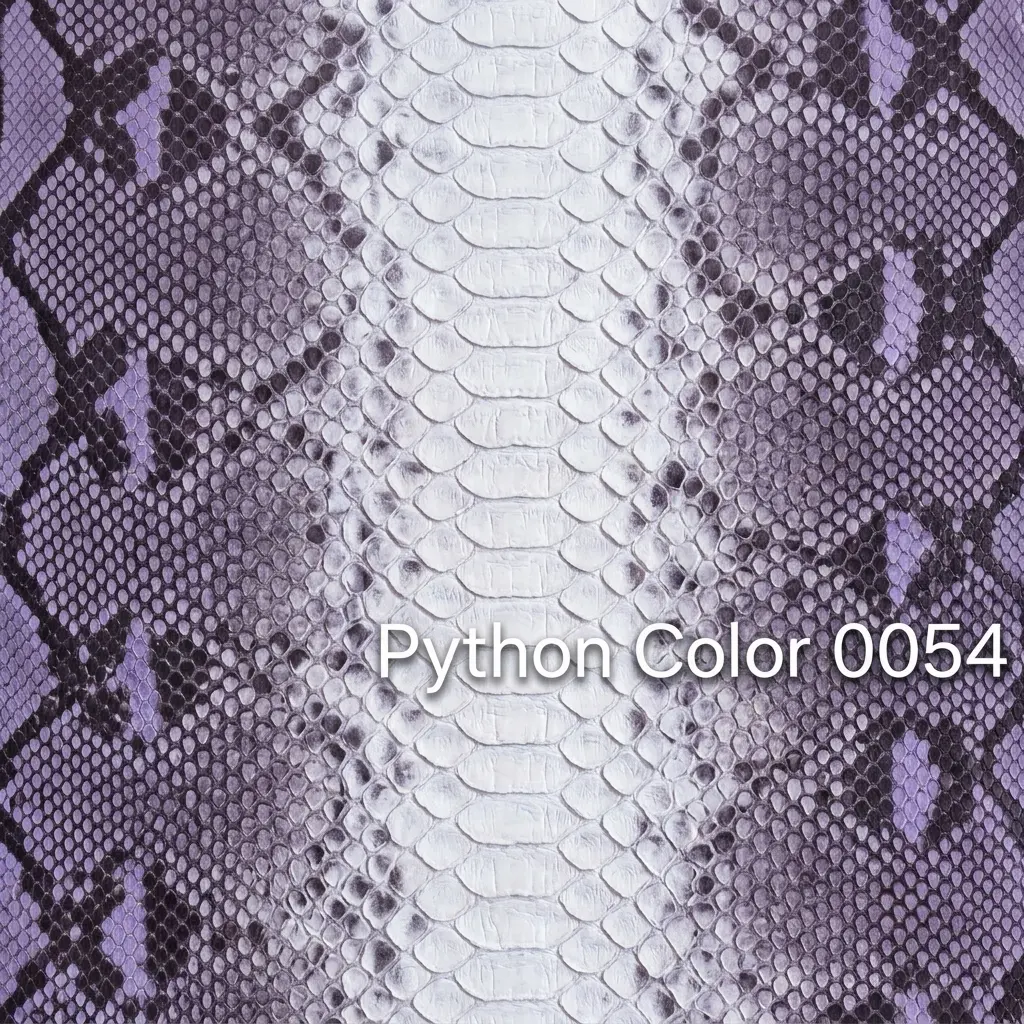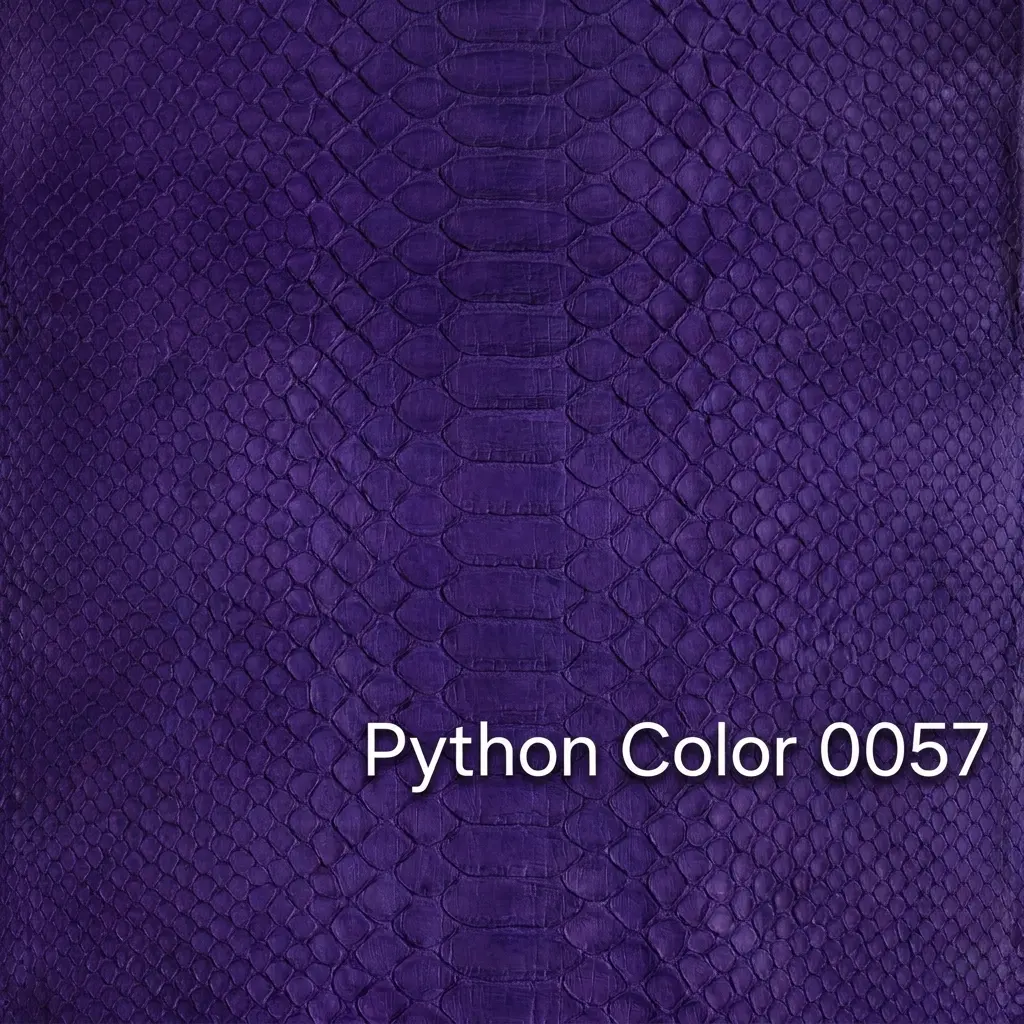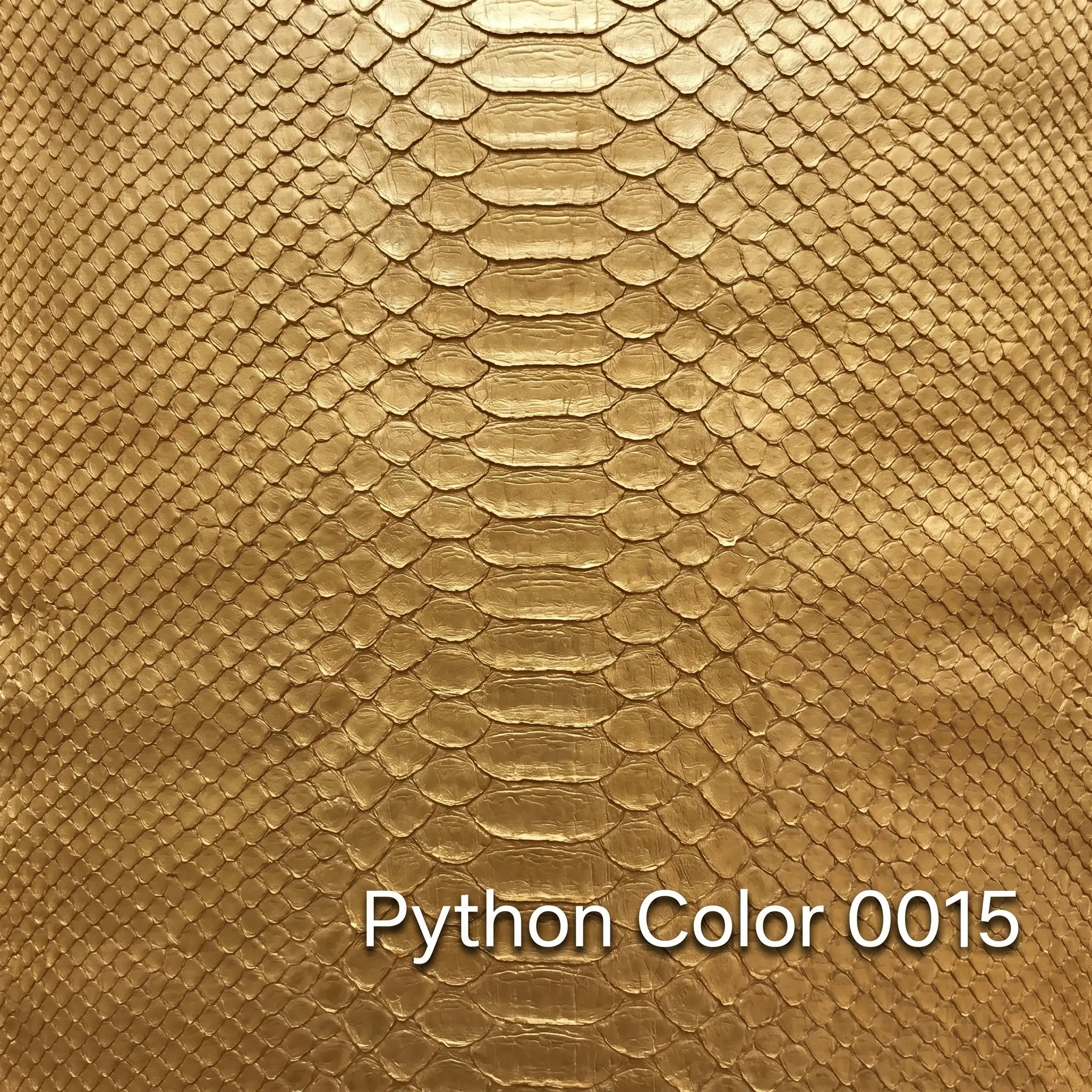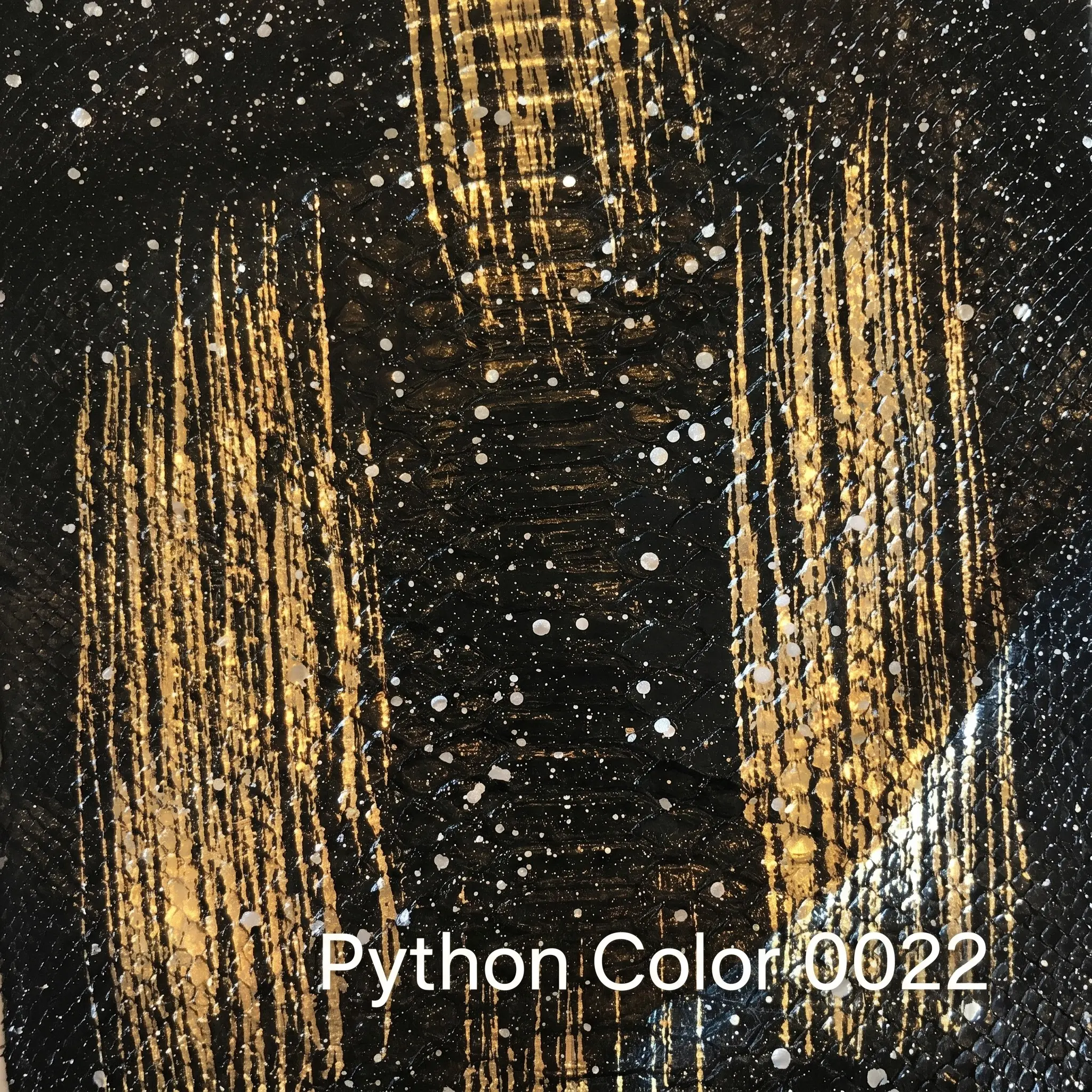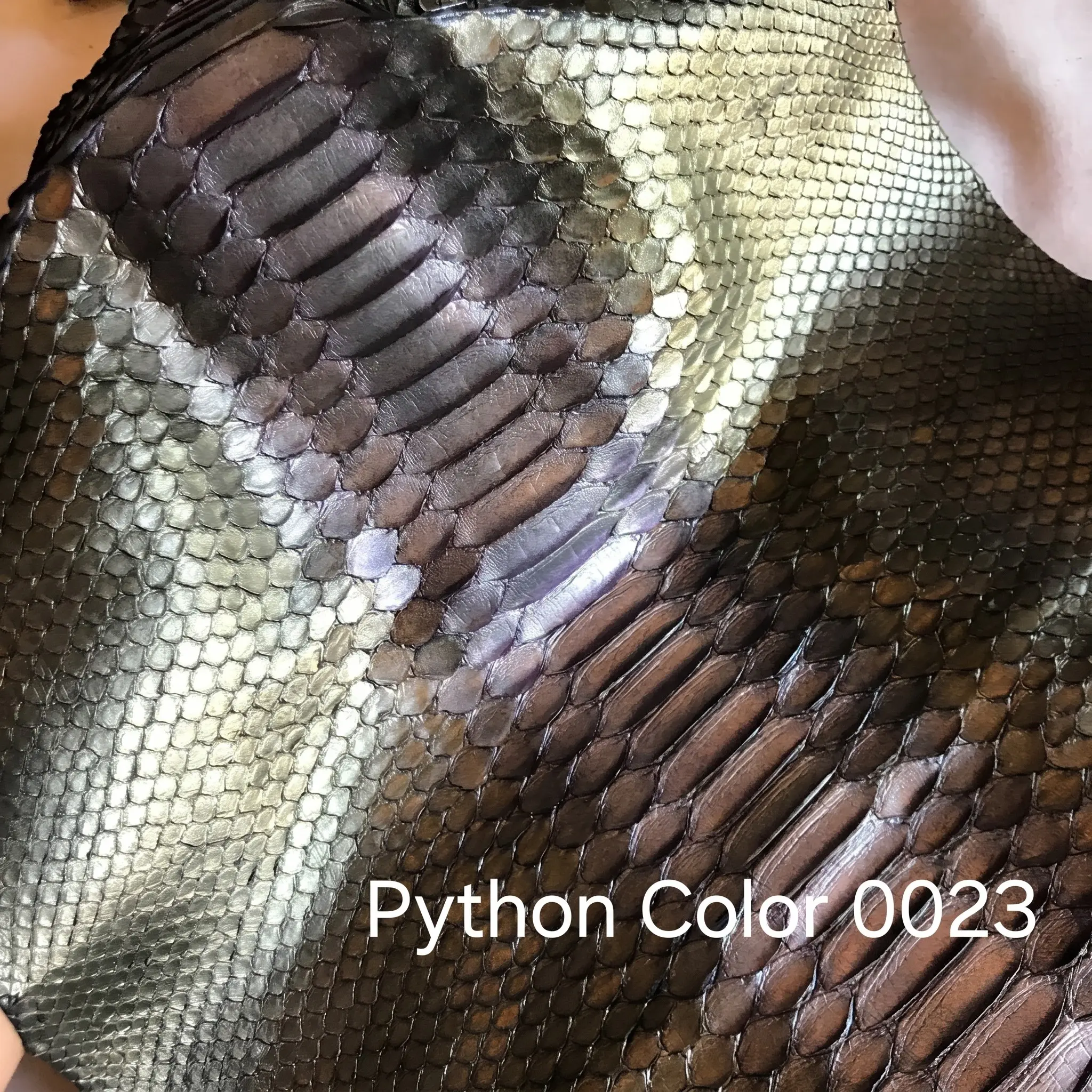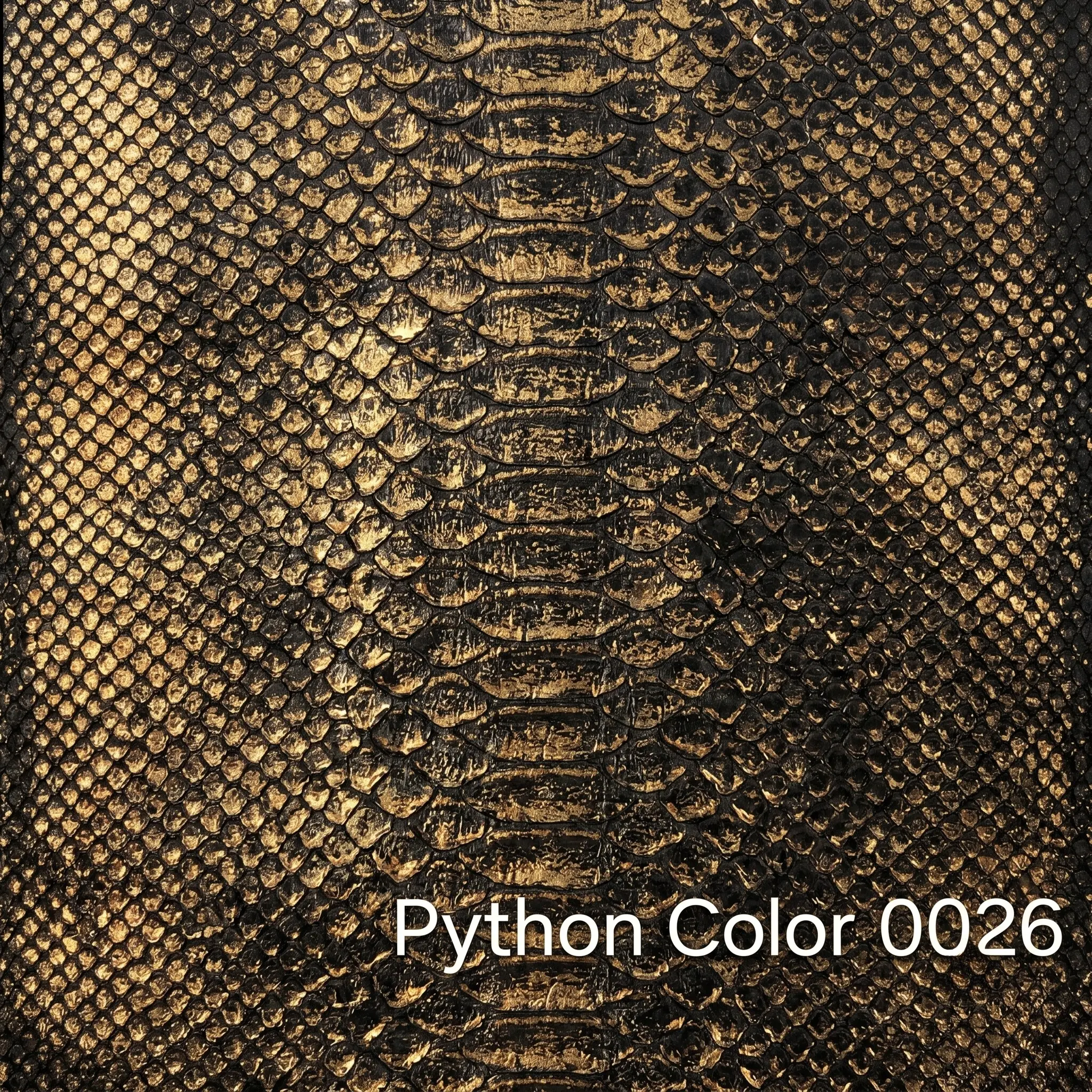
Alligator, crocodile, and Python are distinct exotic leather types with different scale patterns, textures, and visual character. Alligator belly leather is known for flatter, orderly scales; crocodile can range from smooth belly cuts to rugged hornback; and Python has overlapping, directional scales that create a more fluid pattern. The right choice depends on the look, product, and texture you prefer.
If you are comparing types of exotic leather, it helps to look beyond the material name.
Alligator, crocodile, and Python each have their own visual characteristics, and even the part of the hide used can dramatically change the finished appearance.
Understanding these differences makes it easier to determine which material suits a bag, wallet, belt, or accessory.
Alligator leather is especially recognized for the flatter, more regular-looking scales found on the belly.
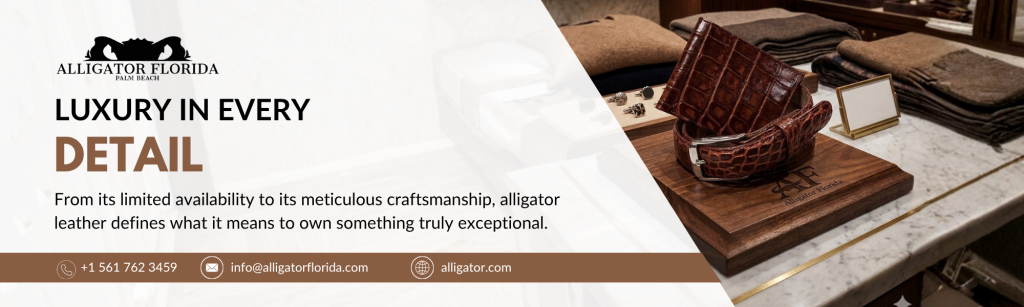
The alligator belly belt is a useful example. It uses authentic alligator belly leather, allowing the smooth, rectangular tile pattern to remain visible across a clean accessory. Mastering the core alligator vs crocodile leather traits helps clarify why belly cuts display such smooth scale geometry.
Alligator belly leather generally suits products where you want:
A structured piece such as the Palm Beach Clutch also shows how genuine alligator leather can bring noticeable texture to a larger surface while maintaining an elegant silhouette. For a closer look at how those characteristics appear in handbags, see what makes a genuine alligator handbag different, including natural scale variation, hide selection, scale placement, and overall construction.
Crocodile leather can produce very different looks depending on which part of the hide is used.
Belly crocodile has relatively flat scales. The bifold crocodile wallet belly demonstrates this cleaner pattern on a compact accessory, while the Saint Mary Himalayan crocodile bag shows how genuine crocodile leather can create a highly polished, structured handbag. Its appearance also comes from a distinctive finish rather than the bag shape alone. See why Himalayan crocodile leather looks different and what contributes to its premium positioning.
Hornback crocodile looks very different.
The crocodile hornback belt preserves the more pronounced ridges and scale structures from the animal’s back, giving it a rugged, dimensional character.
That contrast is important: two genuine crocodile products may look dramatically different because of the hide section used—not because one is necessarily more authentic or higher quality than the other. When comparing handbags, the hide section is only one factor to consider. Our crocodile bag buying guide covers what to look for in the leather, craftsmanship, structure, hardware, and overall construction before choosing a genuine crocodile bag.
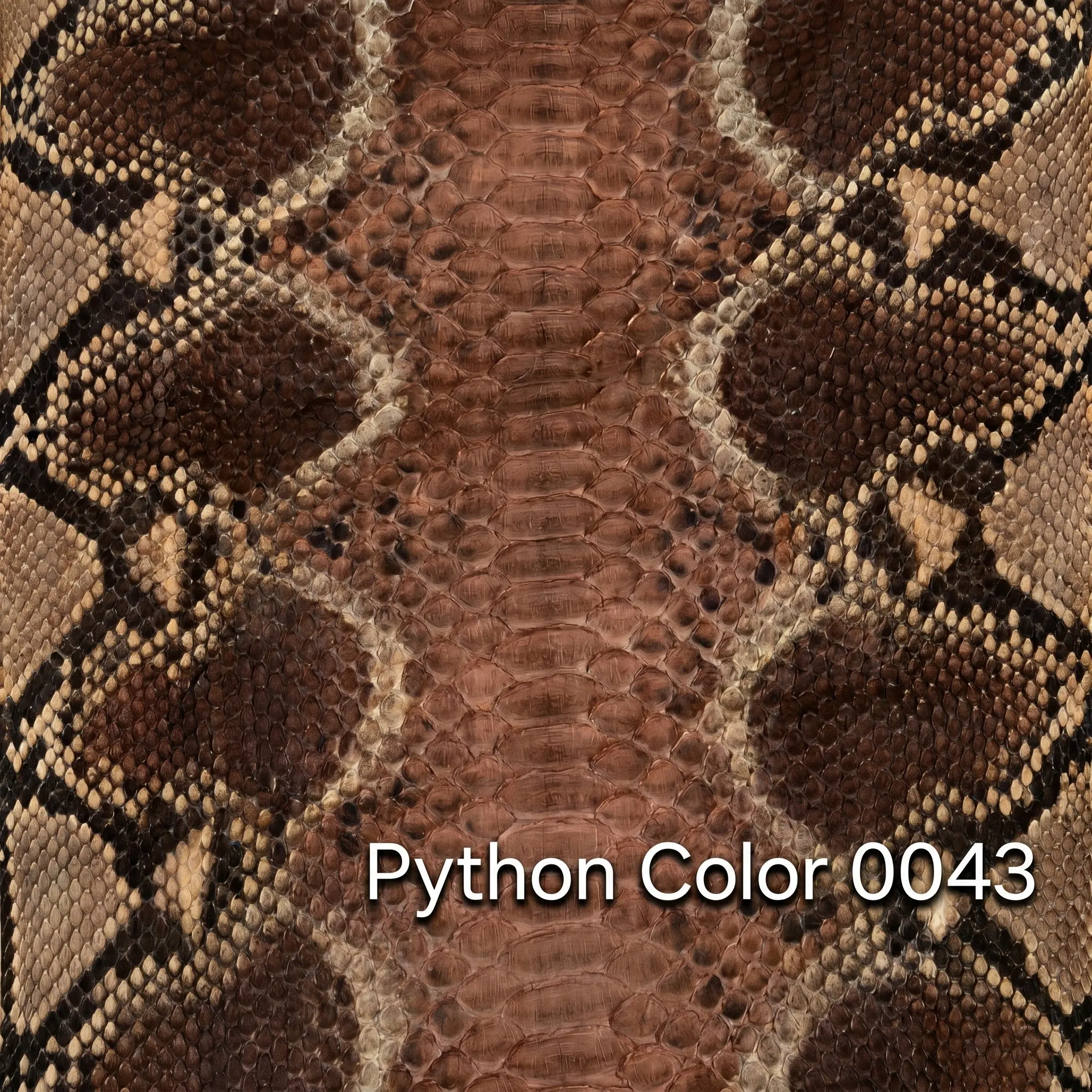
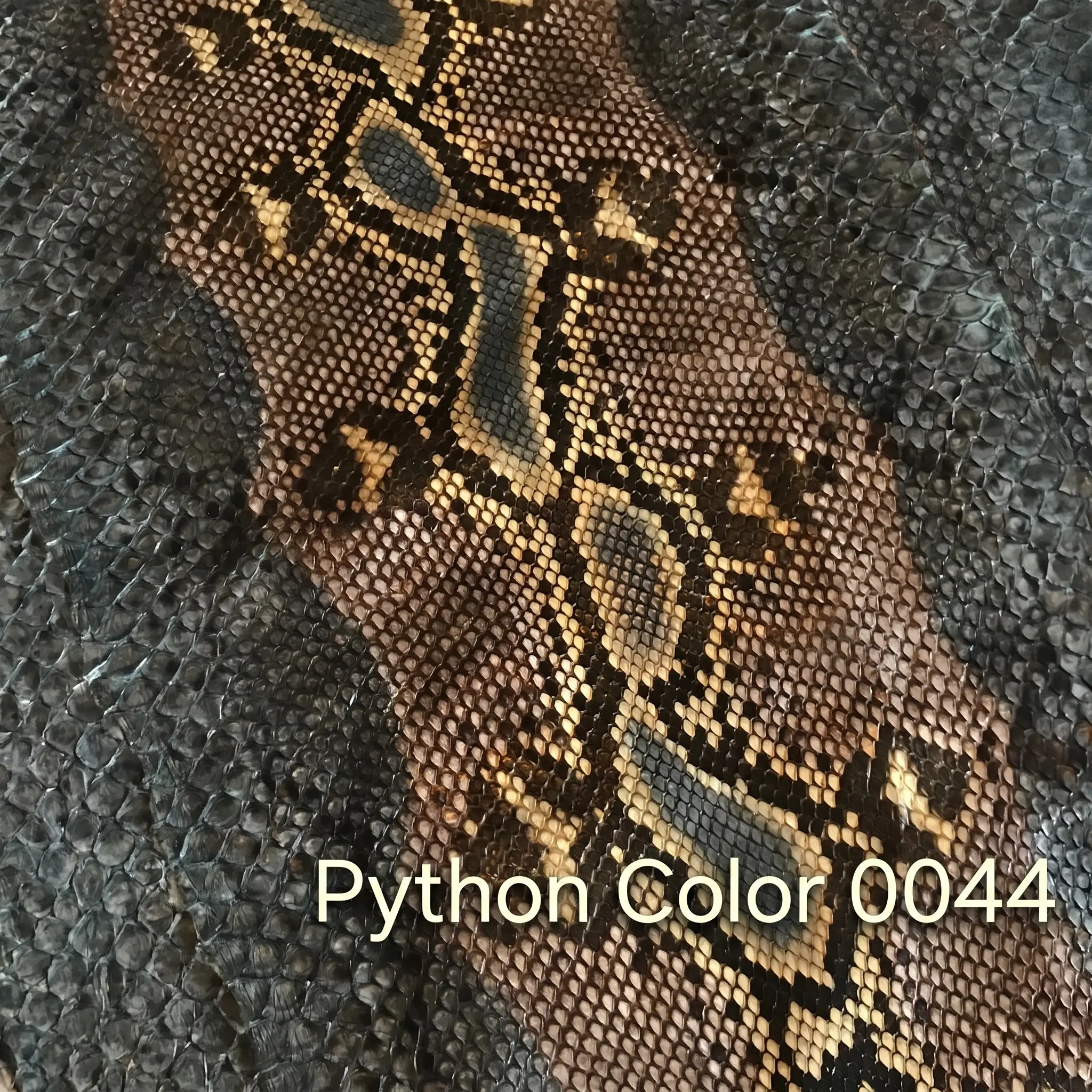
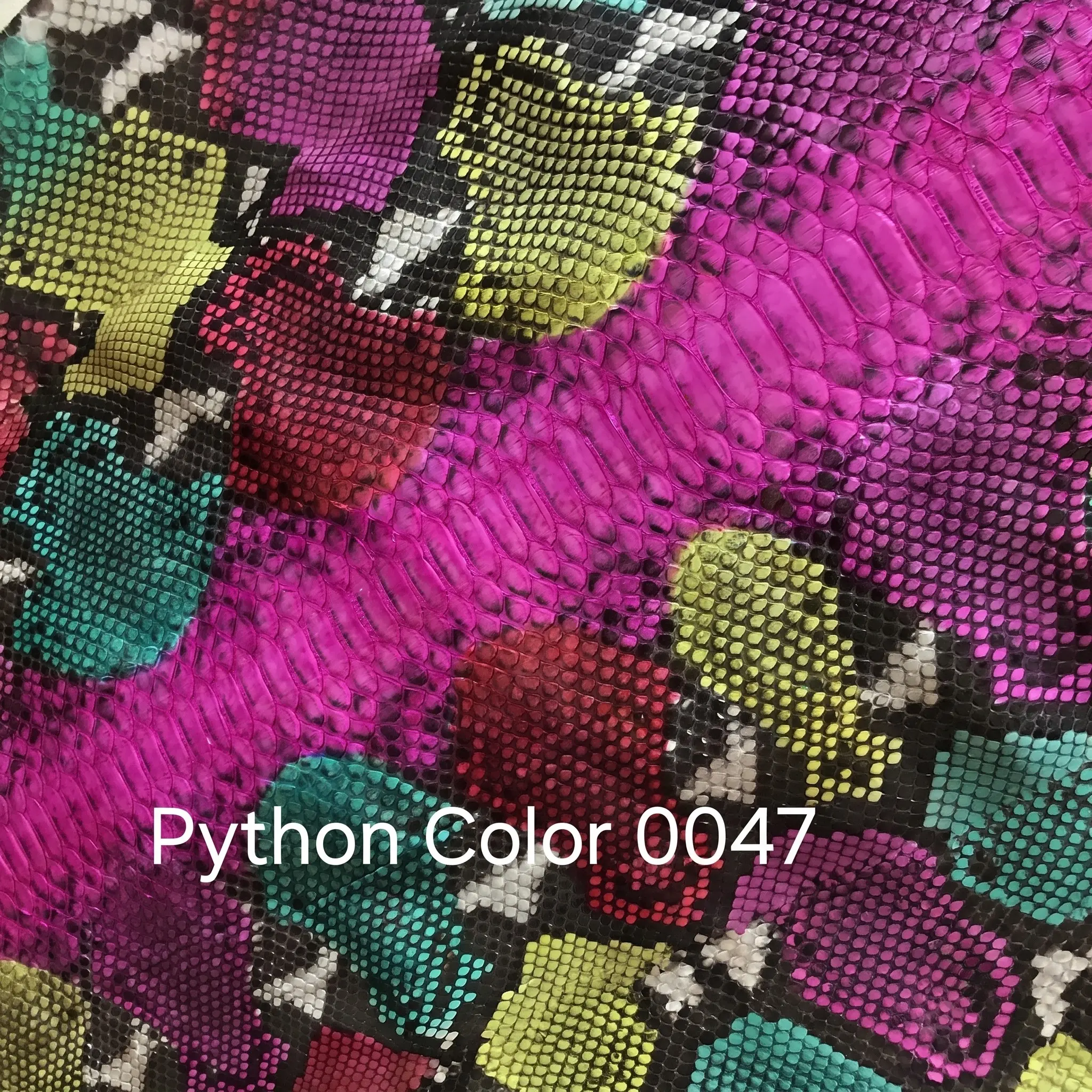
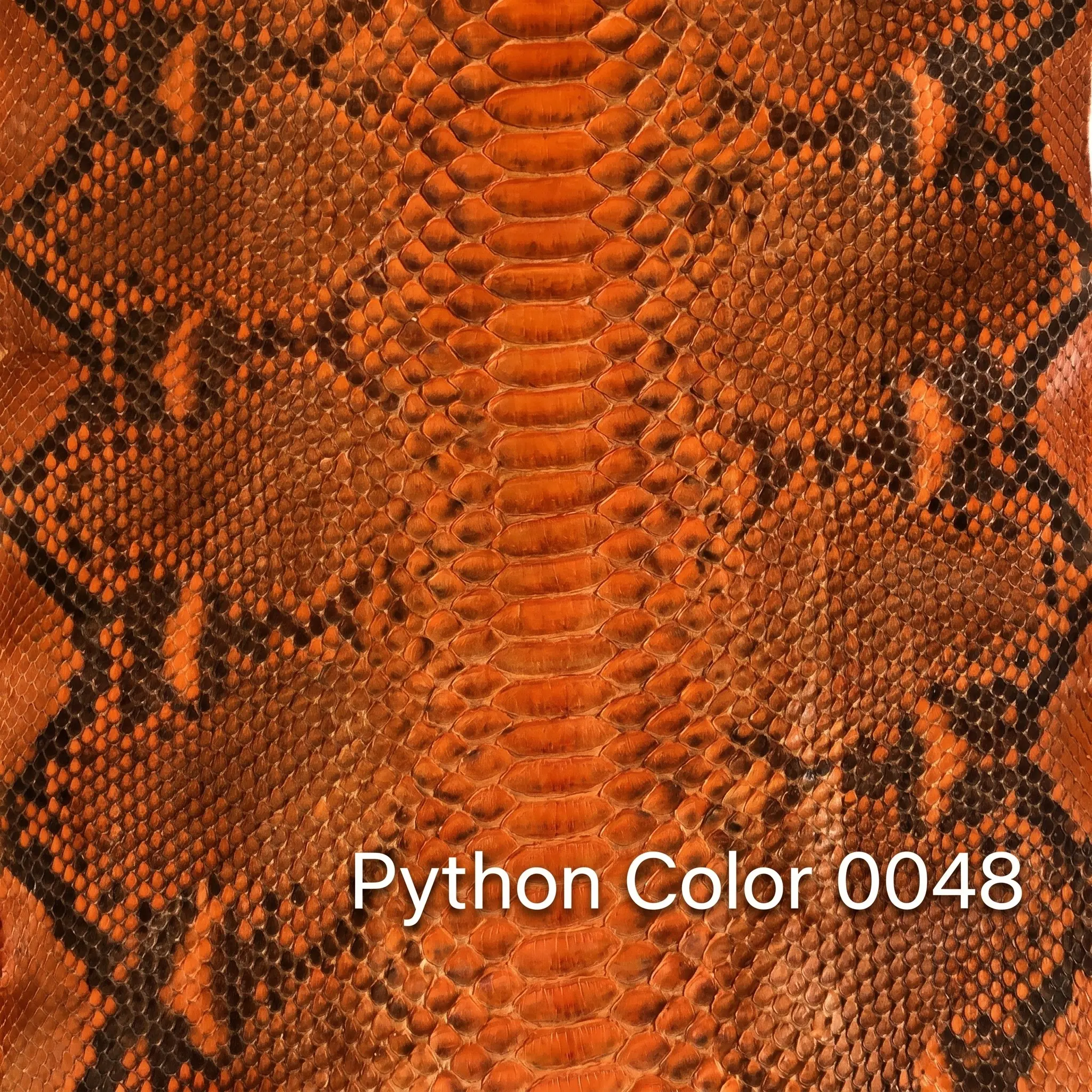
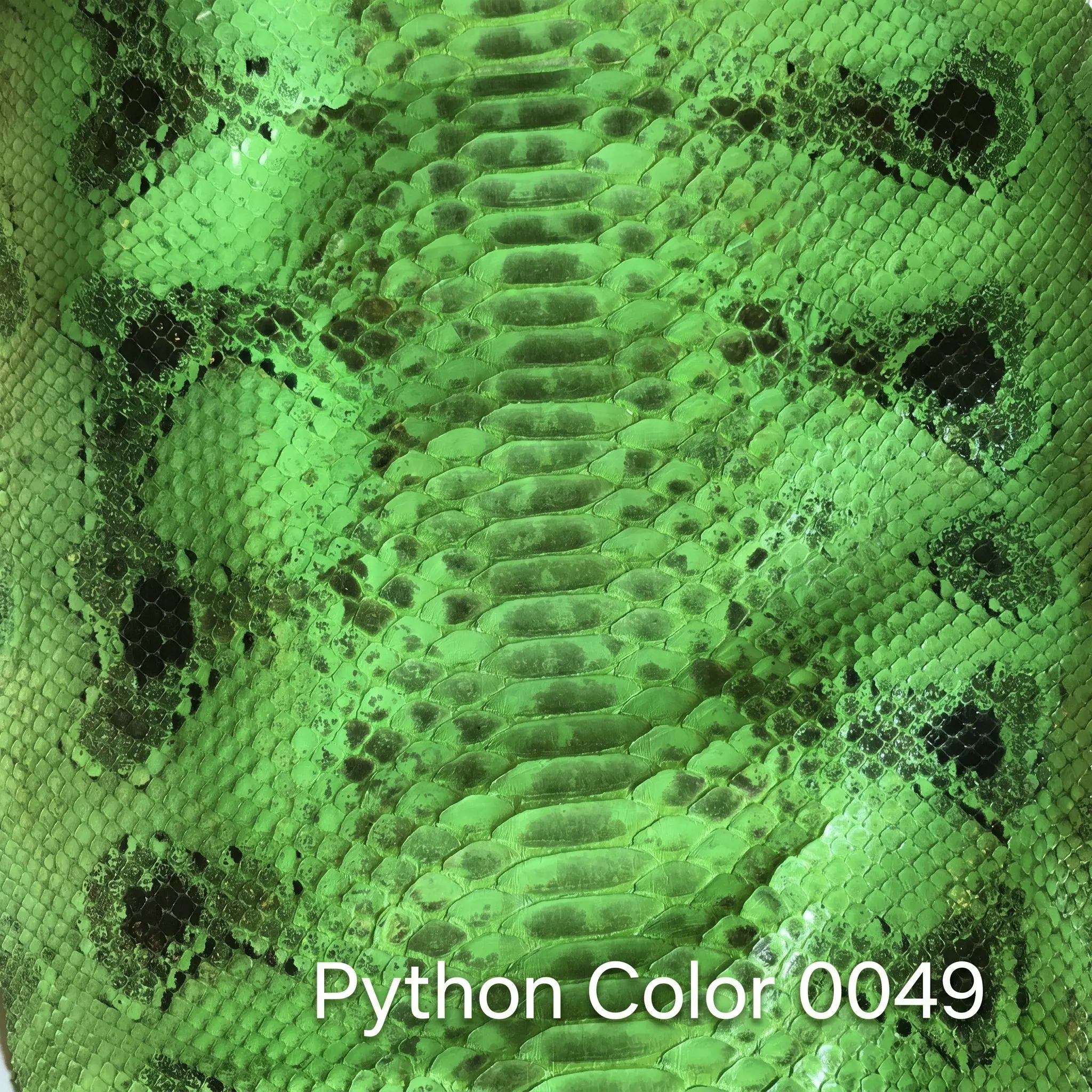
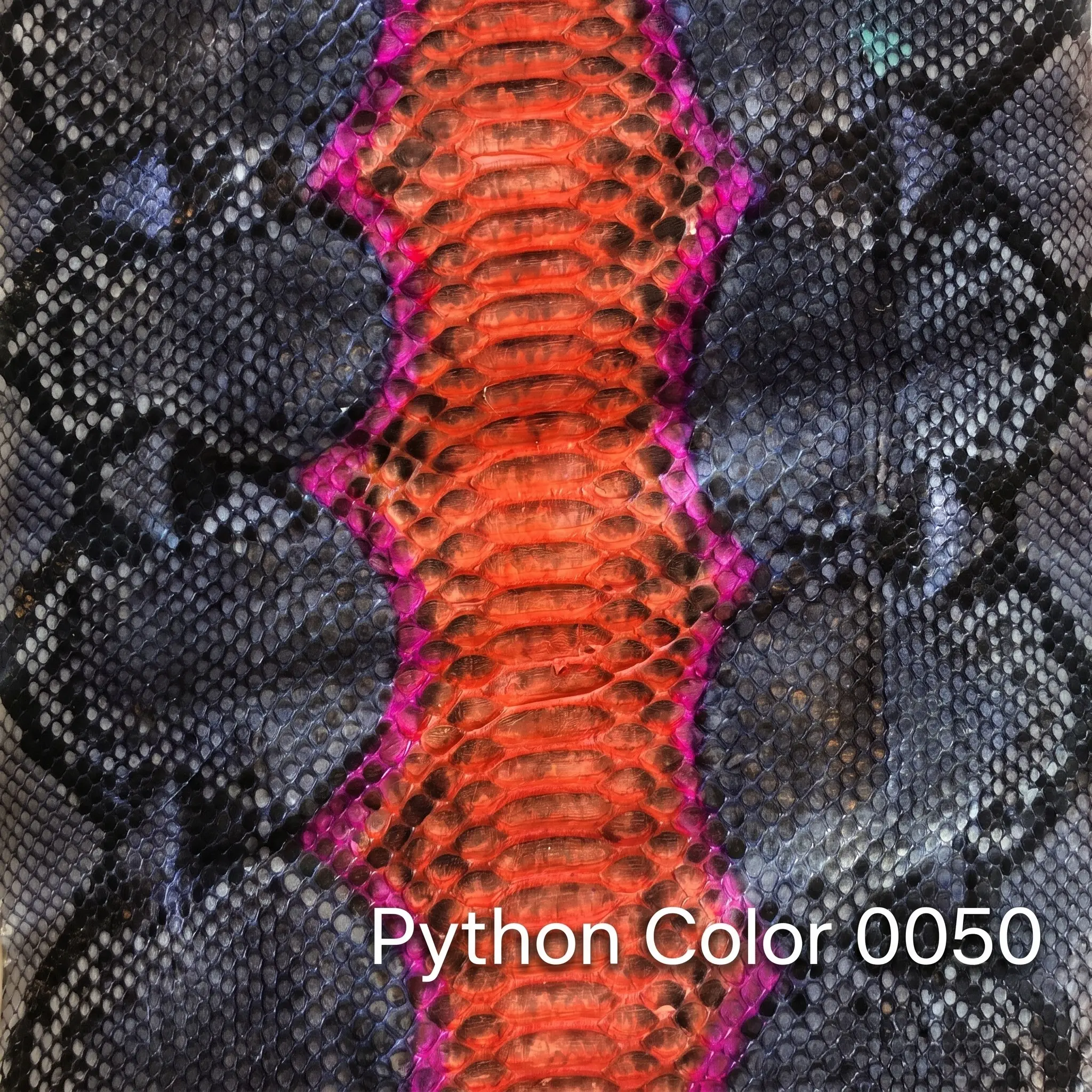
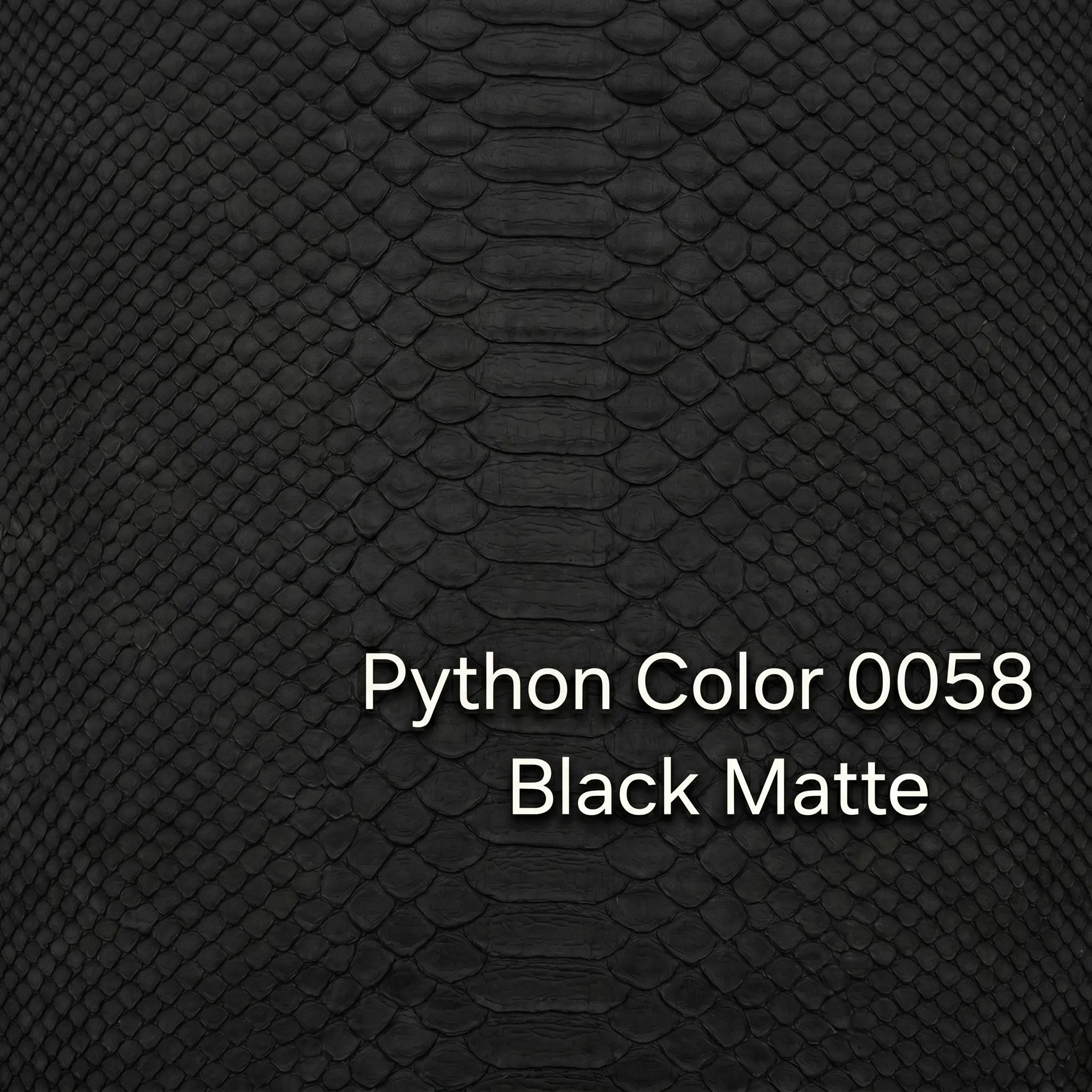
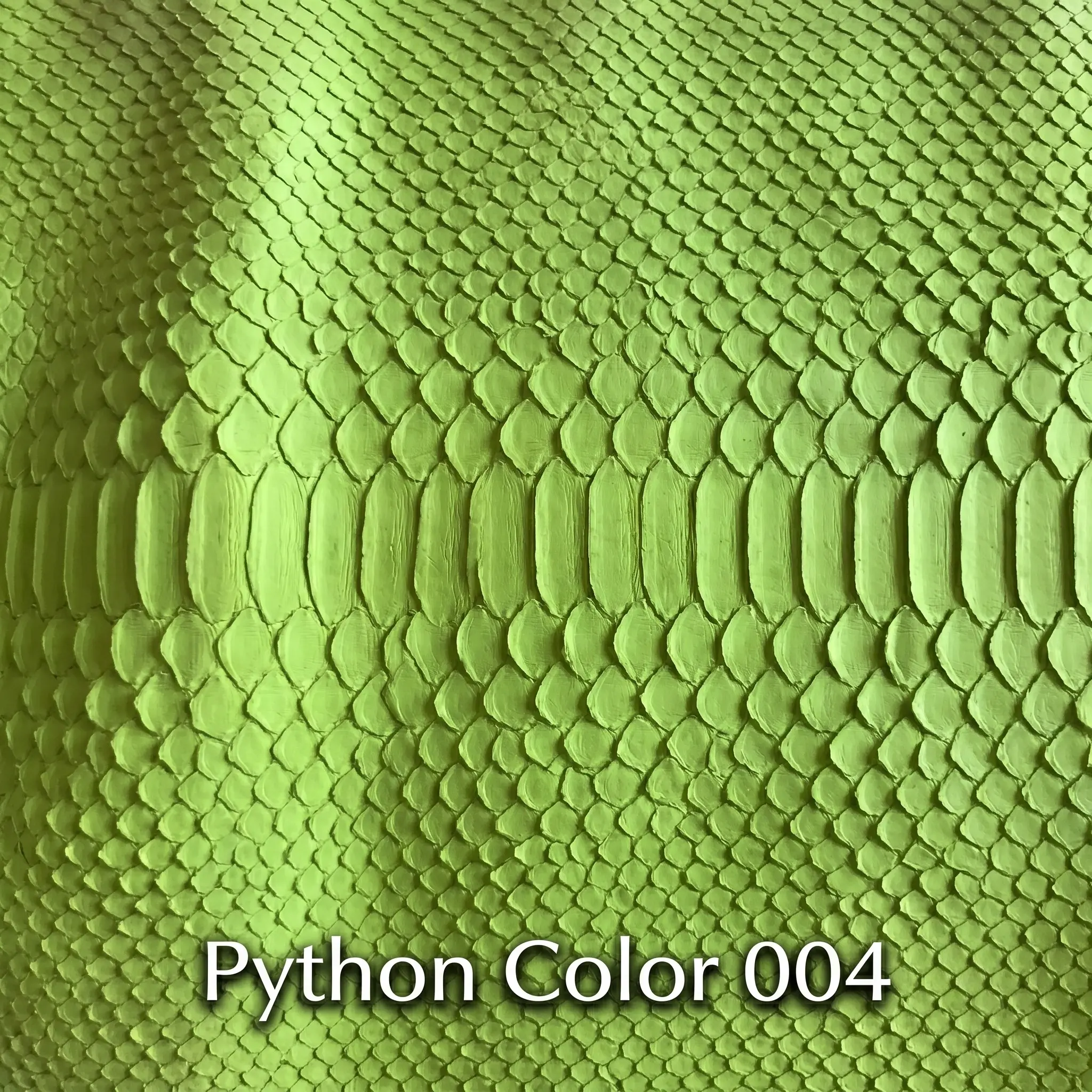
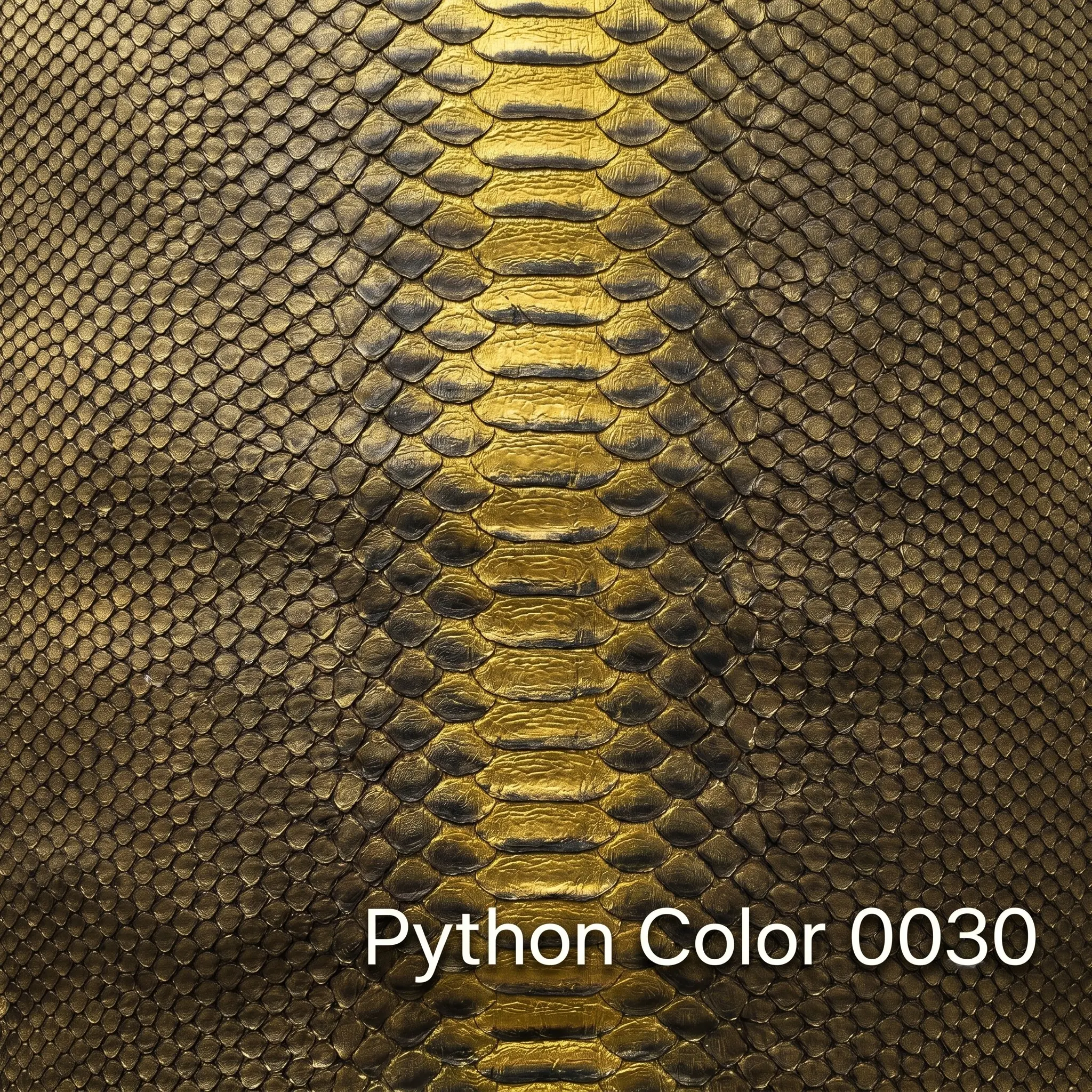
Python is easier to distinguish visually from crocodilian leather.
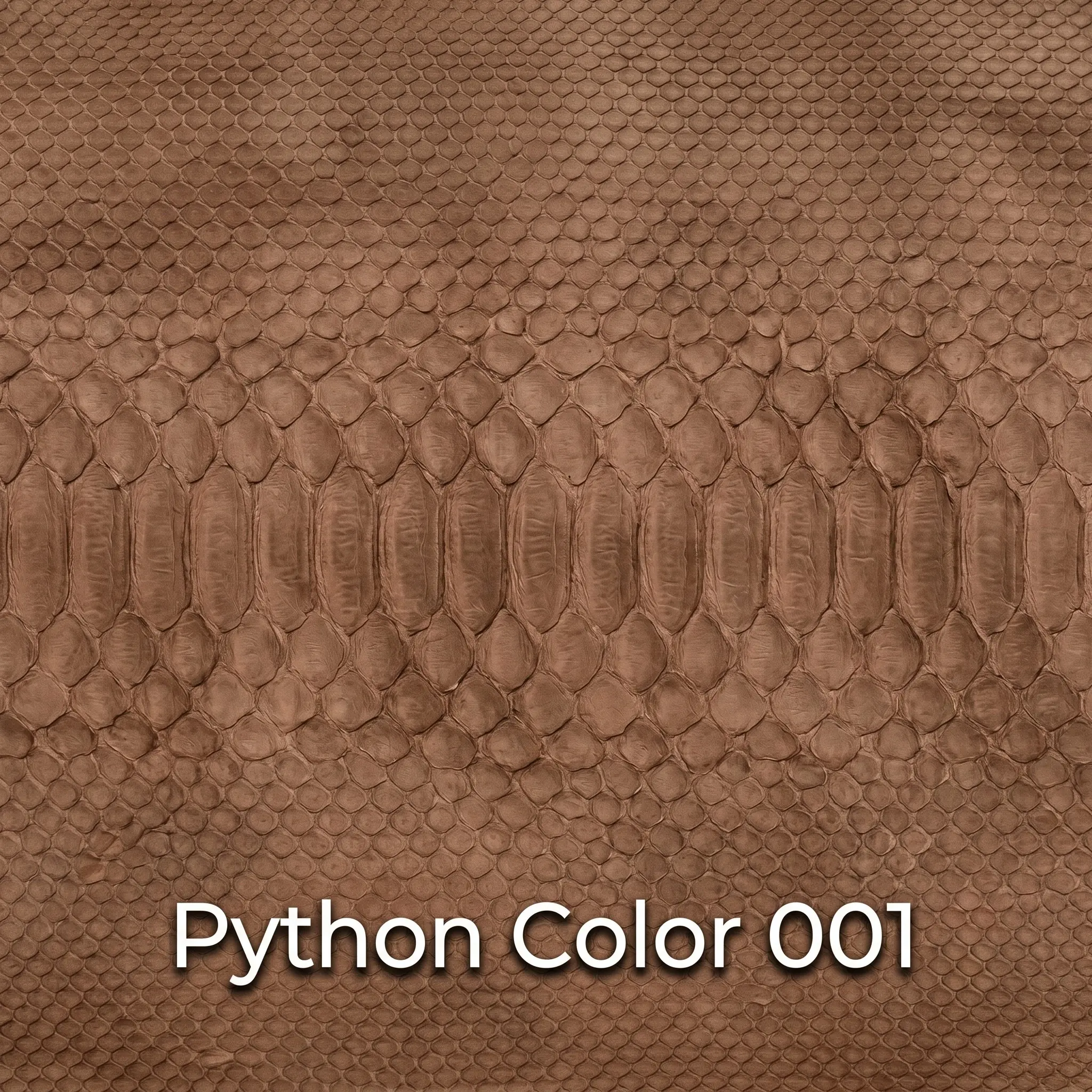
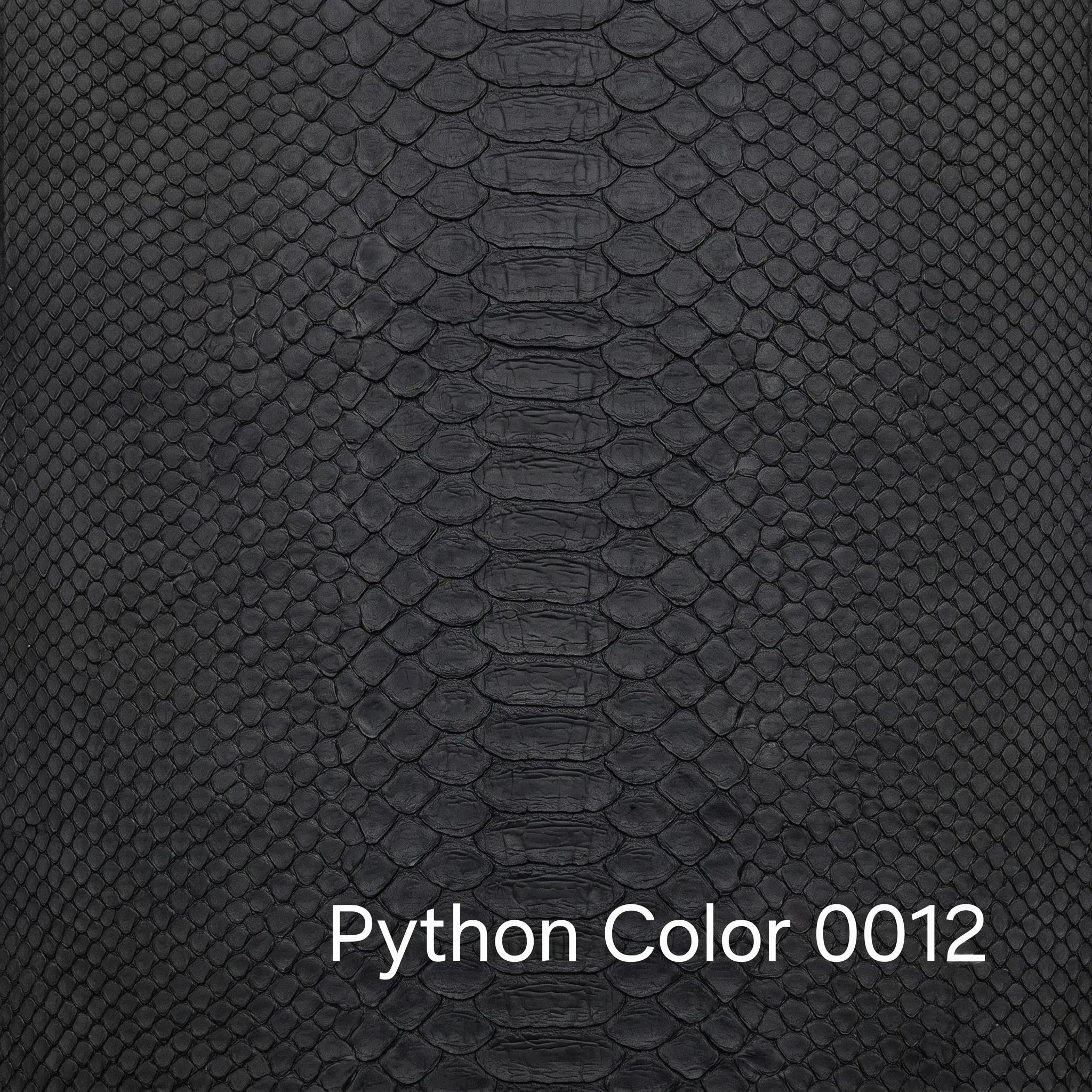
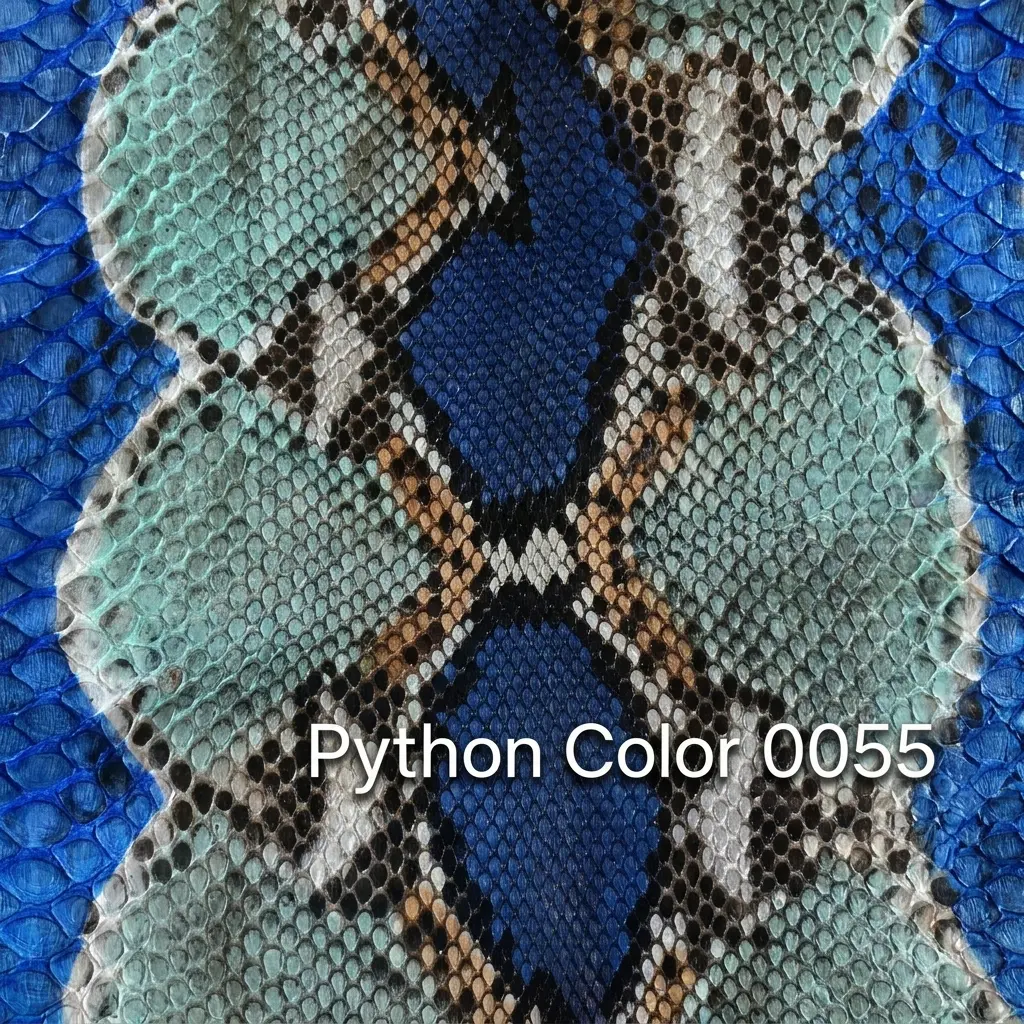
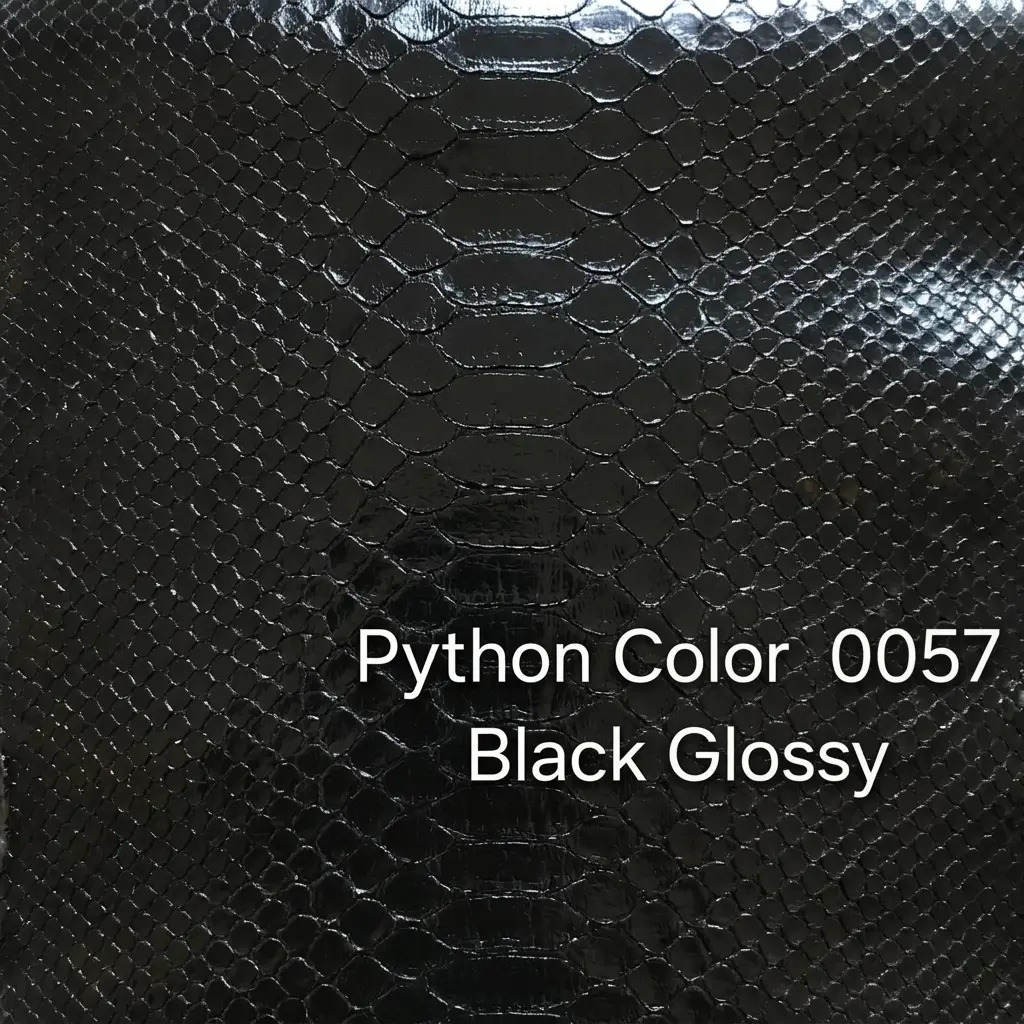
Its overlapping scales create a longer, more directional pattern rather than the broader tile-like scales associated with alligator and crocodile. Exploring a detailed buyer guide to genuine python skin reveals how these overlapping scales hold different finishes and colors.
Python can also look remarkably different depending on the product and finish:
These examples show why Python leather can take on very different personalities depending on color, finish, scale placement, and product design. If Python is the material you prefer for a handbag, see how to choose the right Python bag based on style, size, finish, and how you plan to use it.
|
Material |
Typical Scale Look |
Texture Range |
Often Seen In |
|
Alligator |
Flatter crocodilian tiles, especially on belly cuts |
Smooth to moderately textured |
Belts, clutches, structured accessories |
|
Crocodile |
Crocodilian scales with belly or raised hornback options |
Smooth to highly dimensional |
Bags, wallets, belts |
|
Python |
Overlapping, directional scales |
Fluid and visually expressive |
Bags, wallets, fashion accessories |
Choose based on the finished look you want rather than assuming one exotic leather is automatically better.
Choose alligator if you prefer refined crocodilian scales and a polished appearance. If you are considering that look in footwear, our guide to men’s alligator shoes explains the main styles, fit considerations, and craftsmanship details that help distinguish a luxury pair.
Choose crocodile if you like having the option between smooth belly texture and a more dramatic hornback look.
Choose Python if you want the natural scale pattern itself to become a stronger visual feature.
Also consider the hide section, finish, construction, scale placement, color, and intended use. Those details can influence the finished piece just as much as the species. If crocodile is your preferred material for a handbag, the next decision is often the silhouette itself. Our comparison of crocodile tote, crossbody, and top-handle bags explains how each style differs in capacity, carrying convenience, and everyday use.
Learning the differences between these exotic leather types gives you a better way to evaluate a piece before buying.
Alligator belly offers refined scale geometry, crocodile can range from smooth belly leather to pronounced hornback, and Python provides a distinctly flowing pattern. Seeing those materials across actual bags, wallets, belts, and accessories makes those differences much easier to recognize. Browse our collection of genuine alligator, crocodile, and python leather goods here.
1. Are alligator and crocodile leather the same?
No. They come from different crocodilian species and have anatomical differences. Their appearance can also vary depending on the hide section, cut, tanning, and finish.
2. What is the difference between crocodile belly and hornback leather?
Crocodile belly leather has flatter, smoother scales, while hornback leather retains the raised ridges and pronounced scale structures from the animal’s back.
3. Which is better: alligator, crocodile, or Python leather?
There is no universally better material. The right choice depends on the scale pattern, texture, finish, product type, and overall appearance you prefer.
4. Is Python leather easy to distinguish from crocodile leather?
Usually, yes. Python has overlapping, directional scales, while crocodilian leathers generally have broader, tile-like scale structures.
5. Can the same exotic leather look different across products?
Absolutely. Hide section, scale placement, finish, color, construction, and product shape can all significantly change how the same leather type appears.