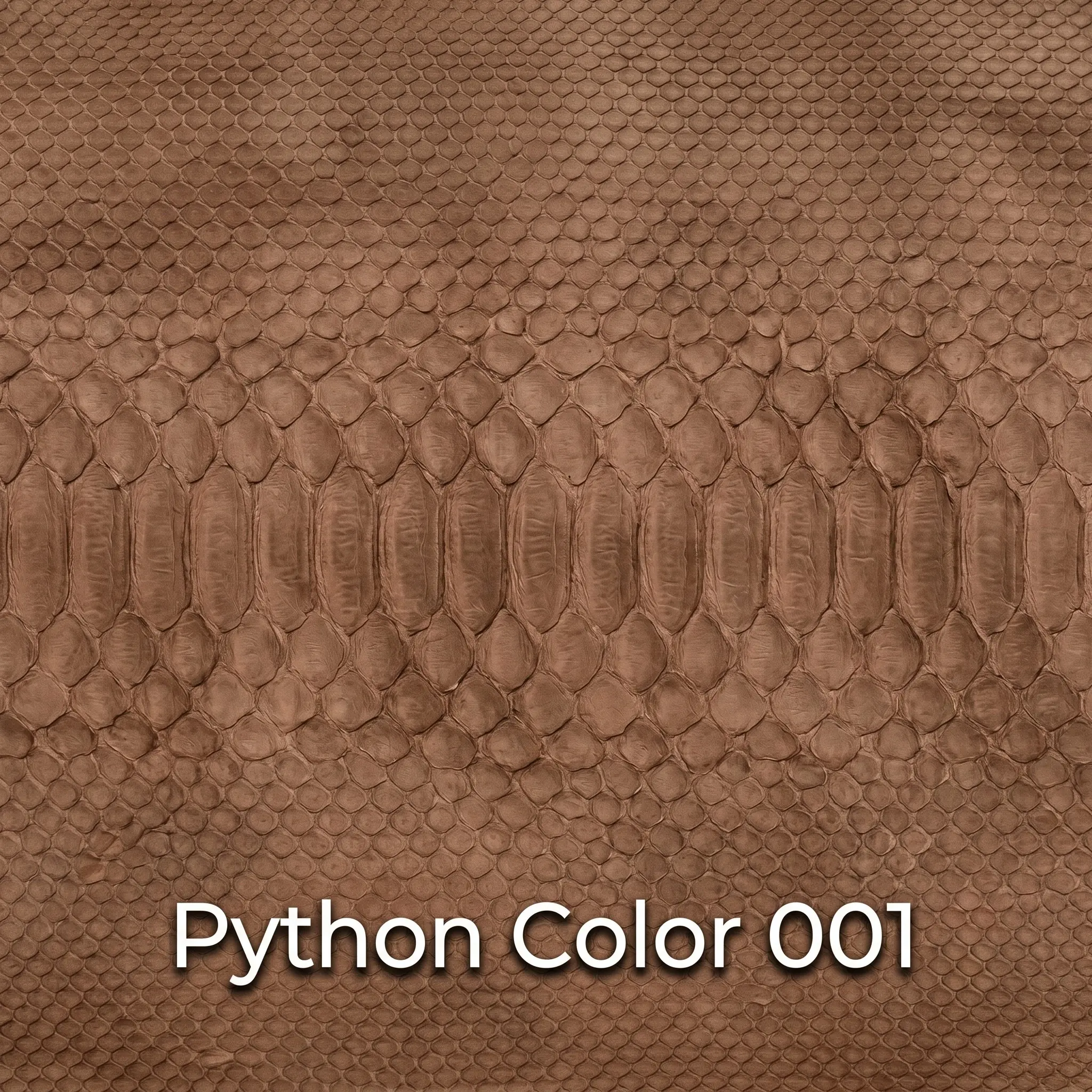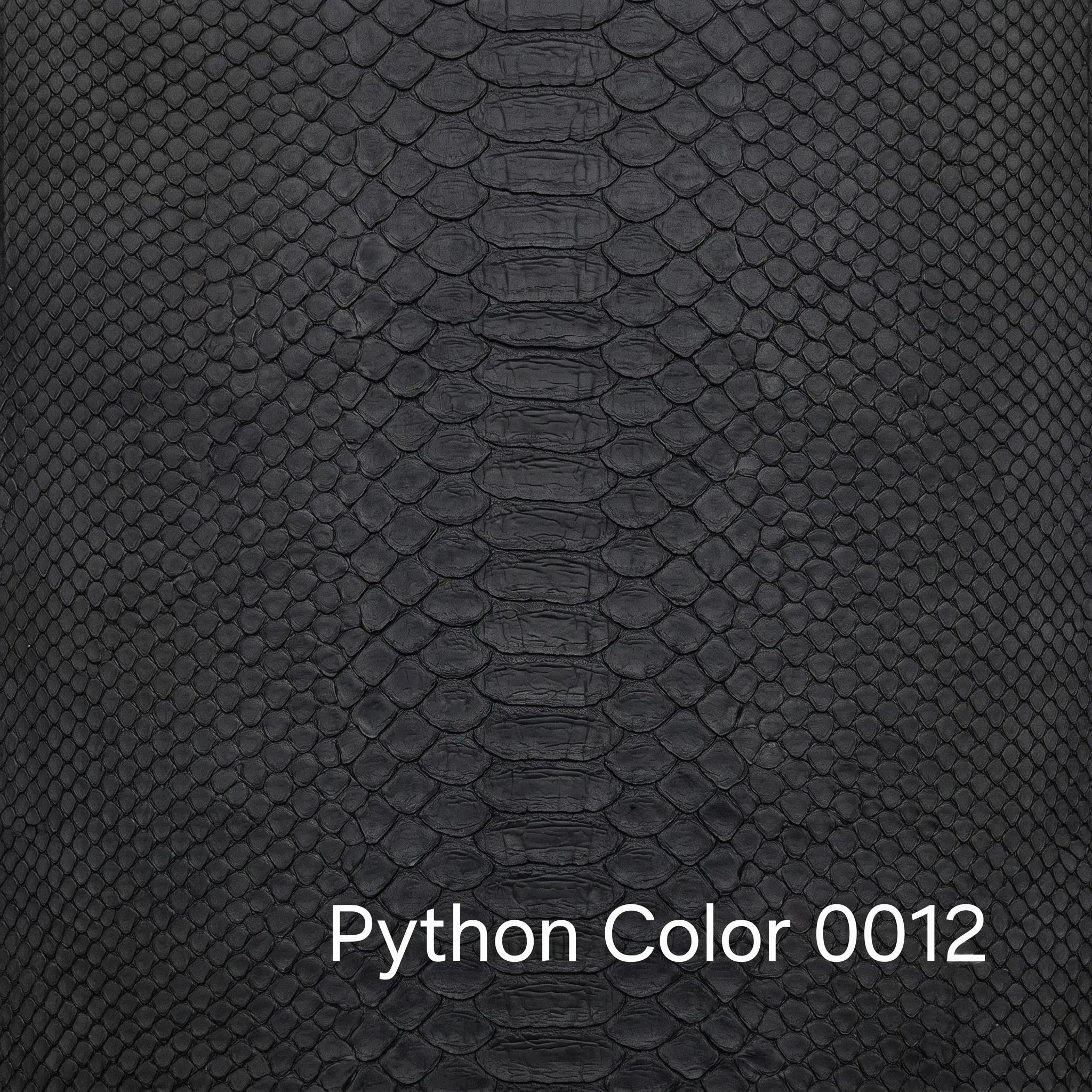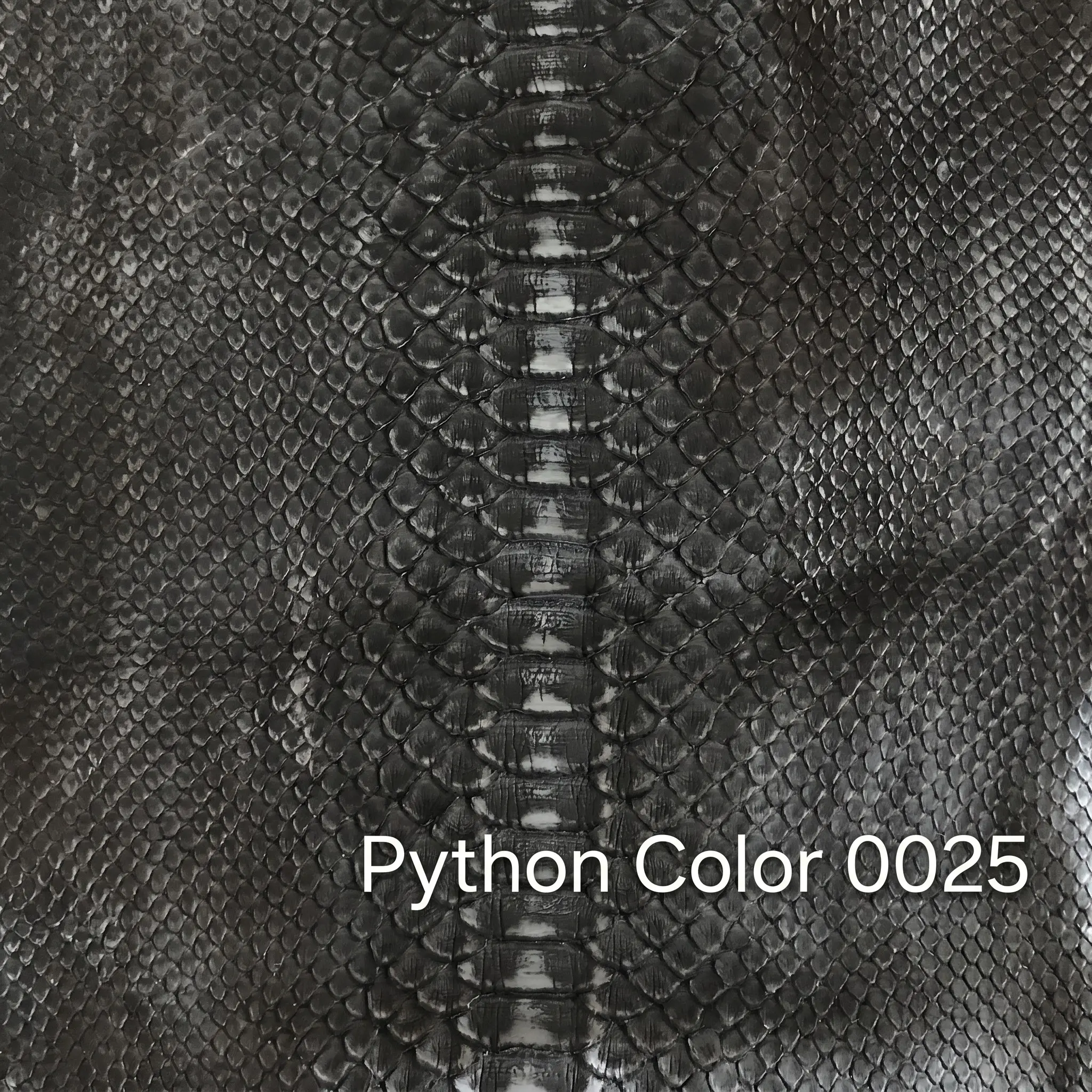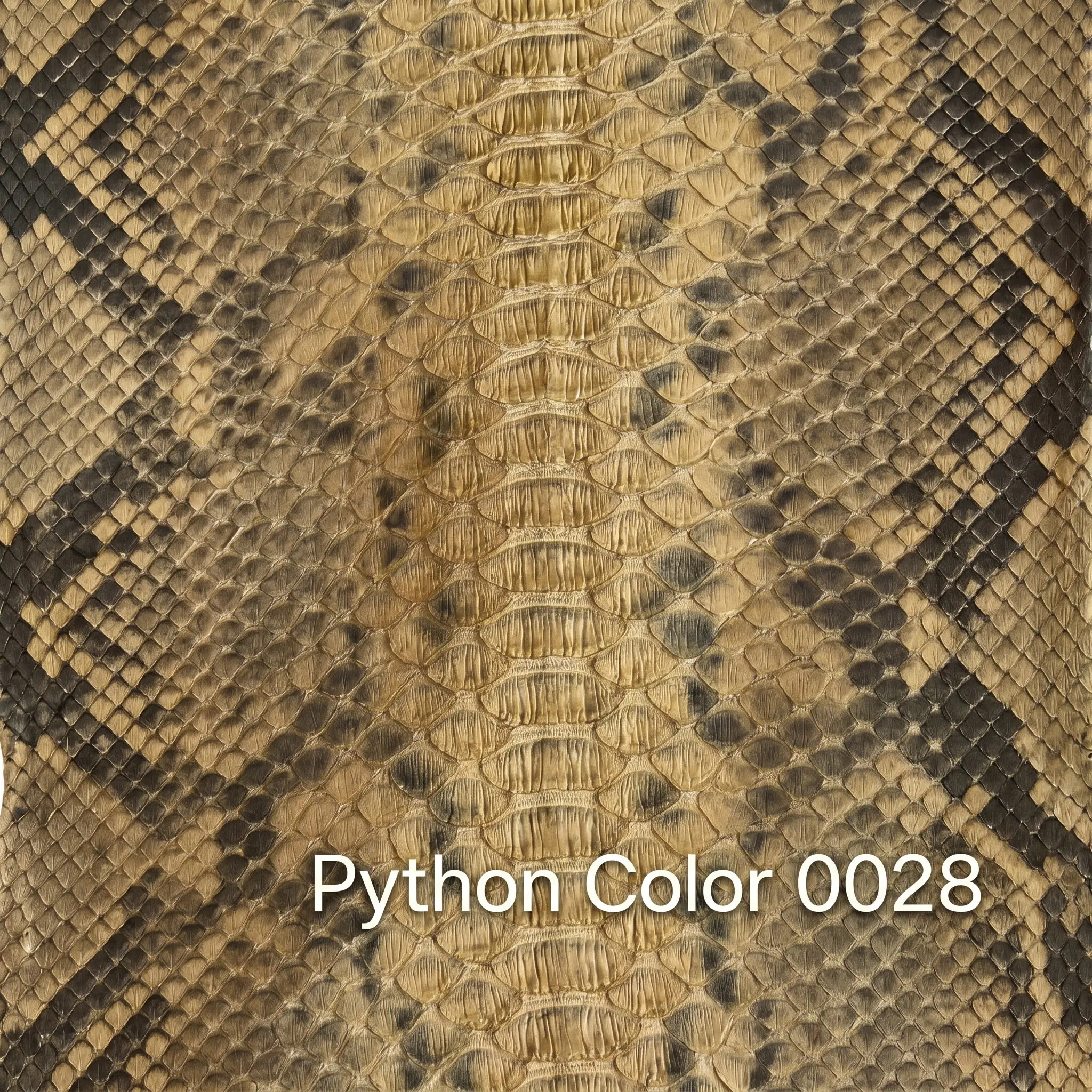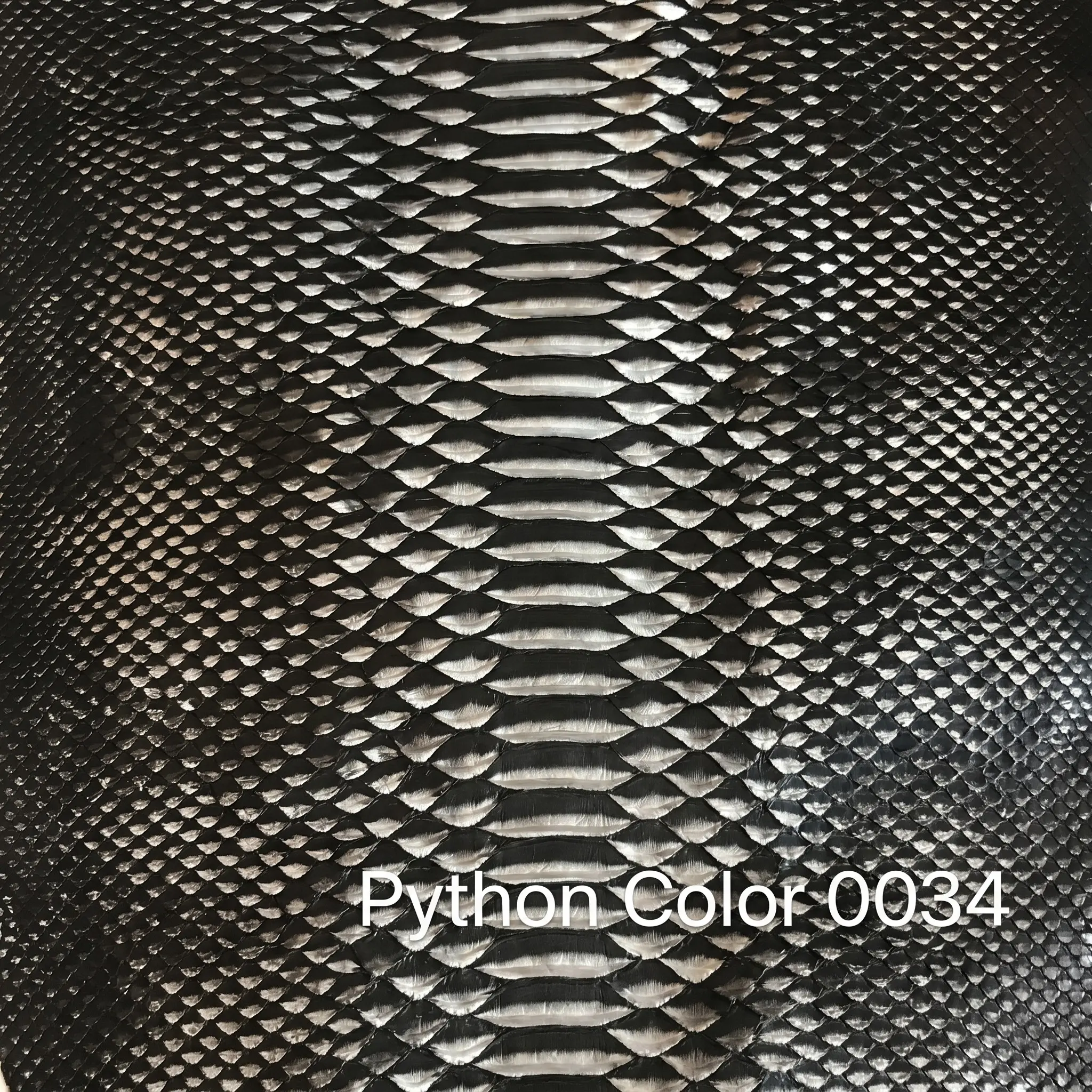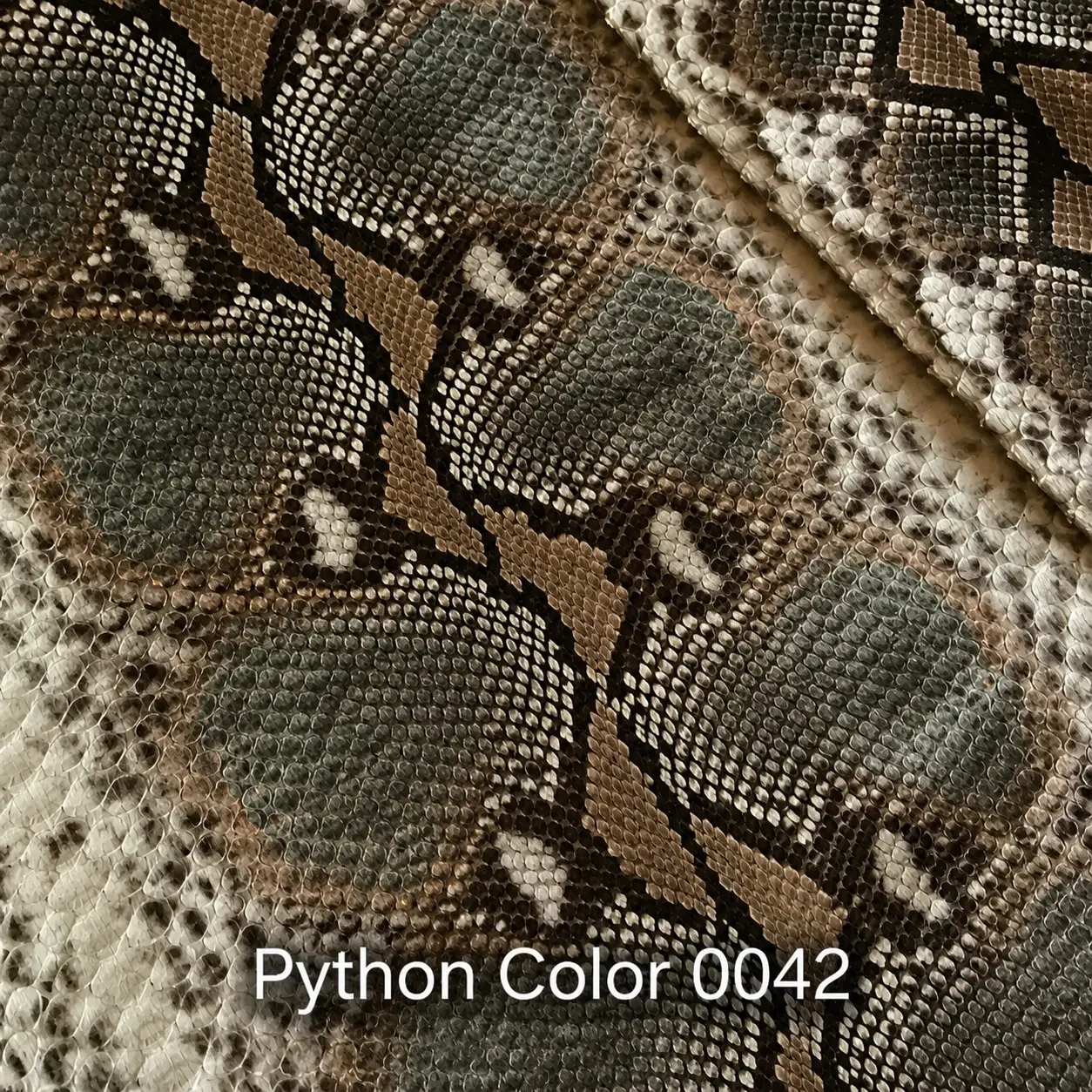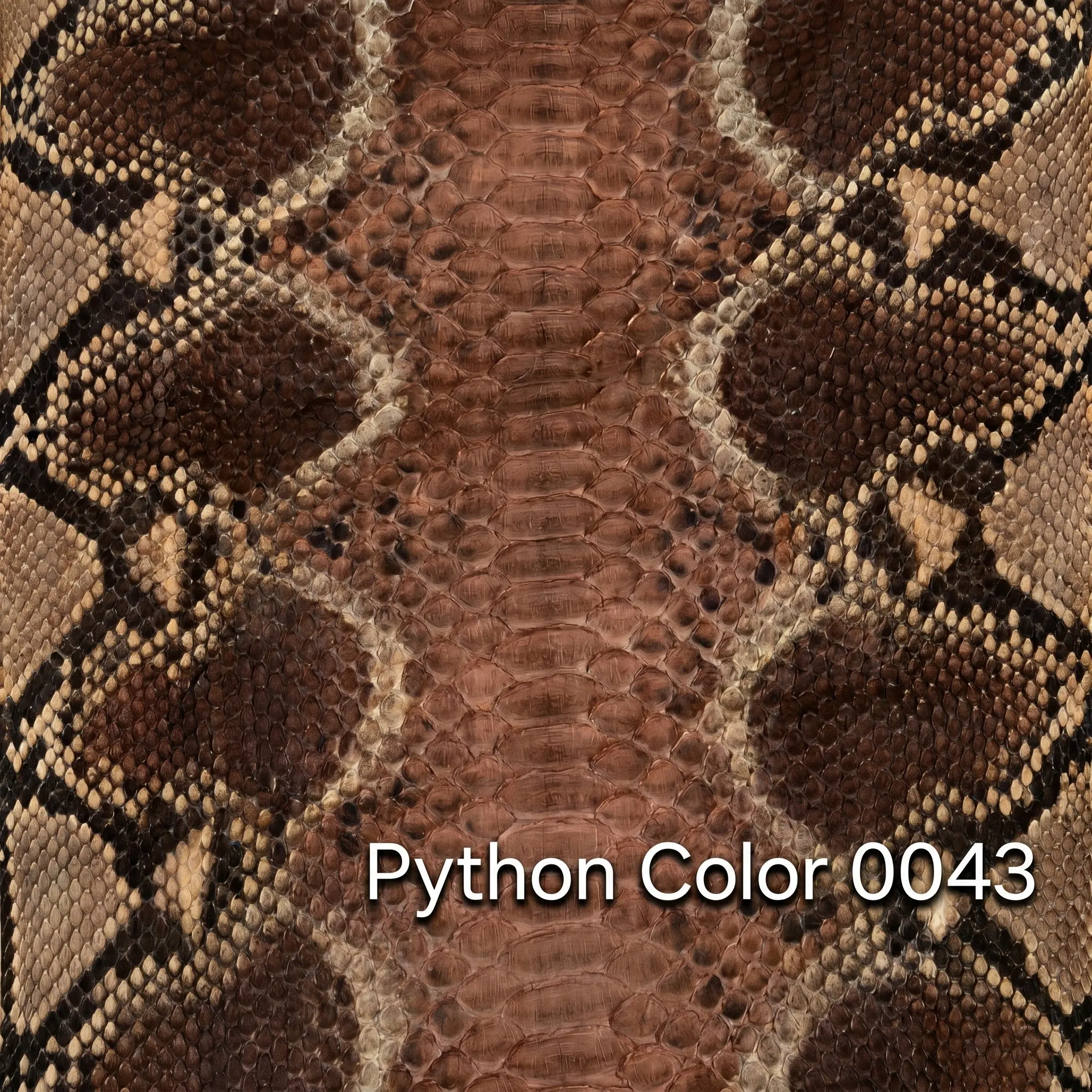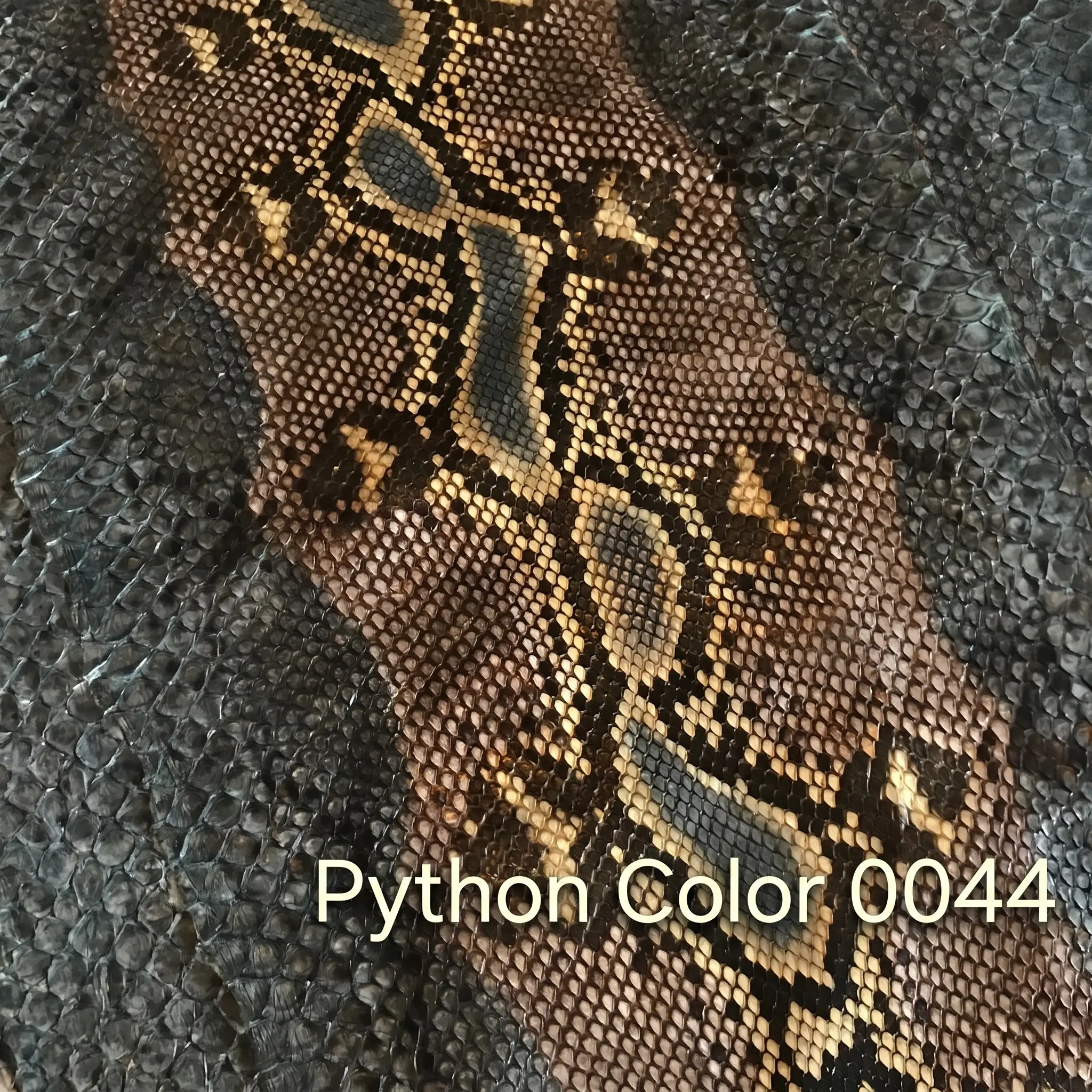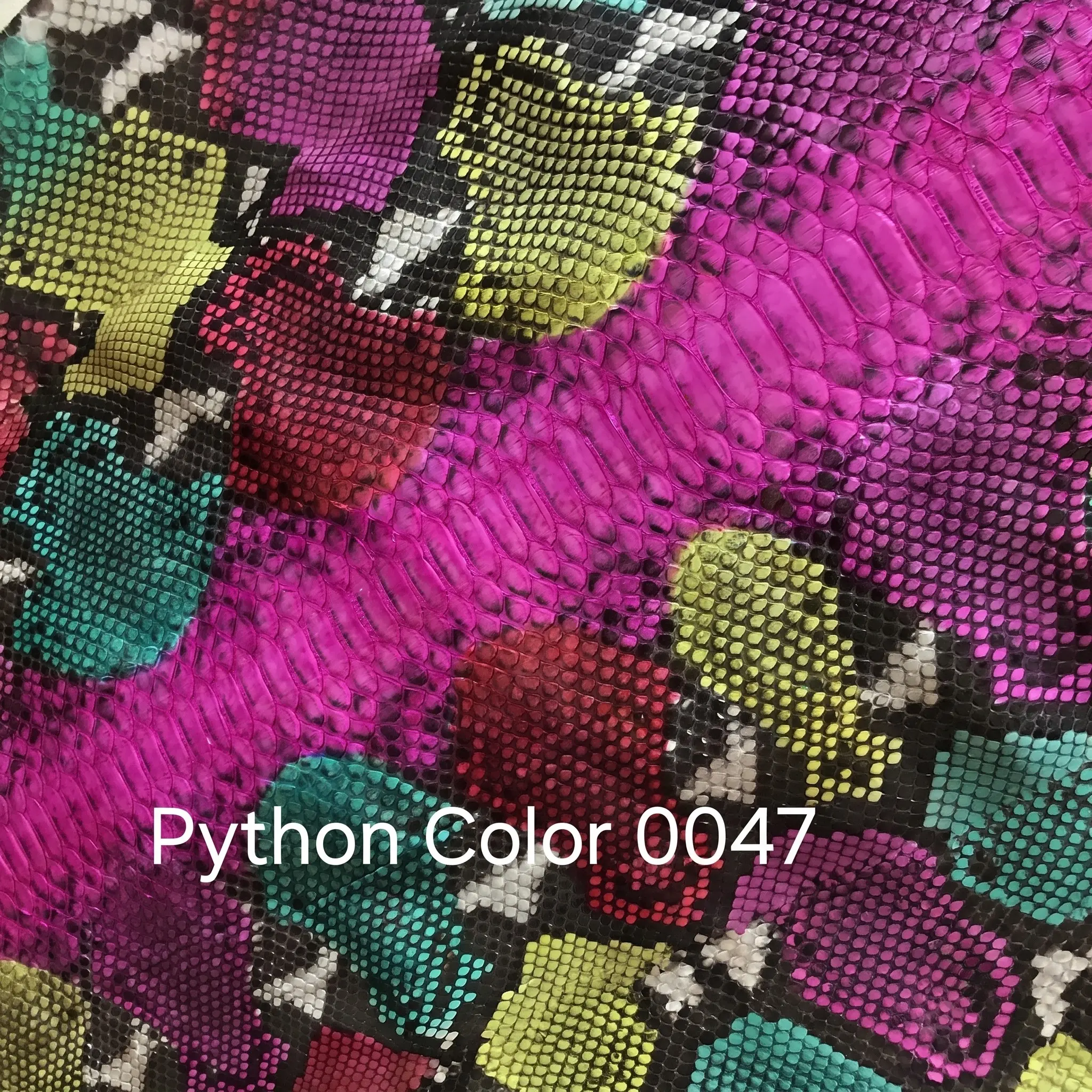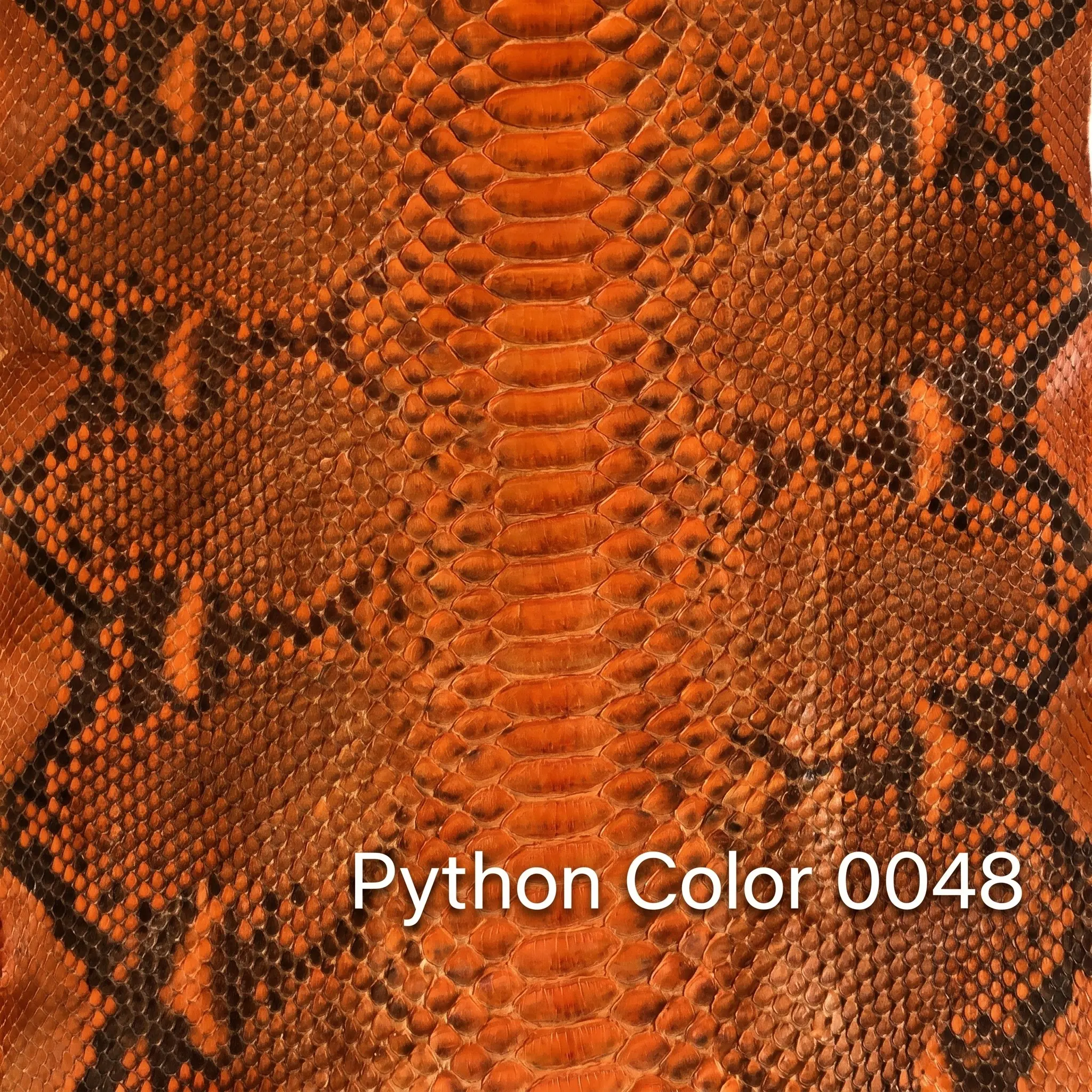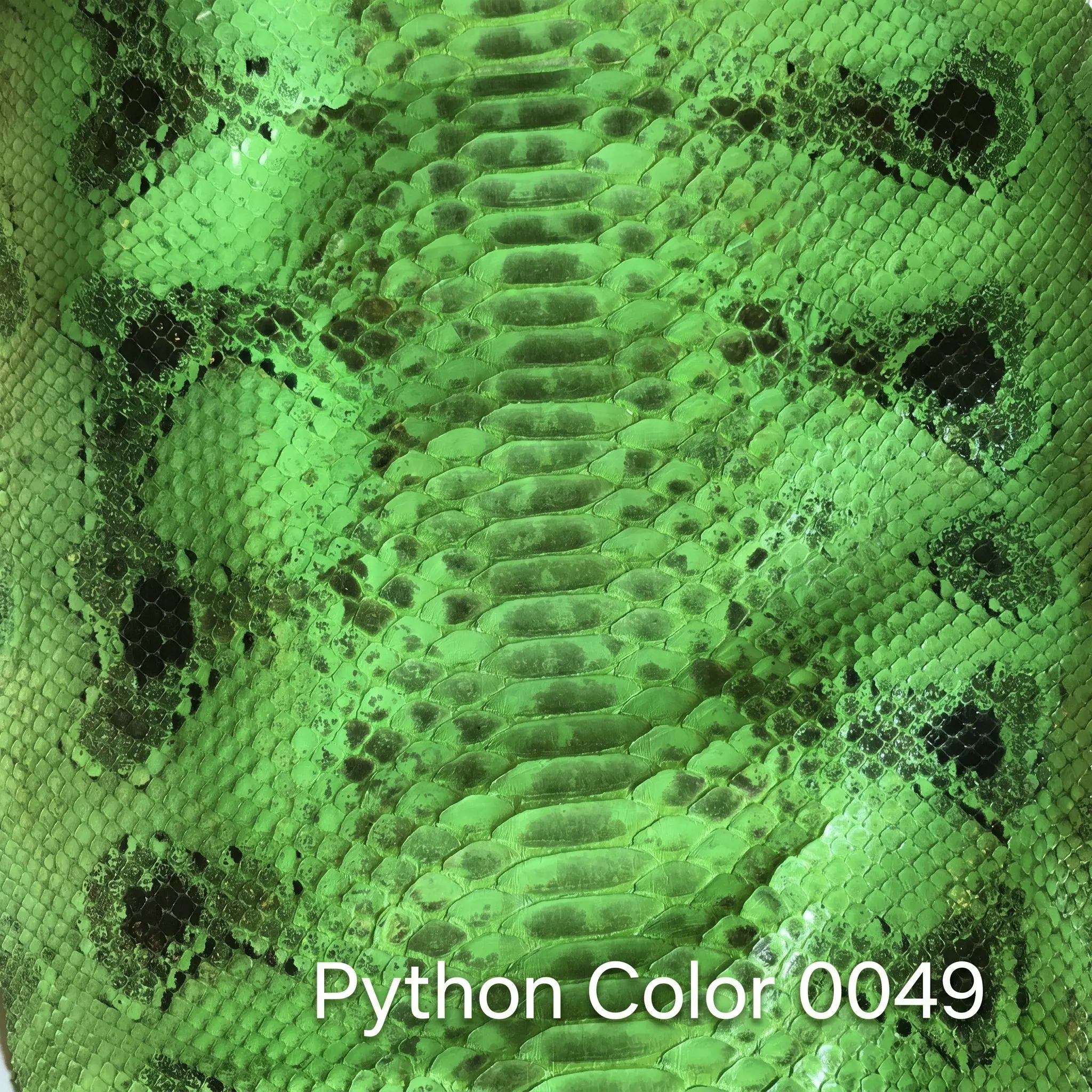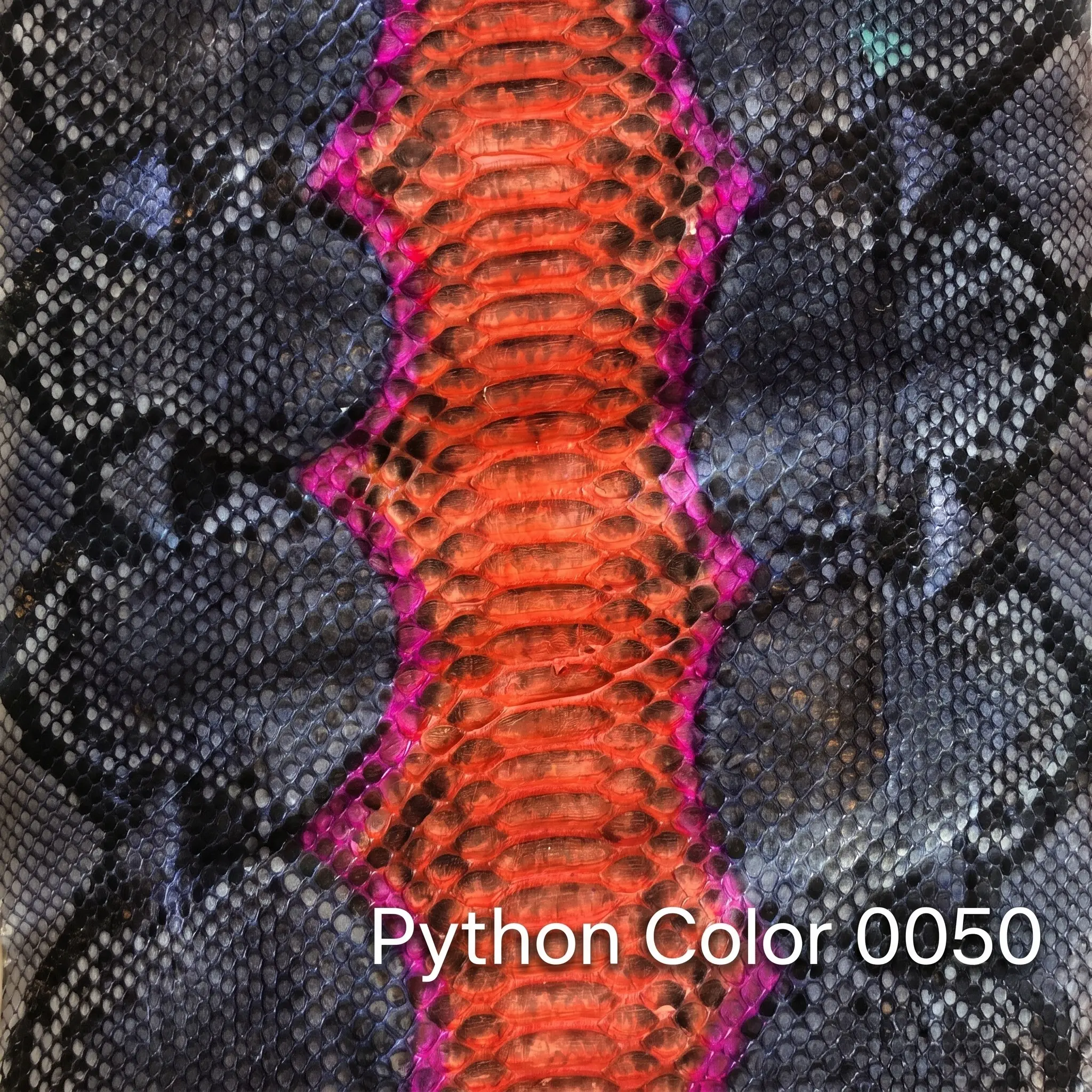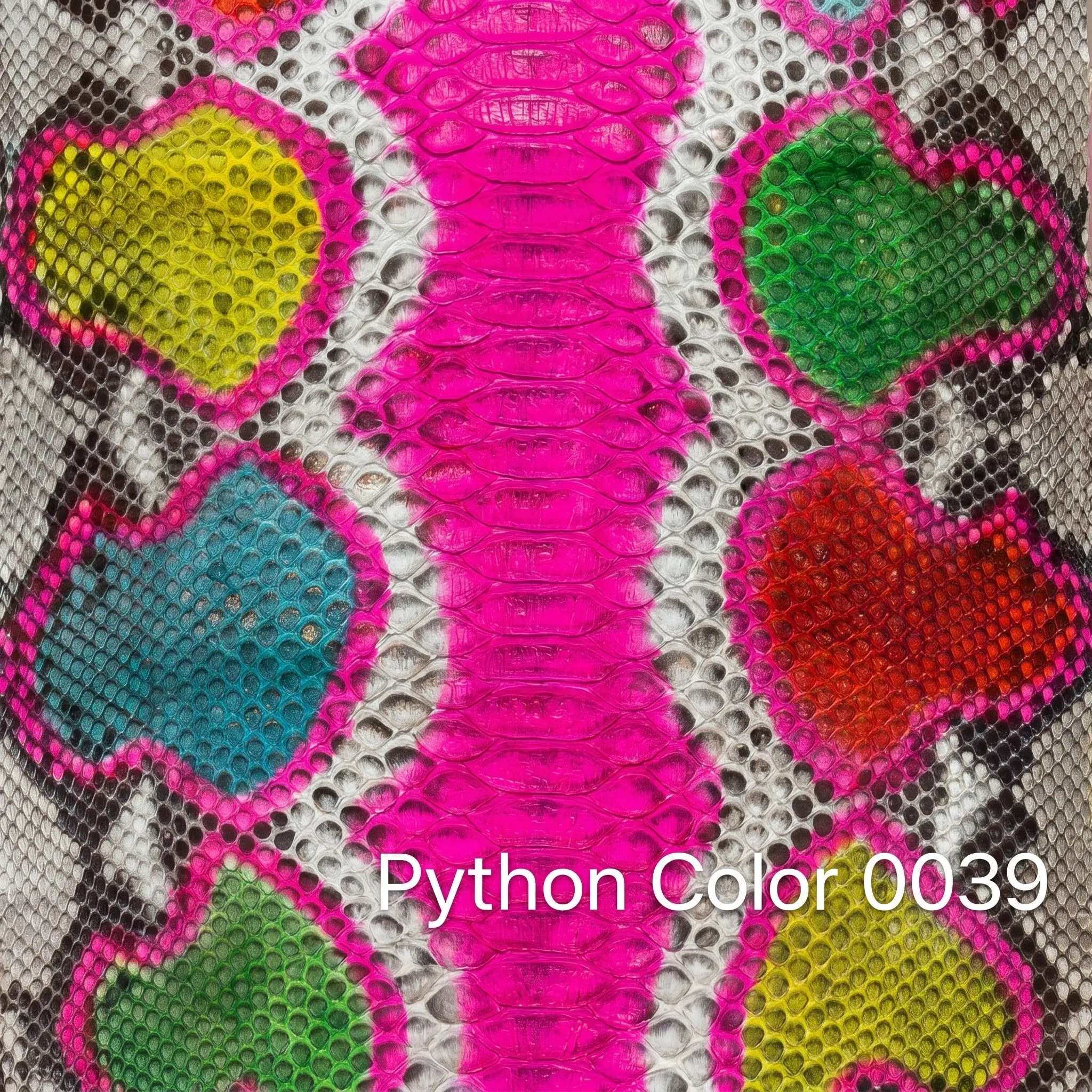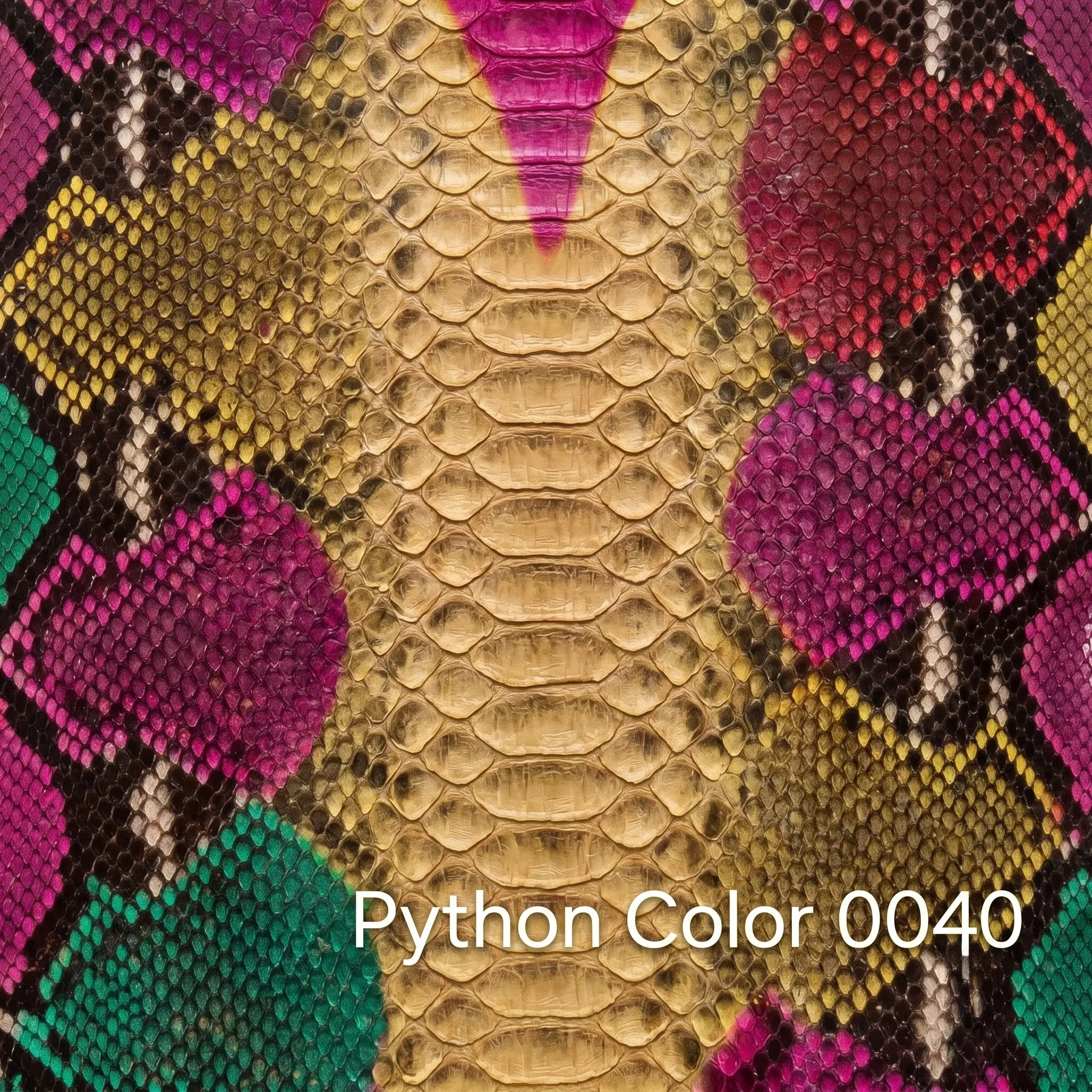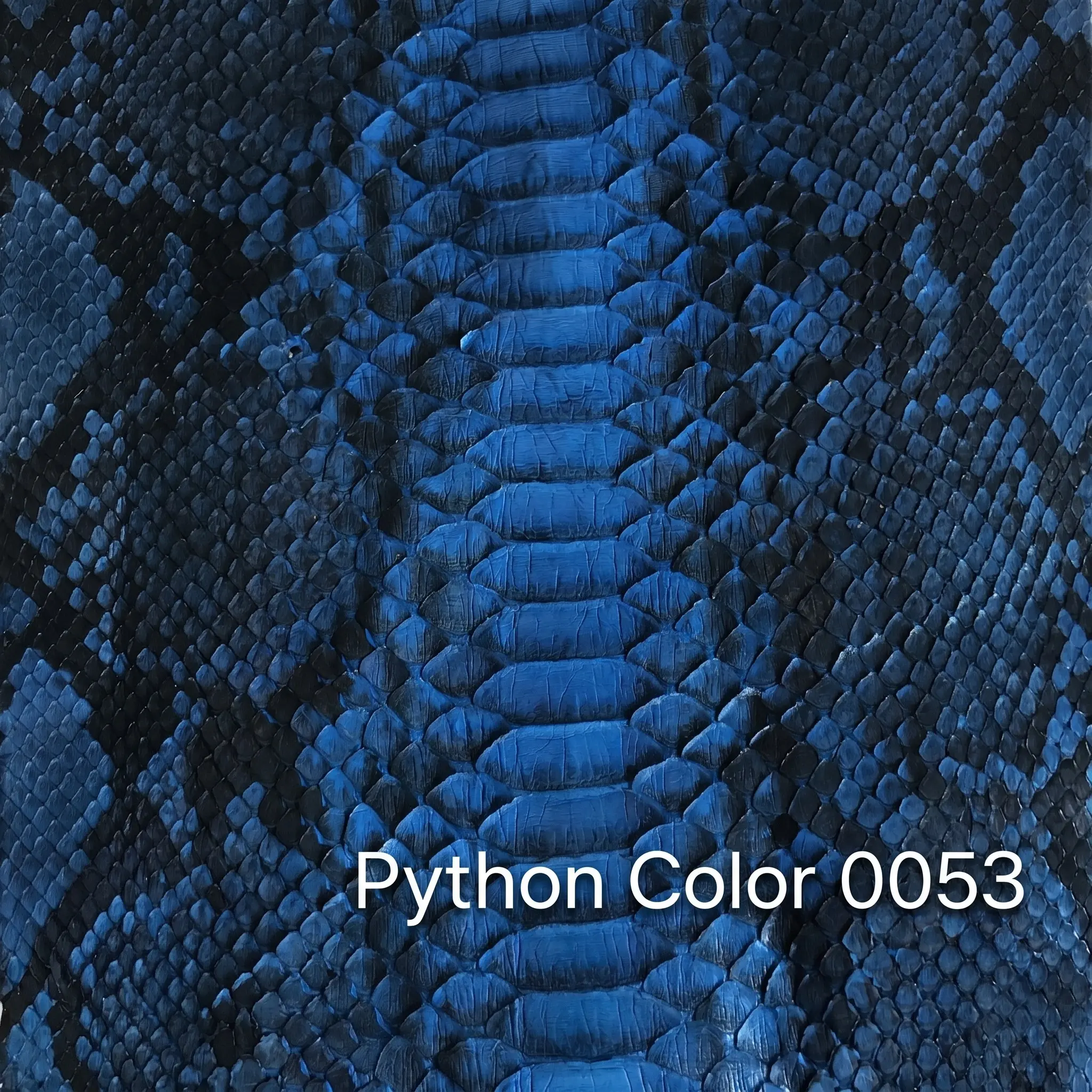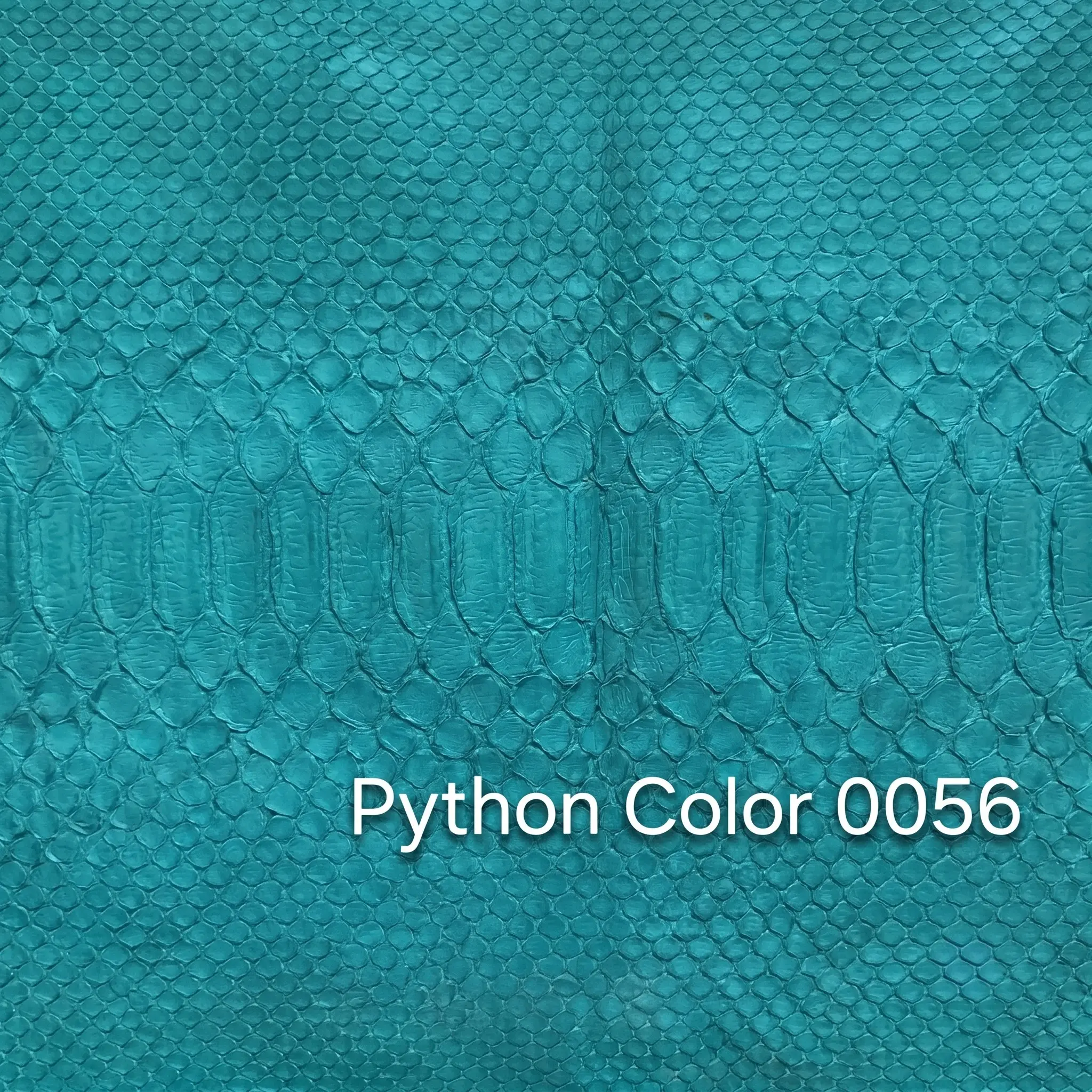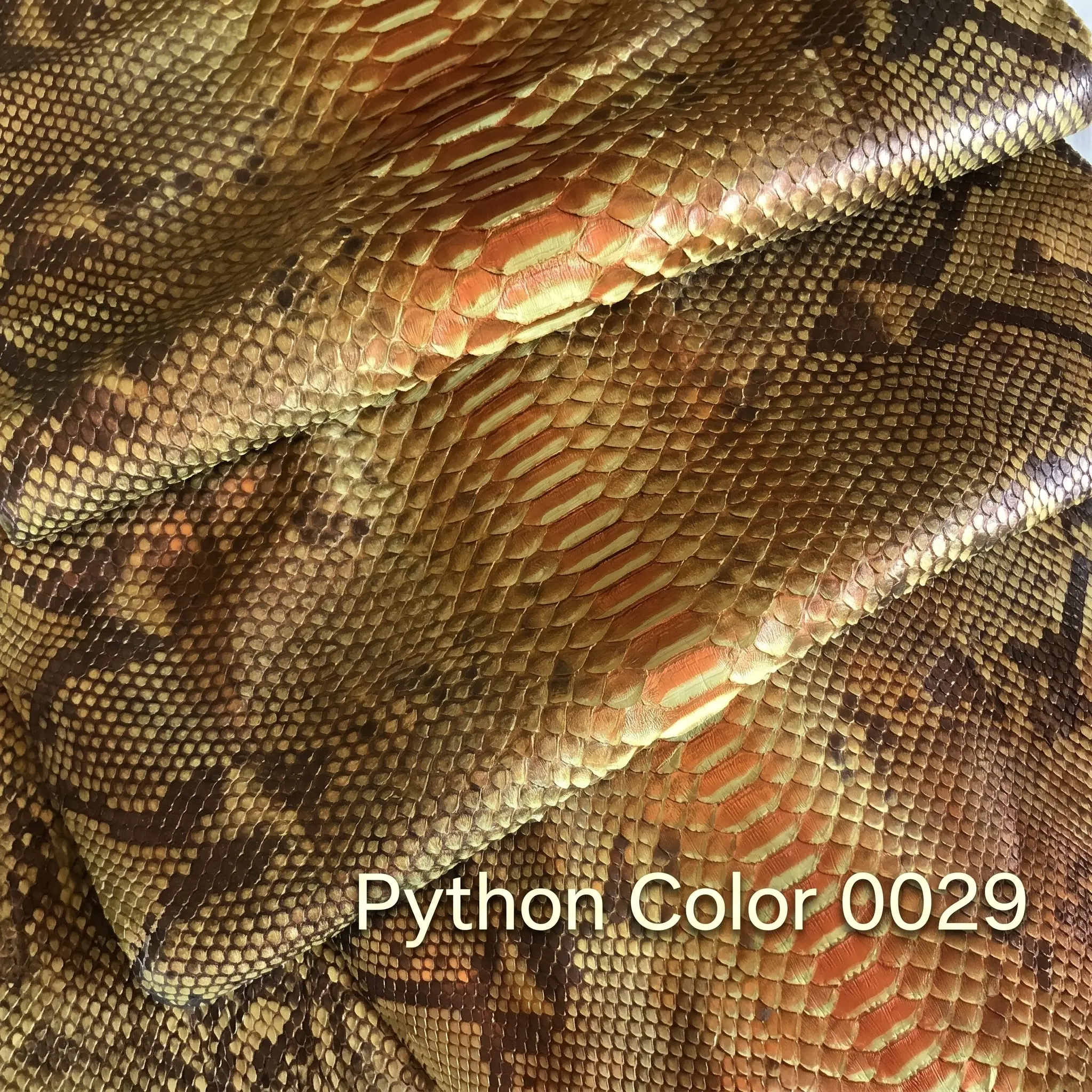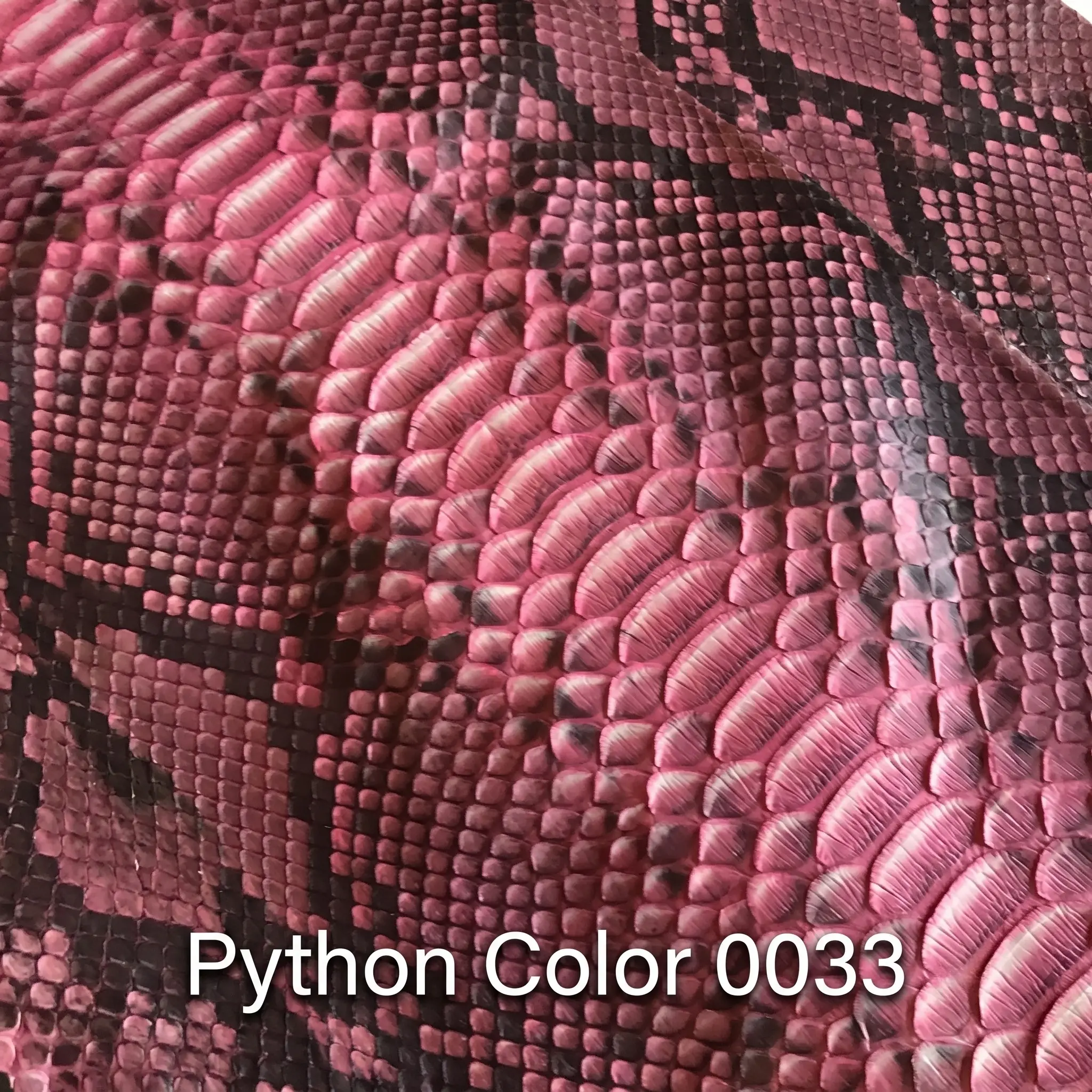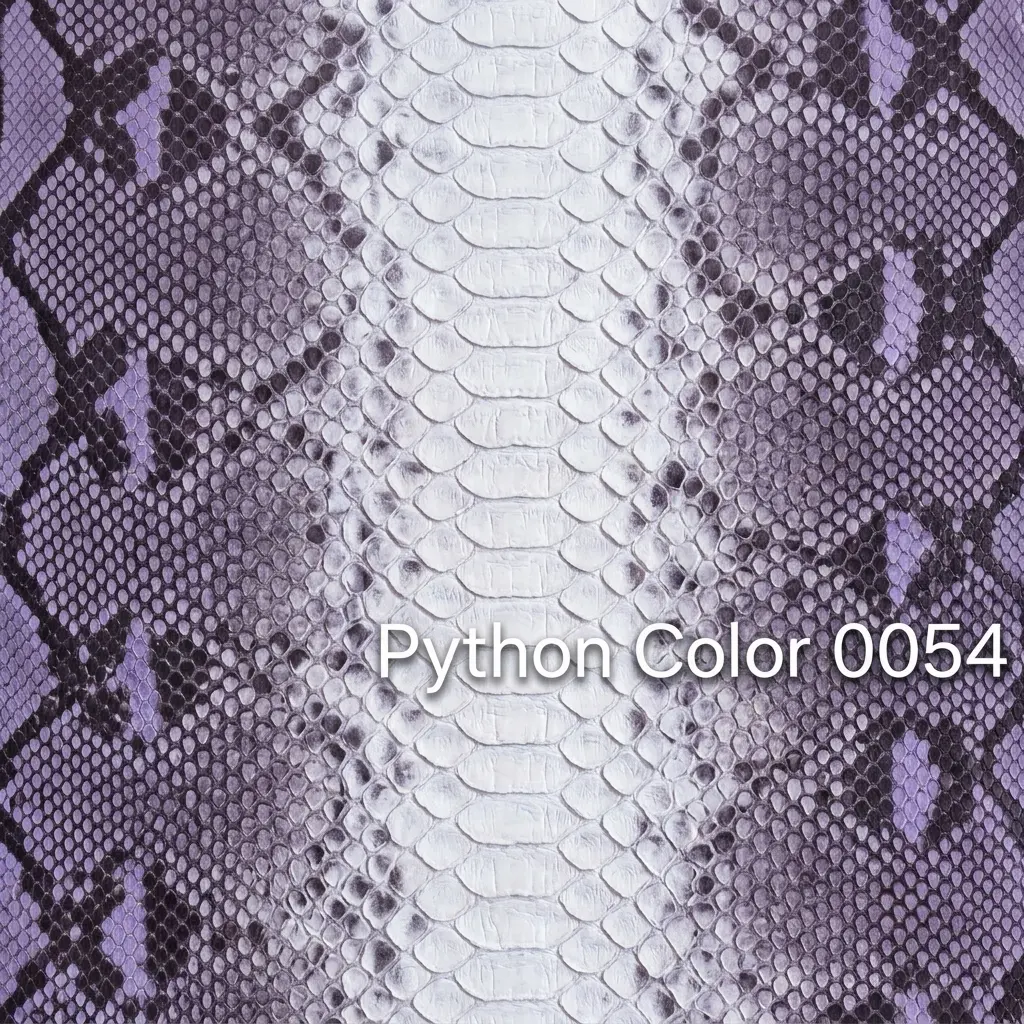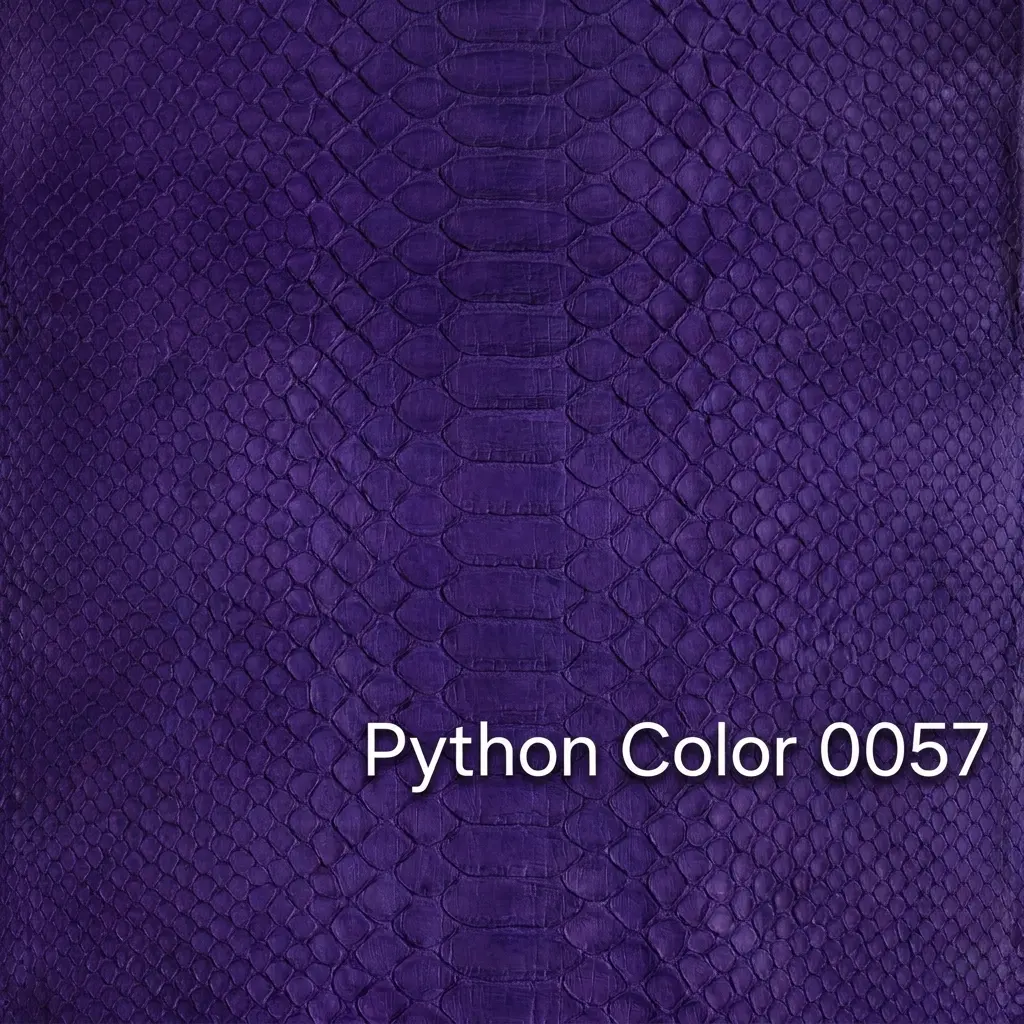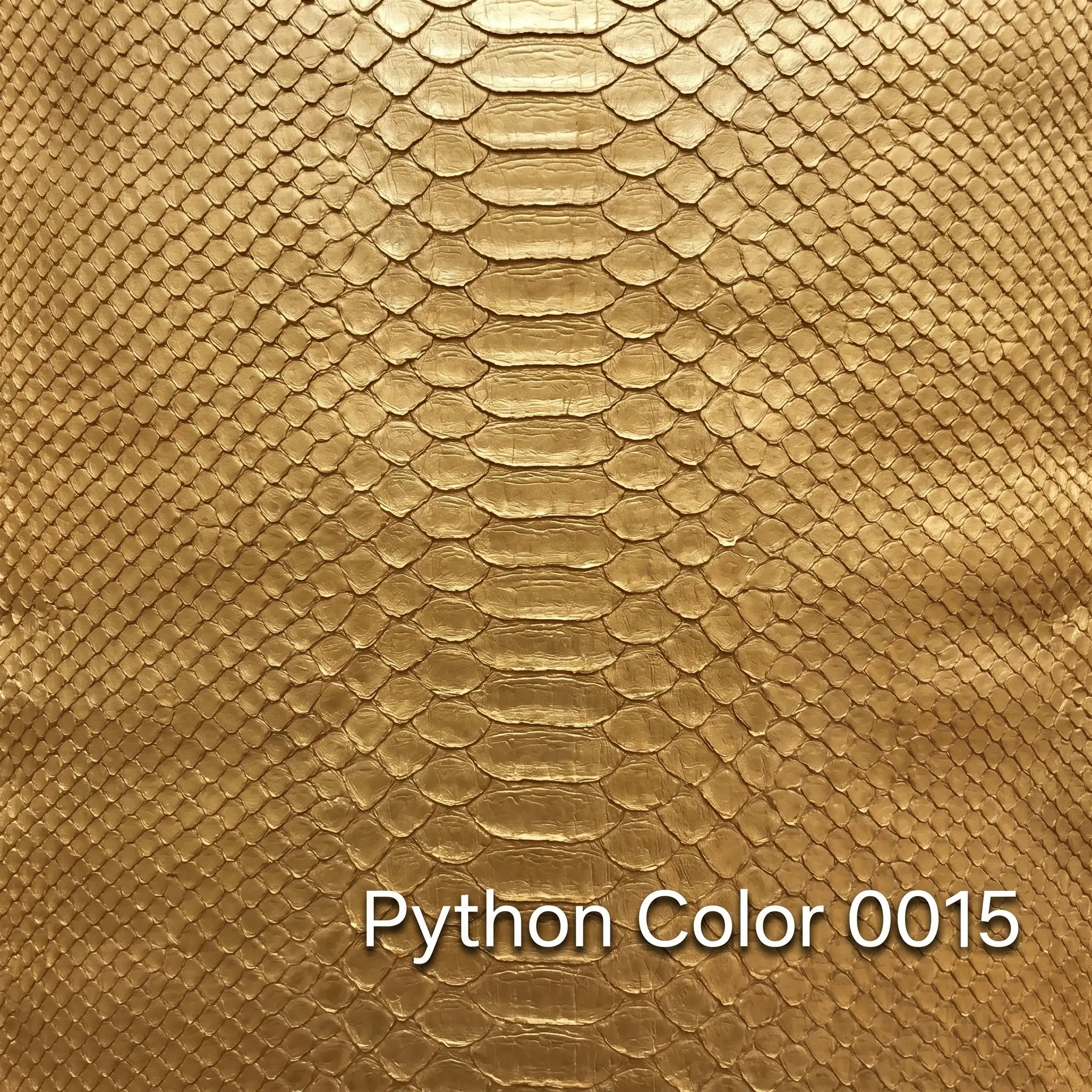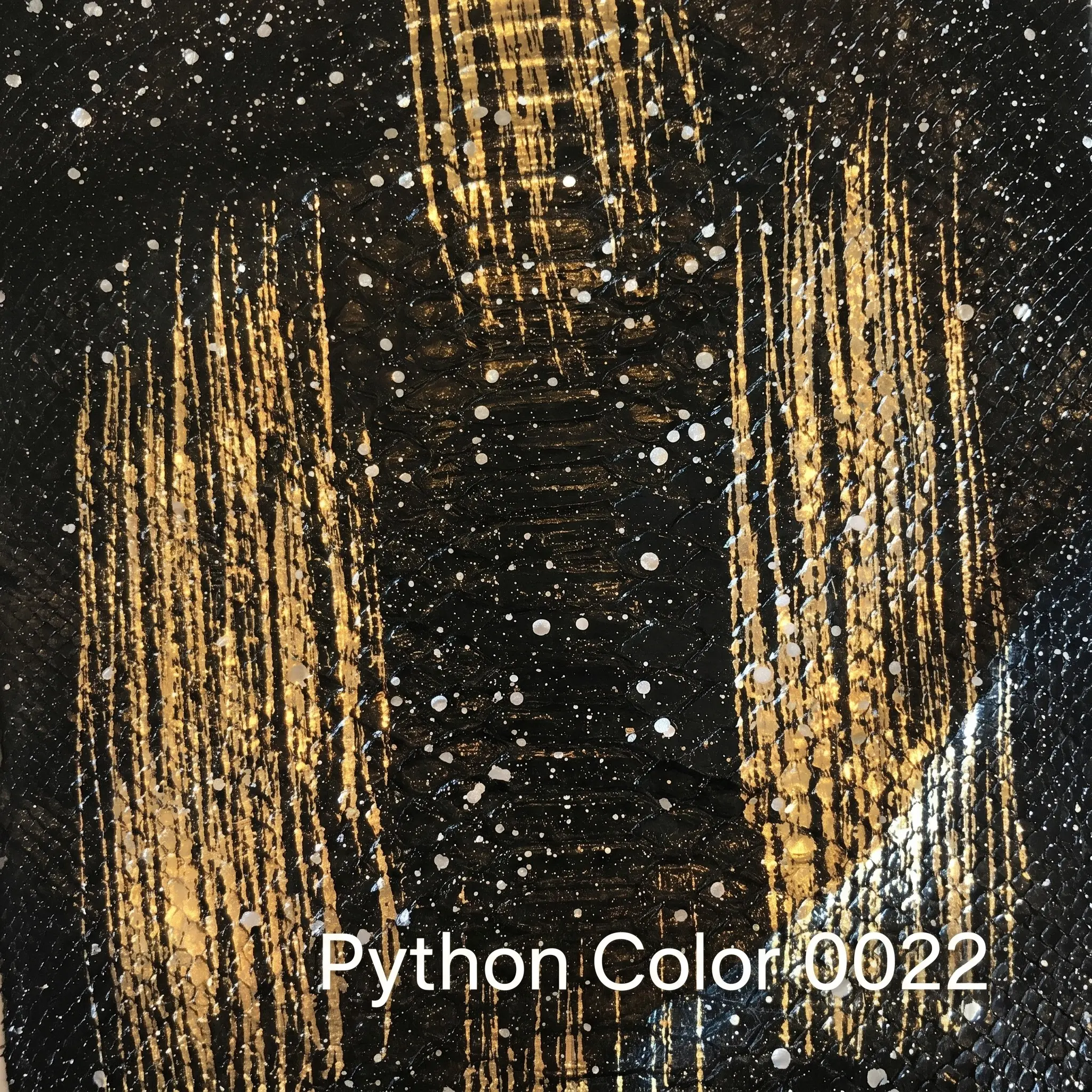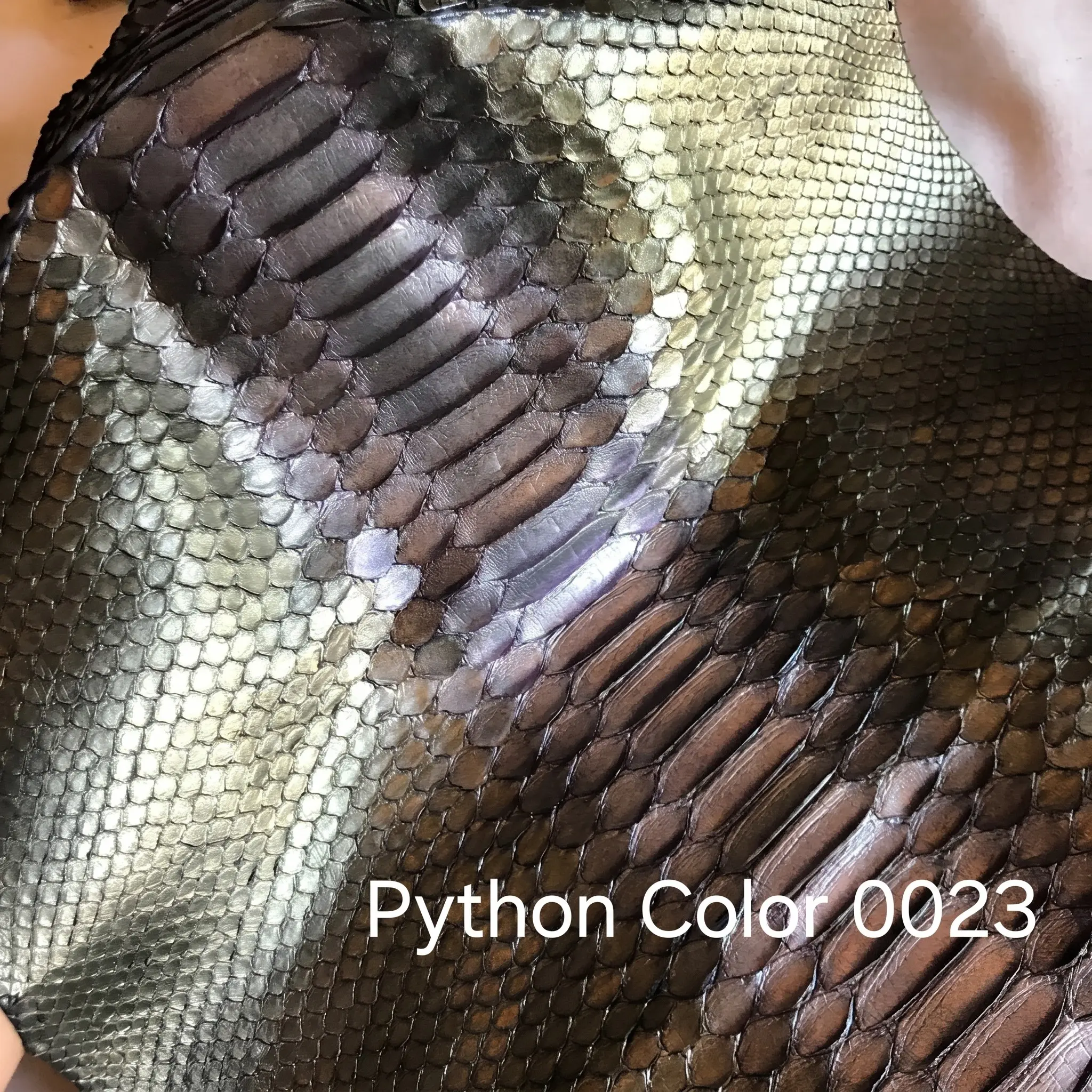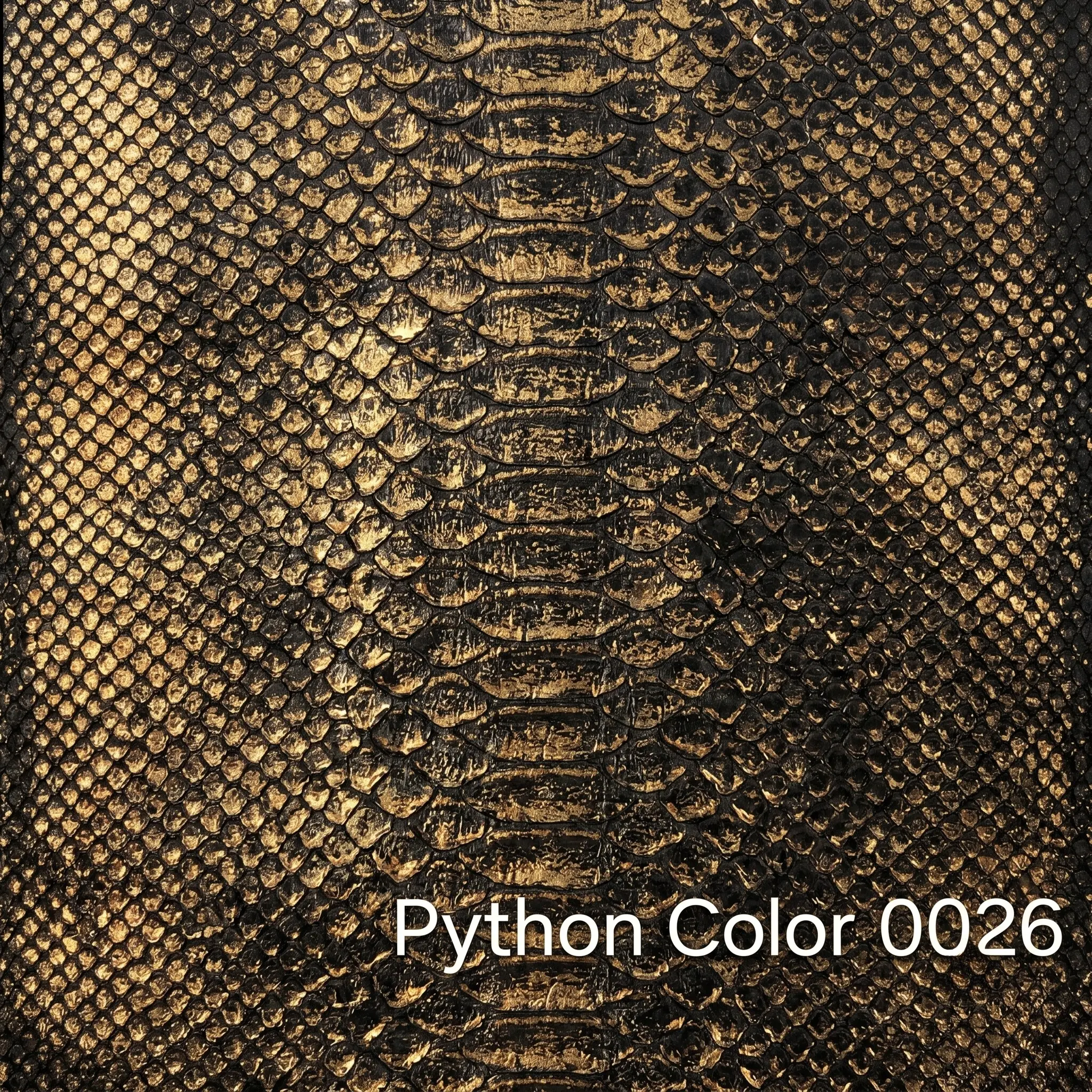

When buying crocodile bags, do not judge by color or price alone. Confirm what parts use genuine crocodile leather, look for natural scale variation, inspect the construction and finishing, and check the seller’s material and sourcing information. A good purchase should be evaluated as a complete product: leather, craftsmanship, hardware, lining, function, and aftercare all matter.
A crocodile bag can look impressive at first glance, but the leather itself is only one part of what makes the piece worth buying.
Before purchasing, check what material is actually used, how the skin is finished, whether the construction supports regular use, and what information the seller provides about authenticity and sourcing.
Start with the product description.
Some bags are made primarily from crocodile leather, while others combine crocodile with Python, calfskin, fabric, or another material. A hybrid design is not necessarily inferior, but the listing should make the construction clear.
For example, the Crocodile Leather Bag – Yané is presented as a handcrafted crocodile leather handbag. By contrast, the Crocodile & Python Leather Bag – Clare Chase specifically combines crocodile and Python leather.
Before buying, check:
Genuine crocodile skin has natural variation. The scales should not resemble a perfectly repeated printed pattern.
Crocodile body scales may also show tiny sensory pores that remain visible after tanning. However, scale shape, symmetry, or one visual clue alone should not be treated as absolute proof.
For a deeper species comparison, see our guide to alligator vs crocodile leather.
Crocodile leather can be finished in very different ways.
The Himalayan Crocodile Bag – Saint Mary shows how a pale Himalayan finish can become a defining part of the bag’s appearance. Other crocodile bags may use darker, glossier, or more understated finishes.
Check whether:
Color is personal. Finishing quality is not.
Genuine crocodile leather does not automatically make a well-made bag.
Look for:
Products such as the Crocodile Leather Bag – Cámila and Yané are useful examples to compare as complete handbag designs rather than judging only by the exotic material.
Before choosing a crocodile leather bag, consider:
The most dramatic option is not automatically the most practical one for your wardrobe.
A seller should be able to explain the material being sold and answer reasonable questions about sourcing and care.
If you are purchasing internationally, check whether wildlife-trade or import requirements apply to your destination before shipping. Rules can vary by species and country.
Also ask how the leather should be cleaned and stored. Knowing the care requirements beforehand helps you decide whether the bag fits your lifestyle.
Before purchasing, confirm:
The best way to evaluate crocodile bags is to look beyond the label.
Genuine crocodile leather matters, but so do scale character, finish, construction, material transparency, function, and sourcing. Checking those details makes it easier to compare crocodile leather bags and choose one that fits both your expectations and how you plan to use it.
Browse our collection of genuine crocodile leather bags here.
1. How can you tell if a crocodile bag is genuine?
Look for natural variation in the scale pattern and clear material information from the seller. Crocodile body scales may also retain tiny sensory pores after tanning, but you should not rely on one visual clue alone when determining authenticity.
2. Should the scales on a genuine crocodile bag be perfectly symmetrical?
No. Genuine skin naturally varies across the hide. Skilled makers may arrange and align the leather carefully, but an unnaturally repetitive pattern should not be treated as a sign of higher quality.
3. Is a crocodile and Python hybrid bag still a genuine crocodile product?
It can contain genuine crocodile leather without being made entirely from crocodile. Check the product description to understand which sections use crocodile and which use Python or another material.
4. Does a higher price prove that a crocodile bag is genuine?
No. Price alone does not prove authenticity or craftsmanship. Material disclosure, natural leather characteristics, construction quality, sourcing information, and seller transparency are more useful considerations.
5. What should you ask before buying a crocodile leather bag?
Ask what parts of the bag use crocodile leather, what other materials are present, how the leather is finished, how the bag should be maintained, where it can be shipped, and whether any documentation is required for your destination.