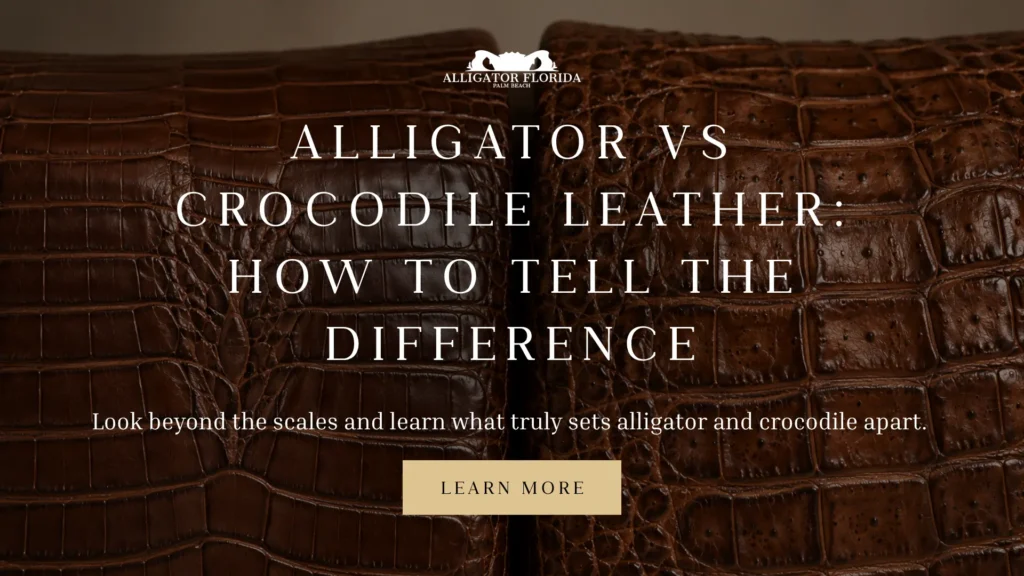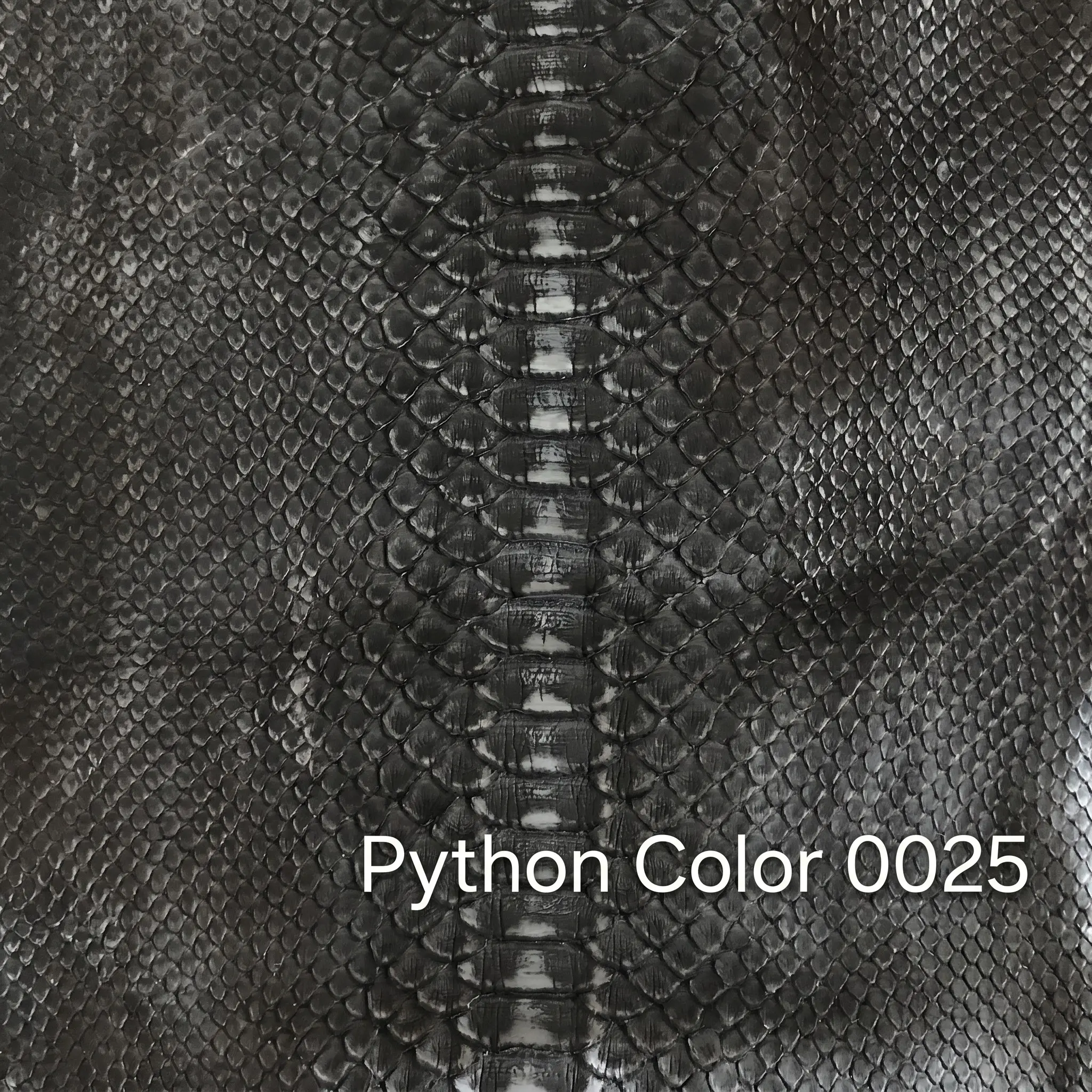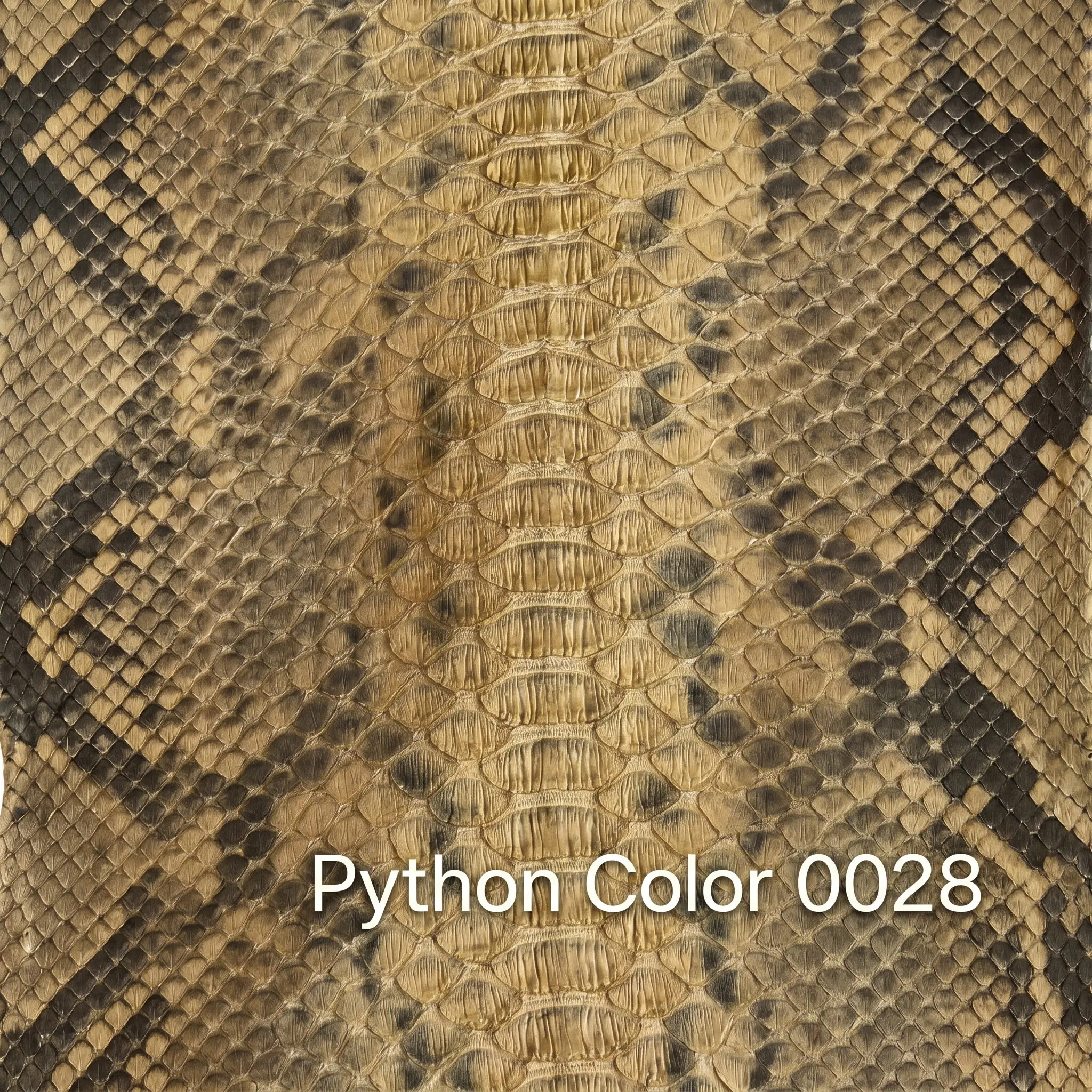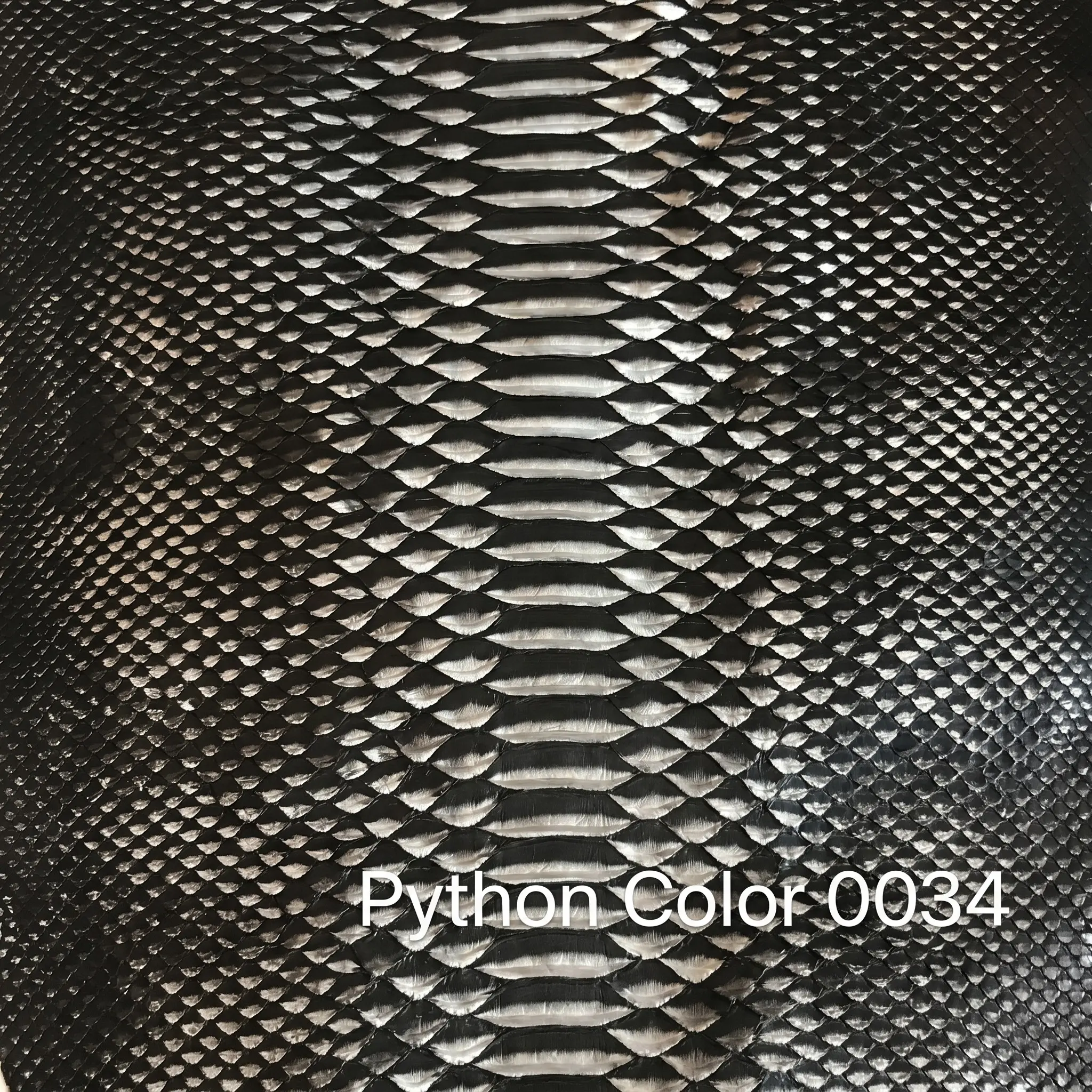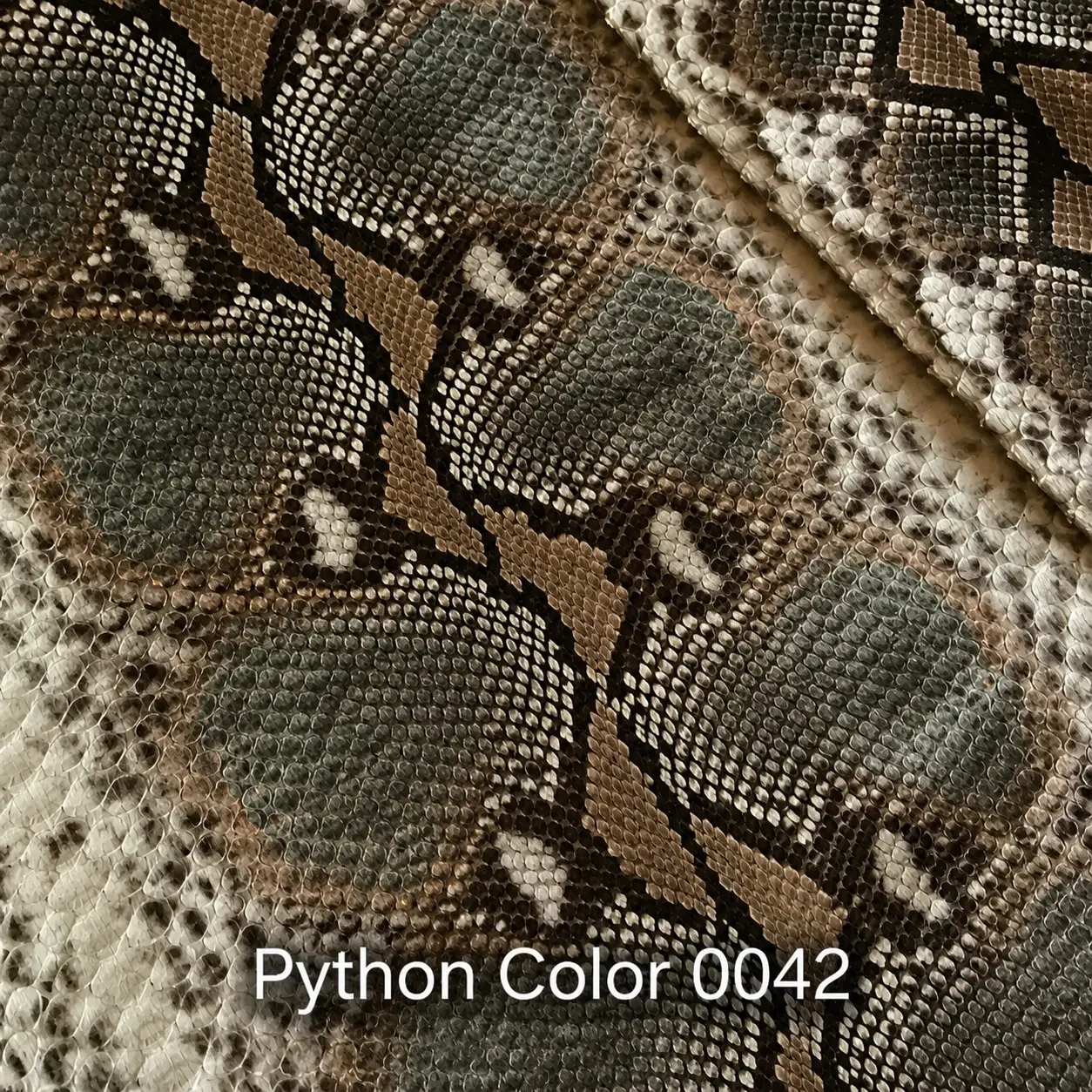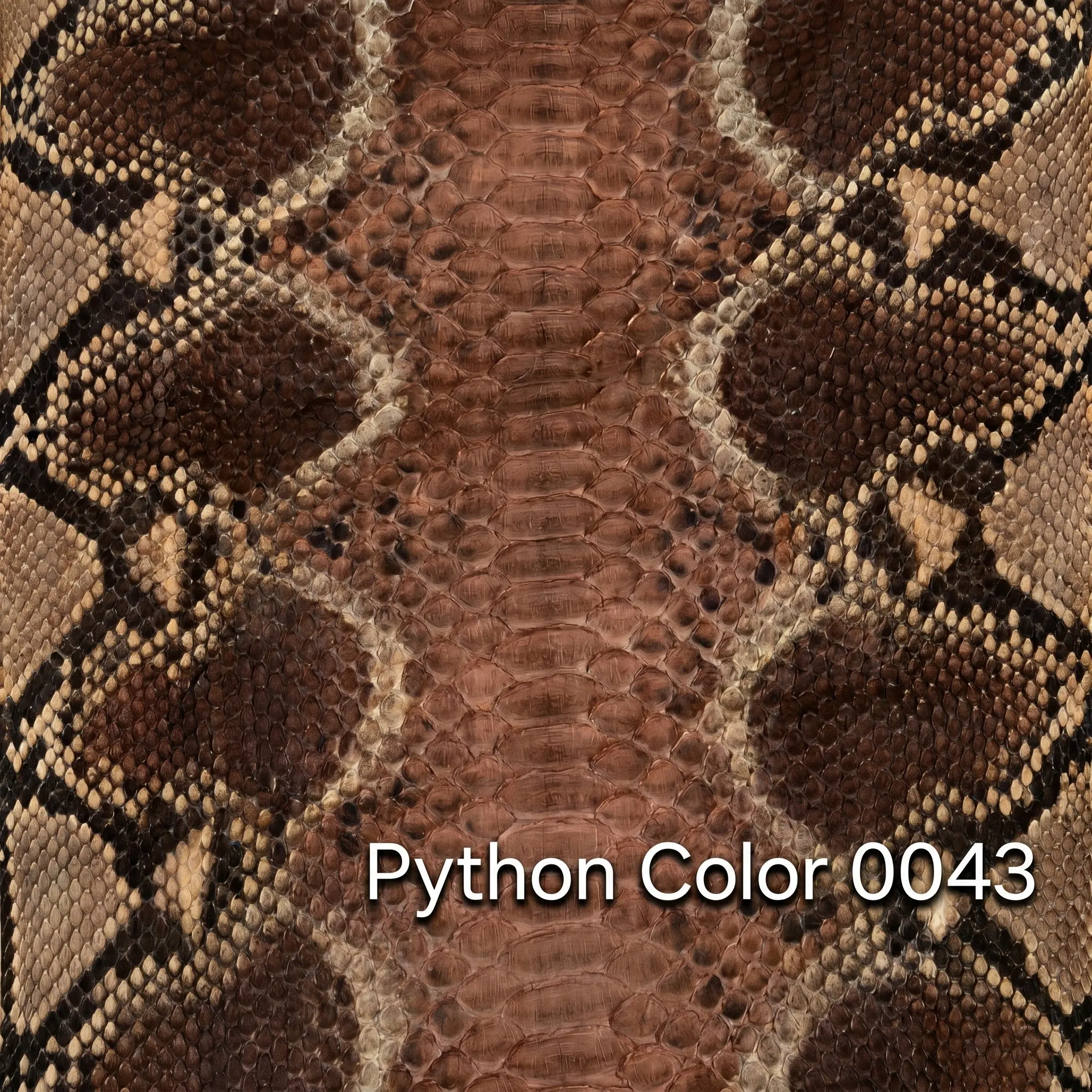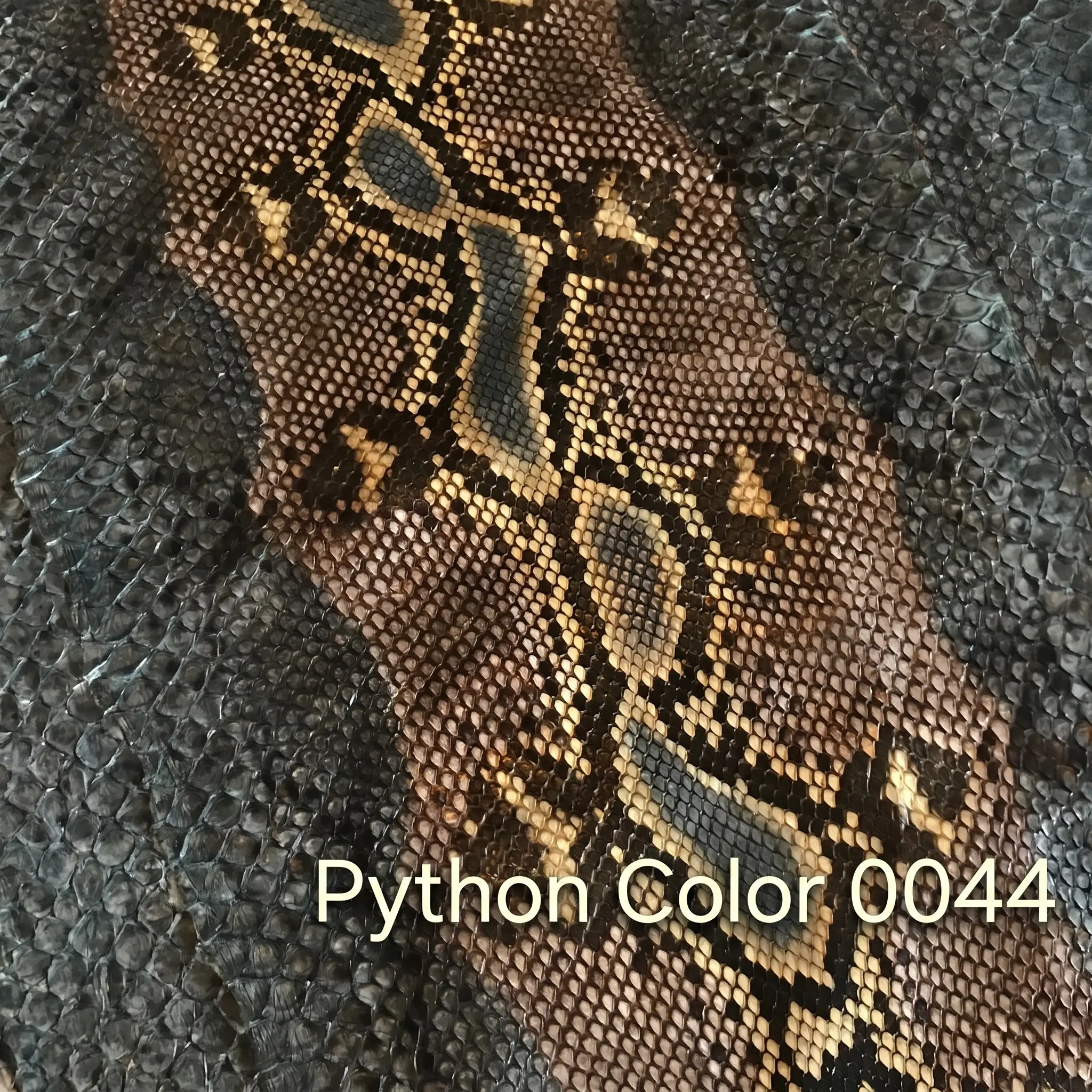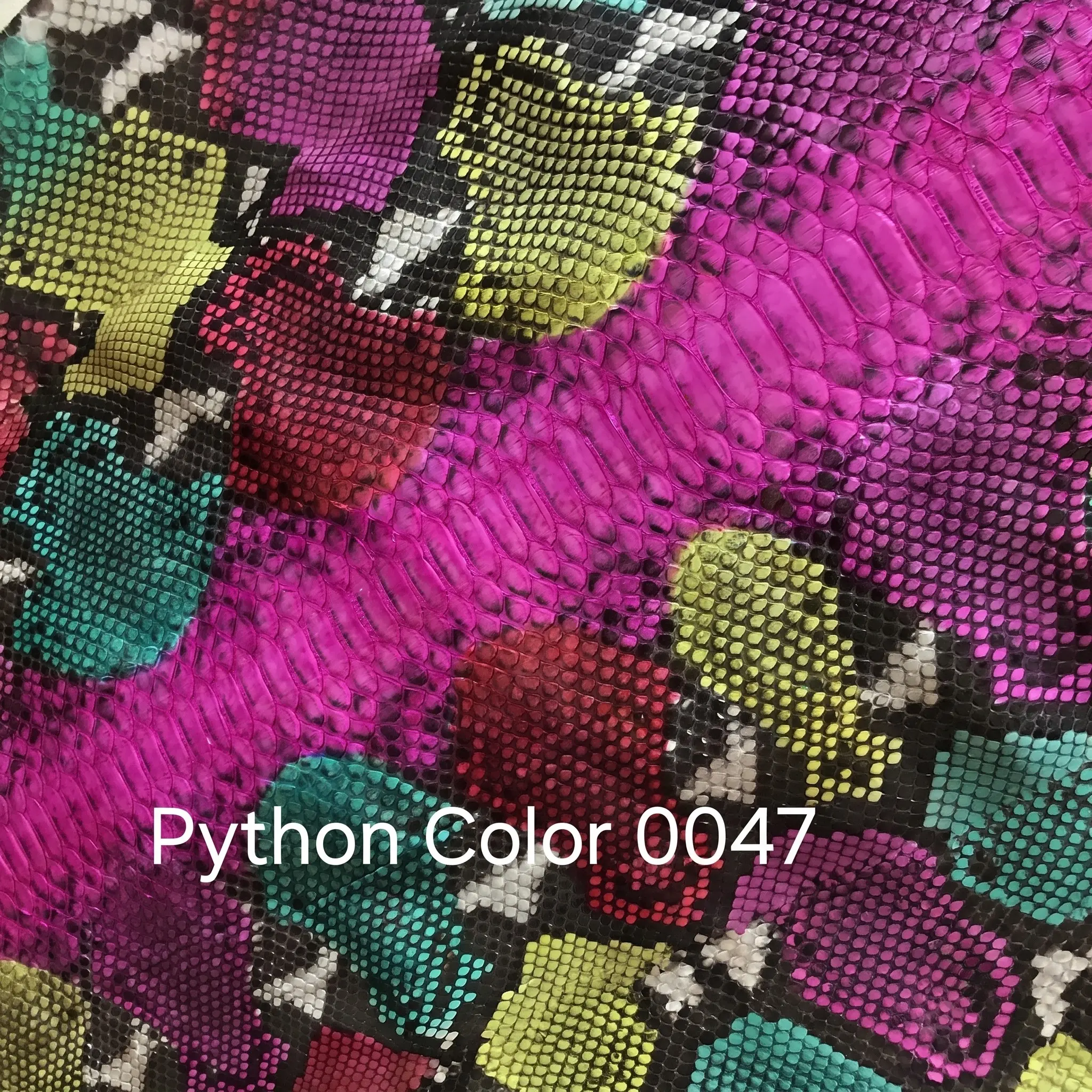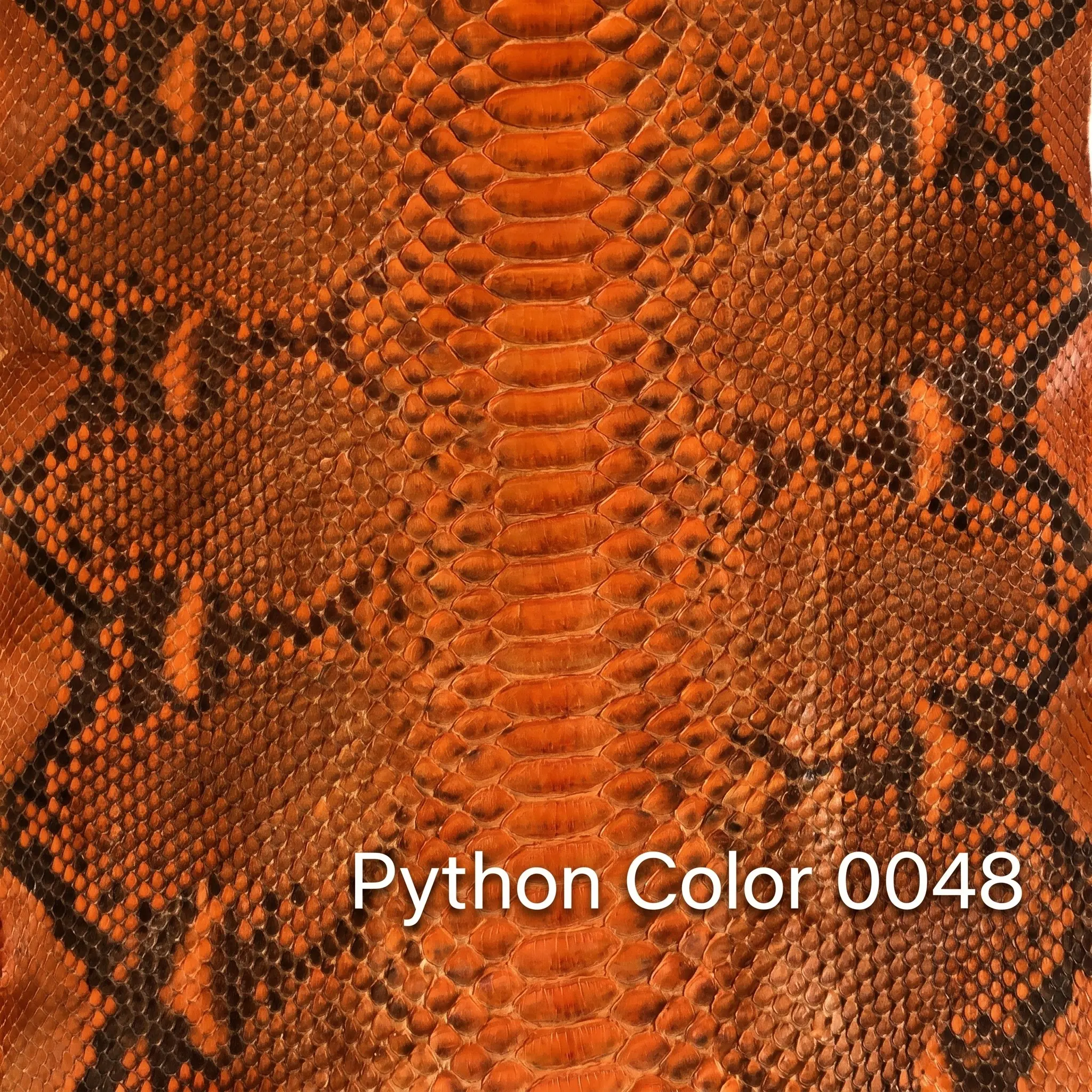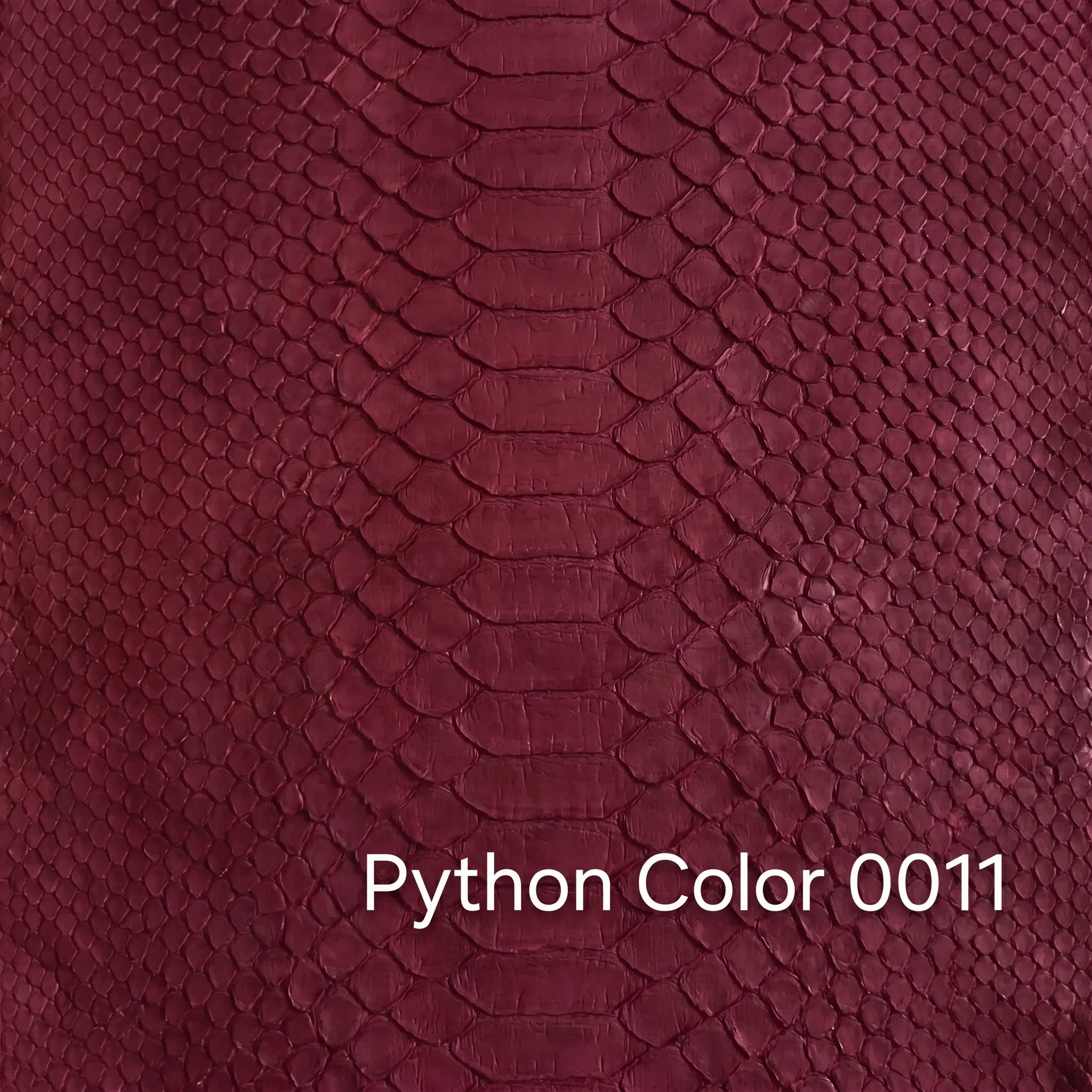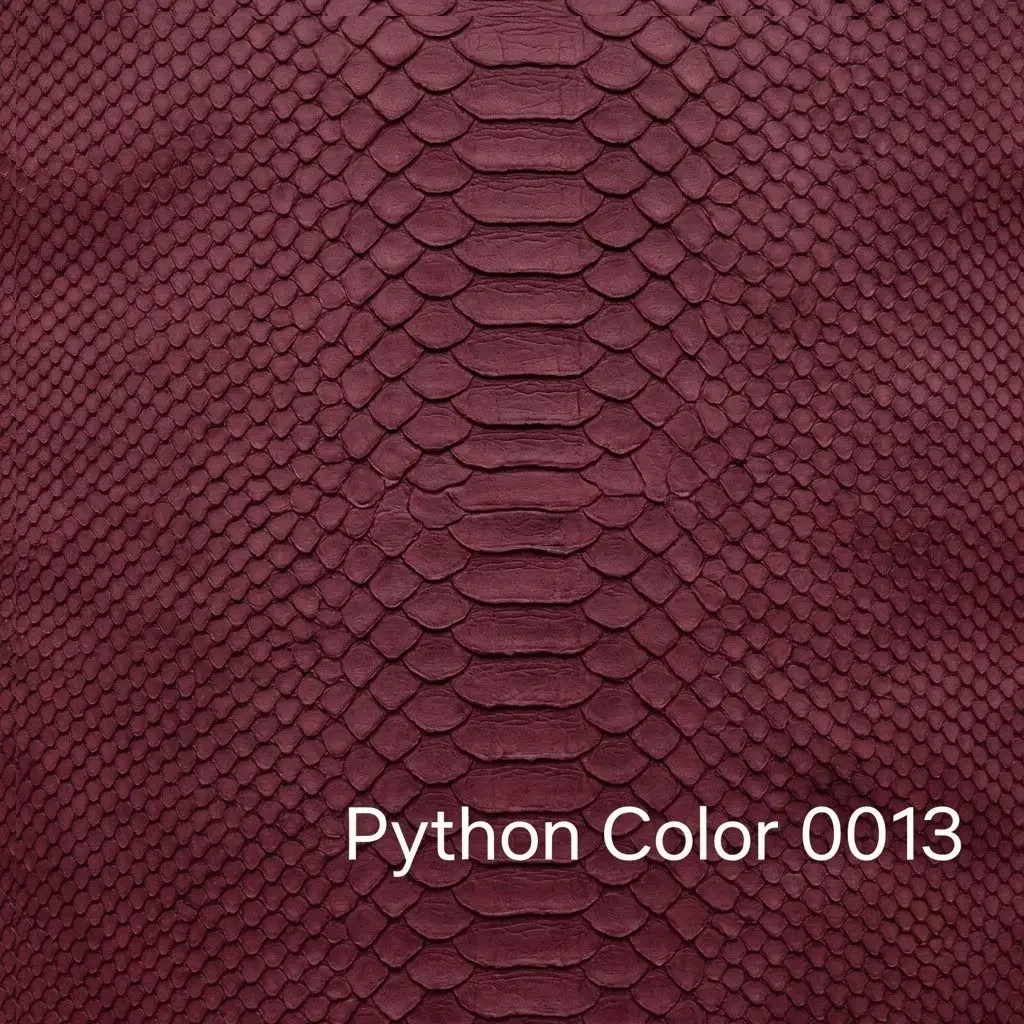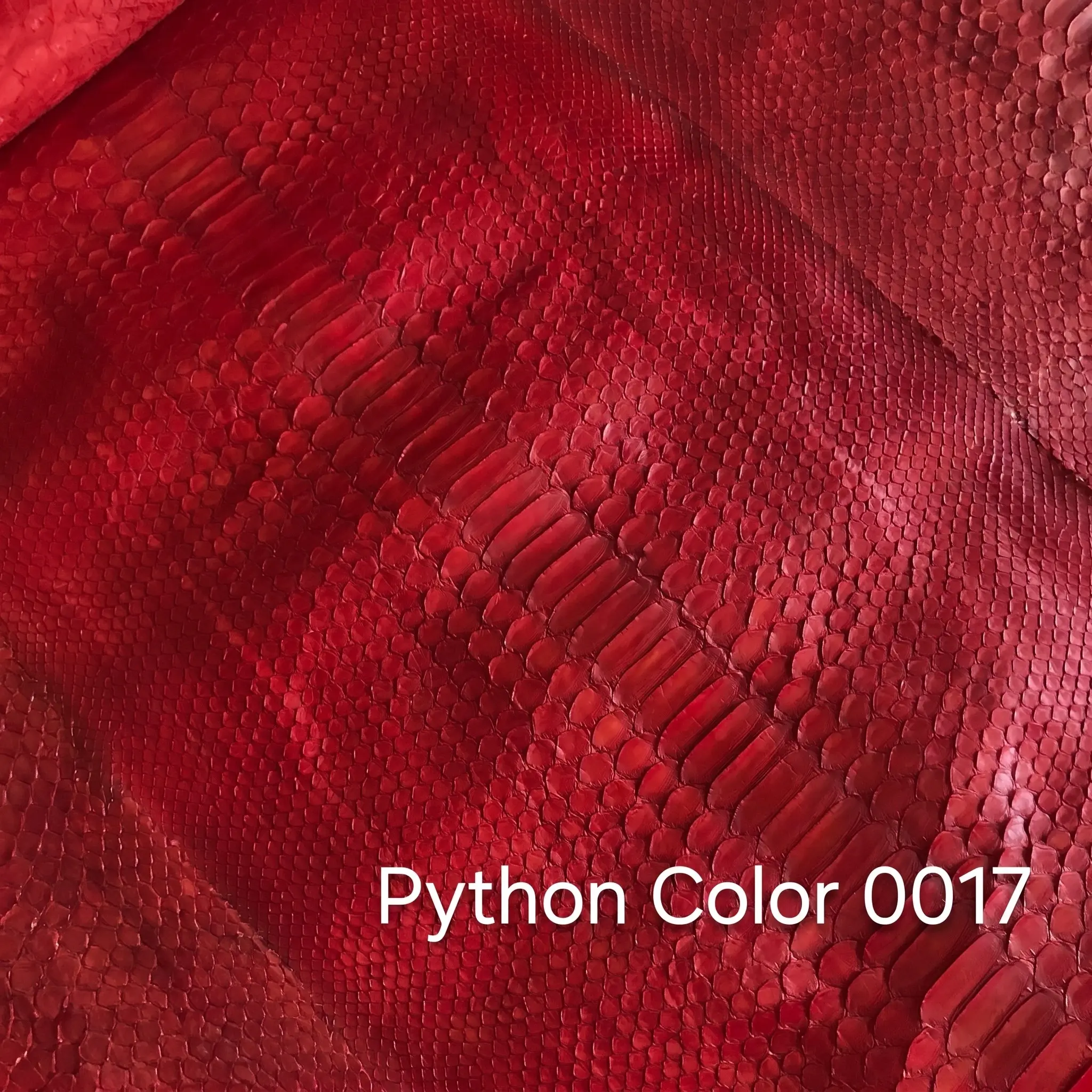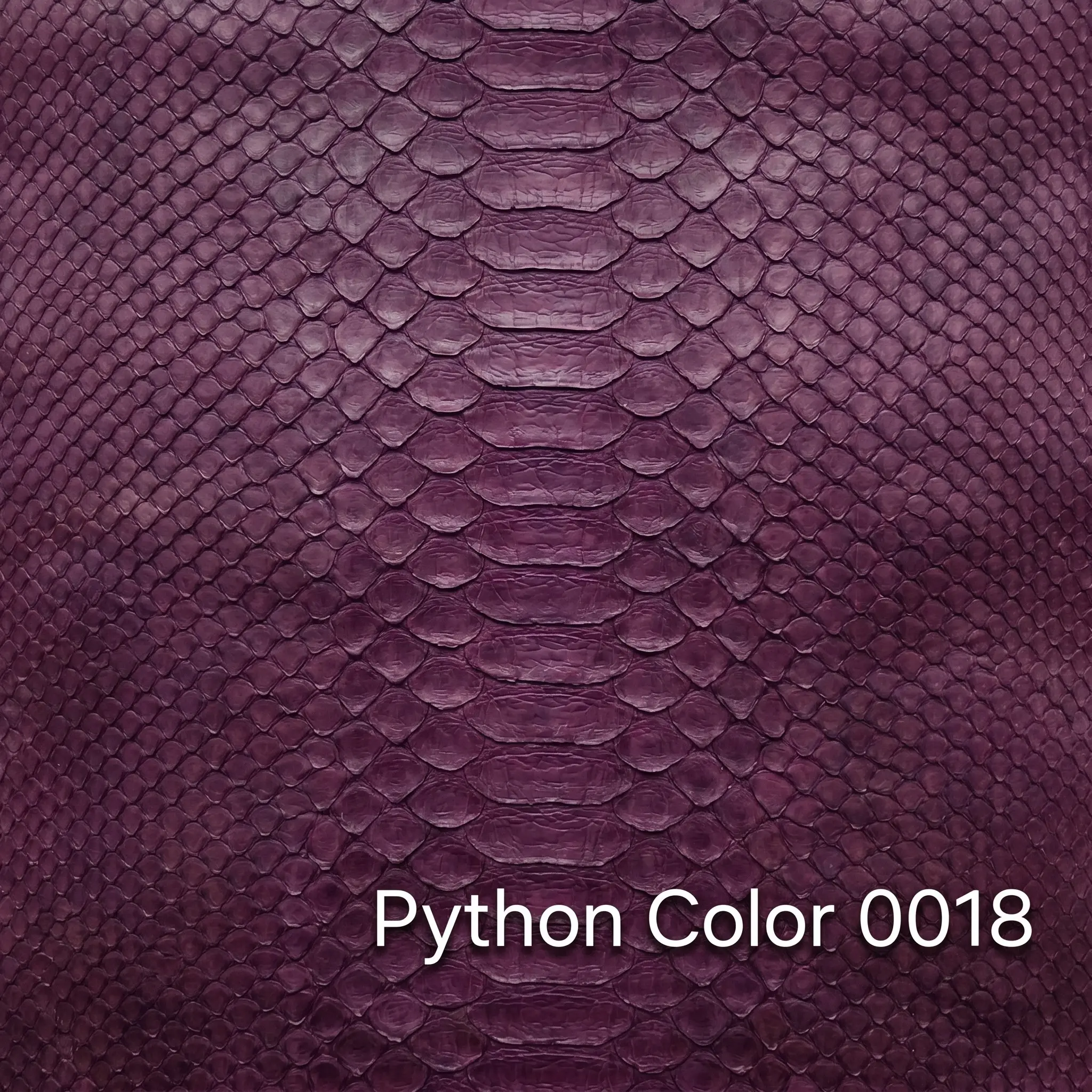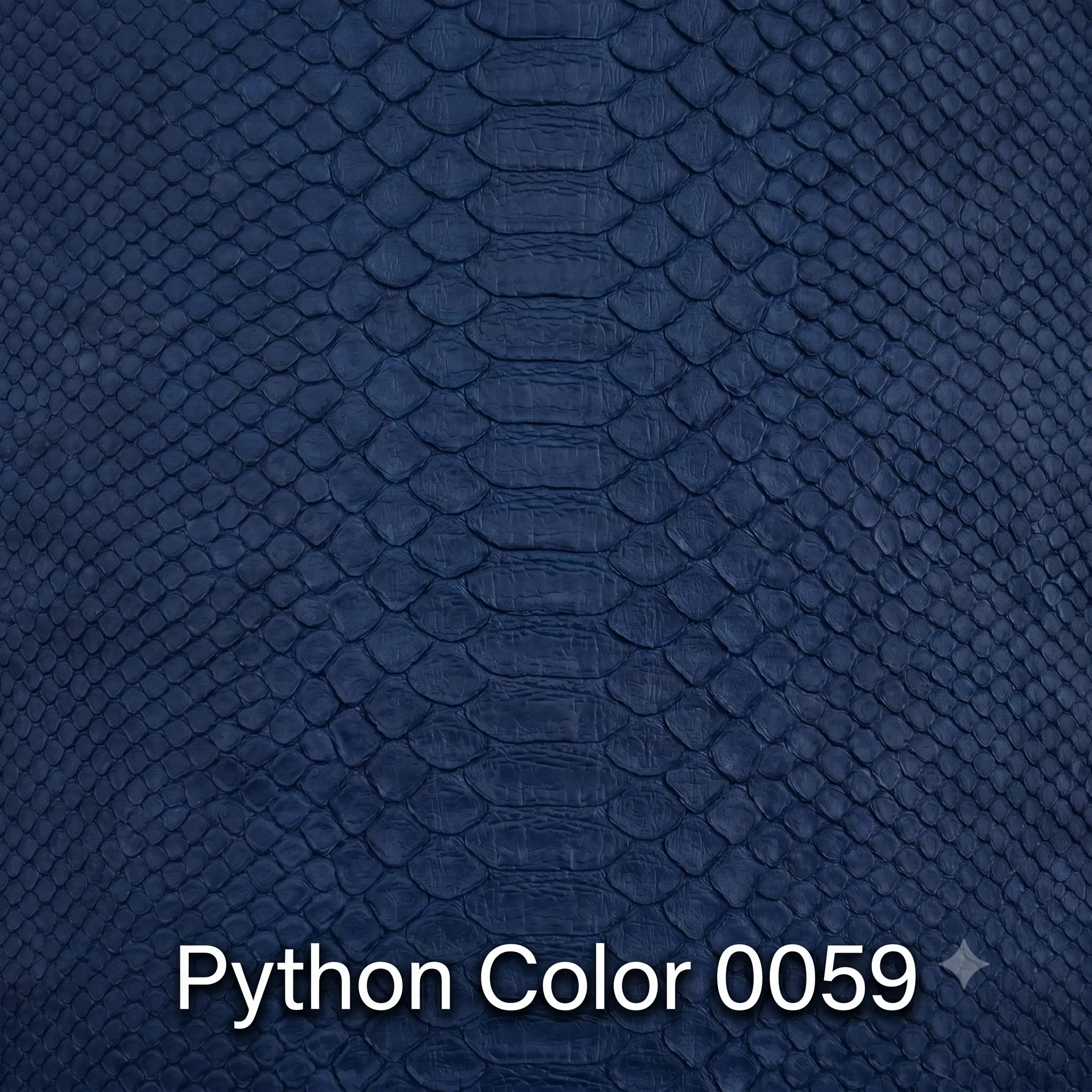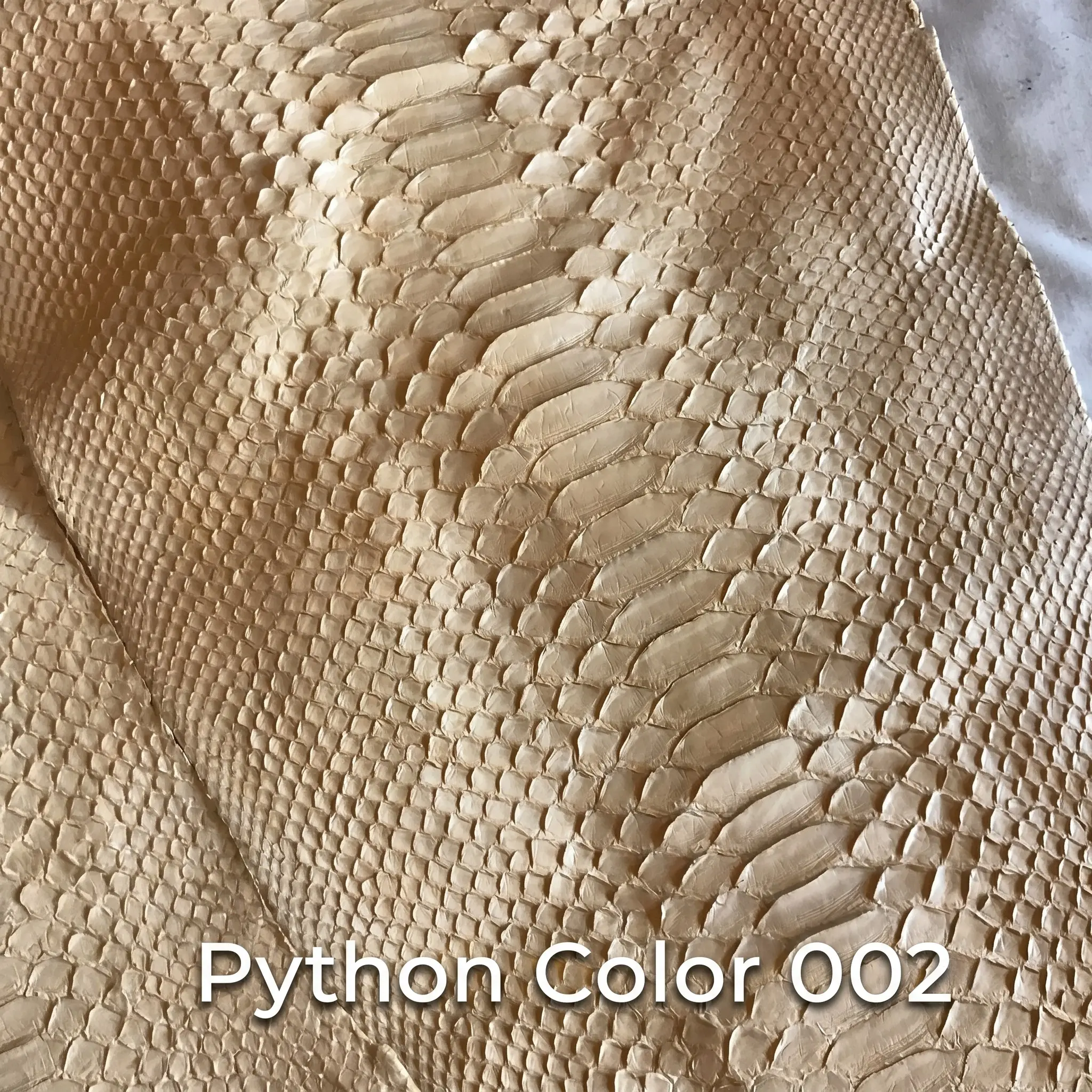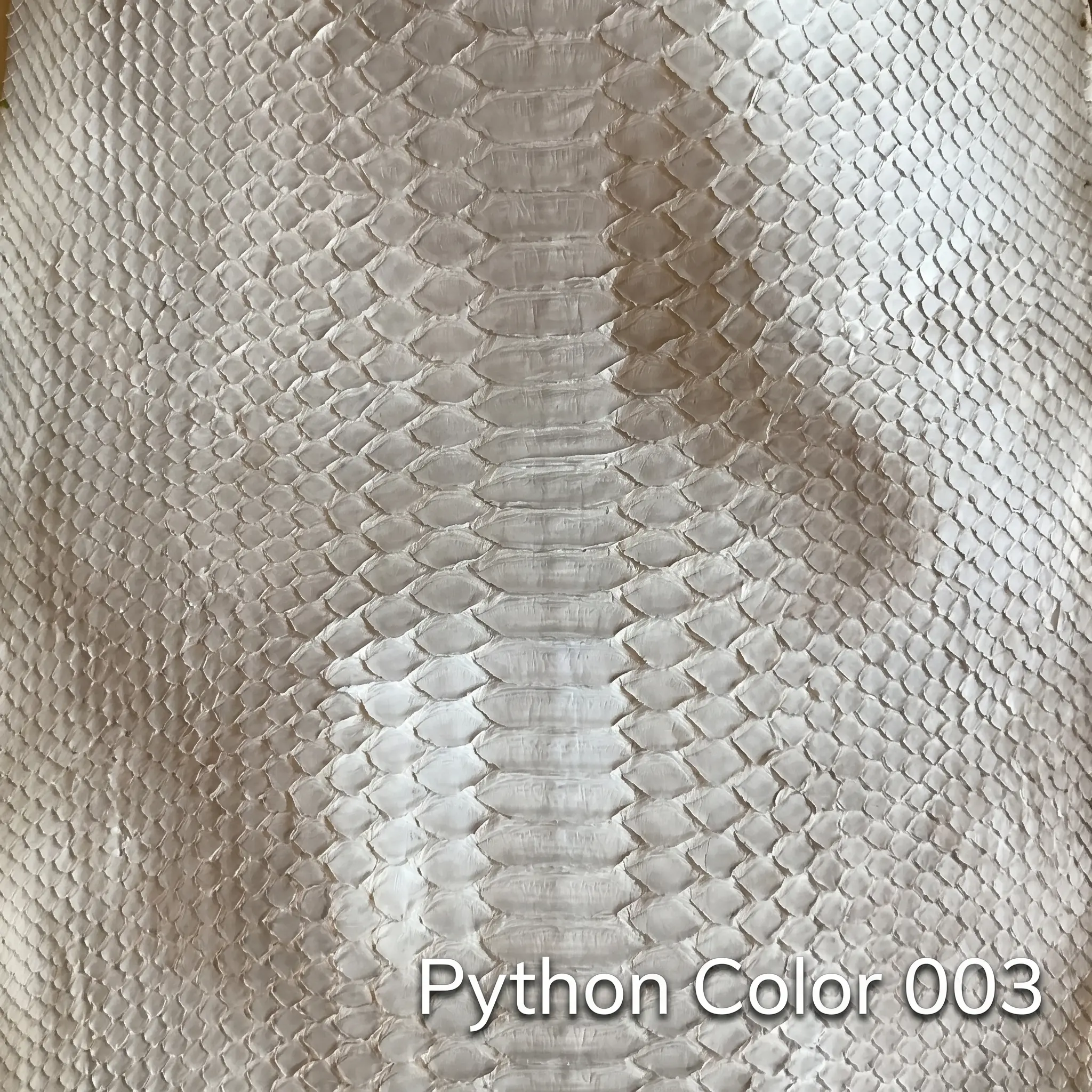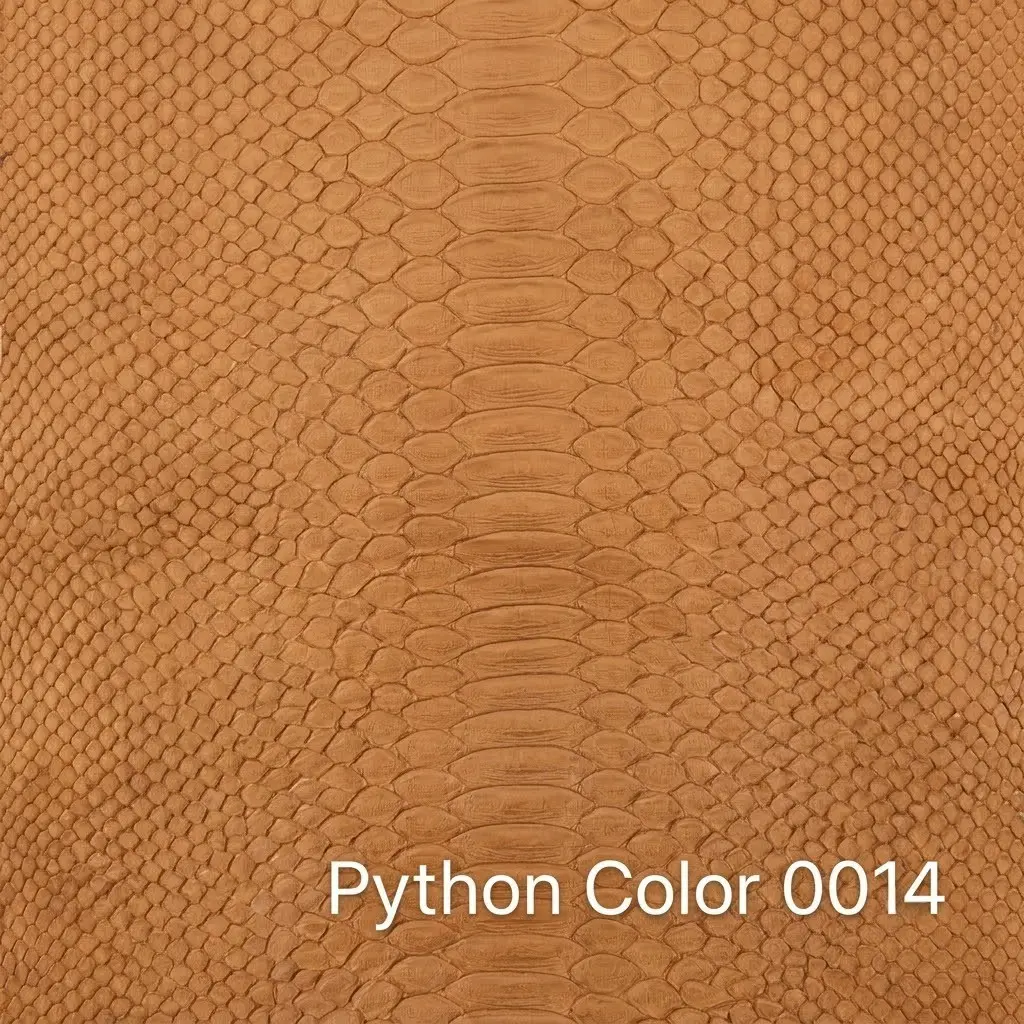
The easiest way to tell alligator vs crocodile leather is to look closely at the scales. Crocodile body scales typically retain a tiny sensory pore after tanning, while alligator body scales do not. An alligator belly may also show a distinctive umbilical scar. Scale size, symmetry, or hornback texture can provide clues, but they should not be used alone.
Alligator and crocodile leather can look very similar at first glance. Both have natural tile-like scales, both can be finished in polished or matte styles, and both are used for bags, belts, wallets, and accessories. Evaluating these subtle scale variances alongside other types of exotic leather provides a clearer picture of material characteristics.
So how do you tell the difference? Focus on anatomical markers that can remain visible after tanning rather than relying only on whether the scales look more square or uniform.
Feature | Alligator Leather | Crocodile Leather |
Sensory pores on body scales | Generally absent | Tiny pore may remain on each body scale |
Umbilical scar | Can be present on belly cuts | Absent |
Scale pattern | Natural variation; often flatter on belly cuts | Natural variation; belly can be flat and hornback highly raised |
Hornback texture | Possible depending on cut | Possible depending on cut |
Strong identification clue | Umbilical scar when visible | Sensory pores when visible |
These identifying characteristics can appear differently depending on how the leather is cut and used in the finished product. If you are evaluating footwear, see our guide to alligator shoes for men for a closer look at styles, fit, material use, and construction.
The most useful visual clue is the integumentary sensory organ, or ISO, pore.
Crocodiles have sensory organs across their body scales. After tanning, the sensory structure is removed, but a tiny pore can remain visible as a dot or depression on the scale.
Alligators also have sensory organs around their jaws, but not across the body scales in the same way. That makes body-scale pores one of the strongest clues when comparing finished leather.
Look closely under good lighting. If repeated tiny pores appear on the body scales, crocodile is more likely.
When a product includes the relevant central belly section, genuine alligator leather may show an umbilical scar.
This marking usually appears as an elongated, irregular web or star-like group of smaller scales. Crocodile does not have the same belly scar.
The Alligator Belly Belt is a useful example of a premium alligator belly cut, while the Palm Beach Clutch shows alligator leather across a larger structured surface.
However, not every alligator product will display the scar because the exact portion of hide containing it may not have been used. When evaluating a handbag, authenticity also involves more than finding a single identifying feature. Our guide to genuine alligator bags explains how natural scale variation, scale placement, craftsmanship, and construction work together in the finished piece.
You may see rules online claiming alligator is always perfectly square while crocodile is always irregular. That is too simplistic.
Scale appearance changes according to:
Use scale pattern as supporting evidence, not your only test. Finishing can dramatically influence the final appearance as well. A good example is Himalayan crocodile leather, where the distinctive finish creates a noticeably different look from more uniformly colored crocodile pieces.
“Belly” and “hornback” describe where the leather comes from, not automatically which animal produced it.
The Bifold Crocodile Wallet Belly uses a flatter crocodile belly cut, while the Bifold Crocodile Wallet Hornback uses the more raised dorsal section.
That contrast is helpful because it shows how dramatically the same species can look depending on the cut.
Likewise, a larger crocodile piece such as the Crocodile Bag – Yané can display natural scale variation across a broader leather surface.
Use this quick checklist:
A small wallet panel or heavily finished leather may not show every anatomical marker clearly, so visual identification has limits. If you’re evaluating a handbag specifically, our guide to buying genuine crocodile bags explains what to check beyond the leather itself, including craftsmanship, construction, scale placement, and functionality.
Understanding the difference between alligator and crocodile leather helps you appreciate the material beyond the label.
Crocodile body-scale pores and the alligator belly scar are much more useful identifiers than broad assumptions about scale shape. If you are expanding your exotic collection to include other skins, our python leather buyer guide outlines how to spot high-grade quality. Once you know these clues, it becomes easier to compare belts, wallets, bags, and other exotic leather pieces with greater confidence.
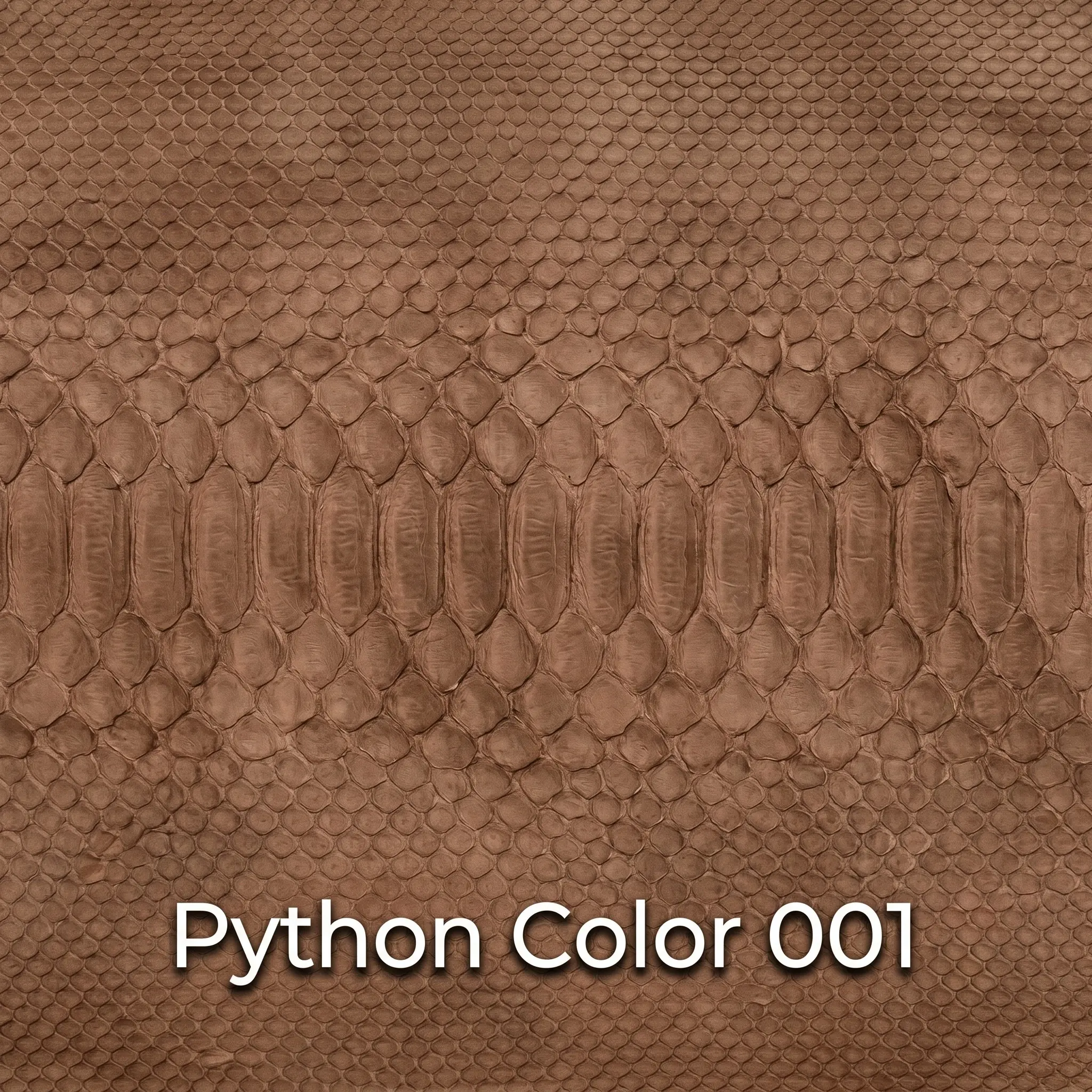
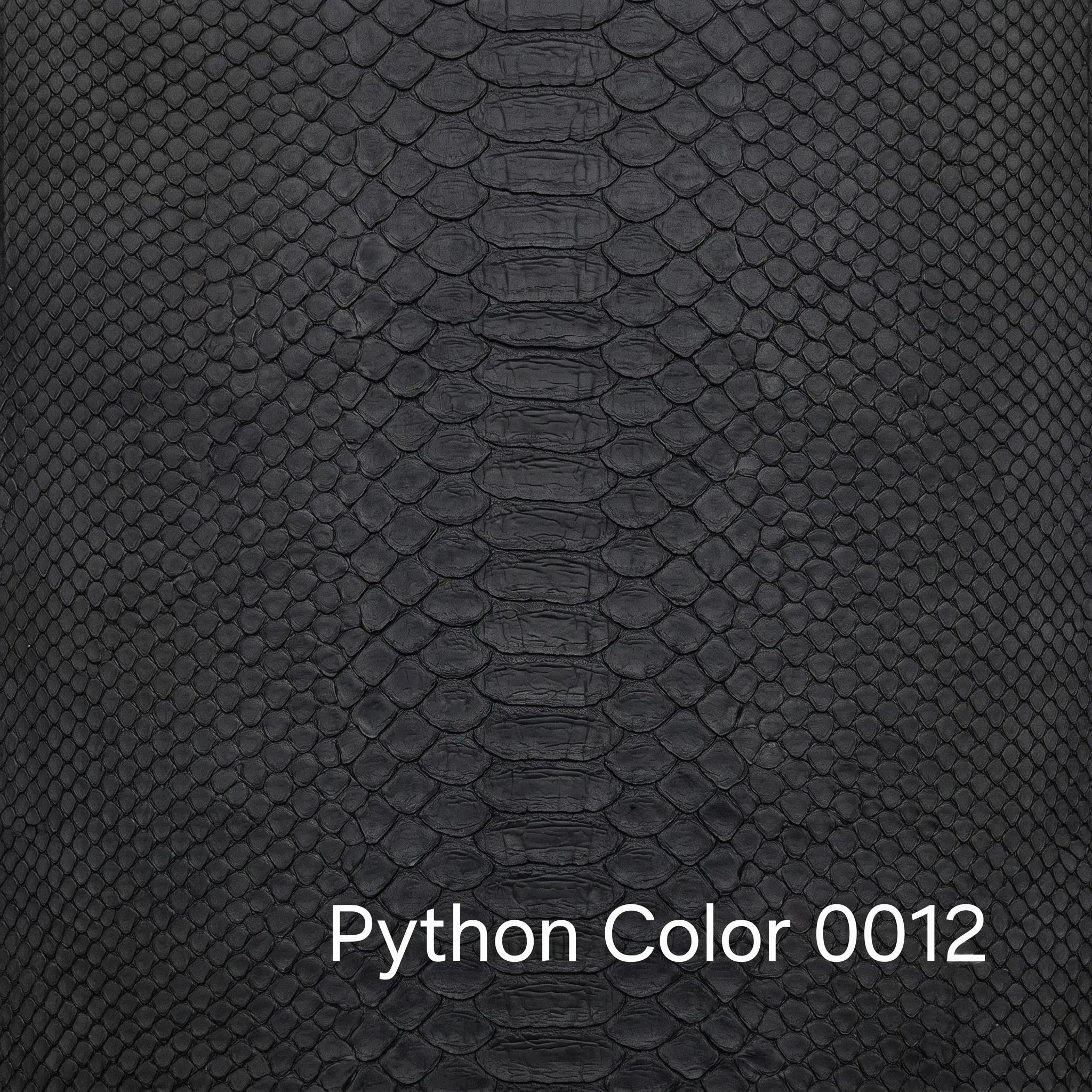
If you want to compare these materials with Python as well, read our guide to exotic leather types. Browse our collection of genuine alligator and crocodile leather goods here.
1. What is the easiest way to tell alligator from crocodile leather?
Look closely at the body scales. Crocodile leather can retain tiny sensory pores that appear as small dots or depressions on individual scales, while alligator body scales generally do not have these pores.
2. Does alligator leather have an umbilical scar?
A central alligator belly section can contain a distinctive umbilical scar that looks like an irregular web or elongated star-shaped group of scales. It may not appear on every finished product because that particular part of the hide may not have been used.
3. Is crocodile leather always more textured than alligator leather?
No. Texture depends heavily on the cut. Crocodile belly leather can be relatively flat and smooth, while crocodile hornback has much more pronounced ridges.
4. Can you identify alligator or crocodile leather from scale shape alone?
Not reliably. Scale shape and arrangement vary with species, hide section, size, cutting, and finishing. Sensory pores and an alligator umbilical scar are stronger identifiers when visible.
5. What is the difference between belly and hornback leather?
Belly leather comes from the underside and generally has flatter scales. Hornback comes from the dorsal or back area and retains more pronounced raised ridges. These terms describe the part of the hide used, not the species itself.