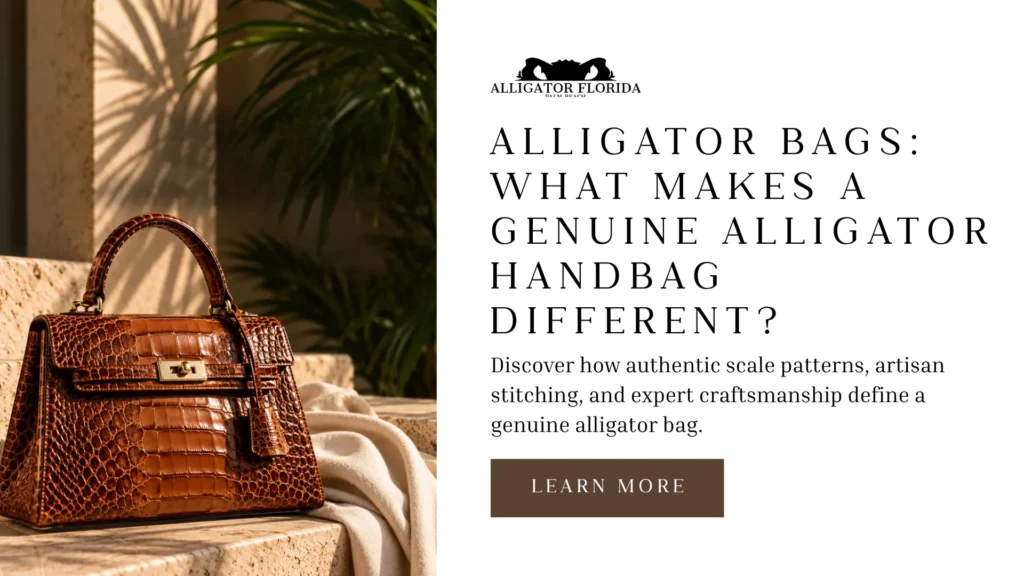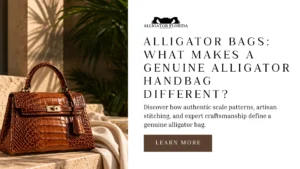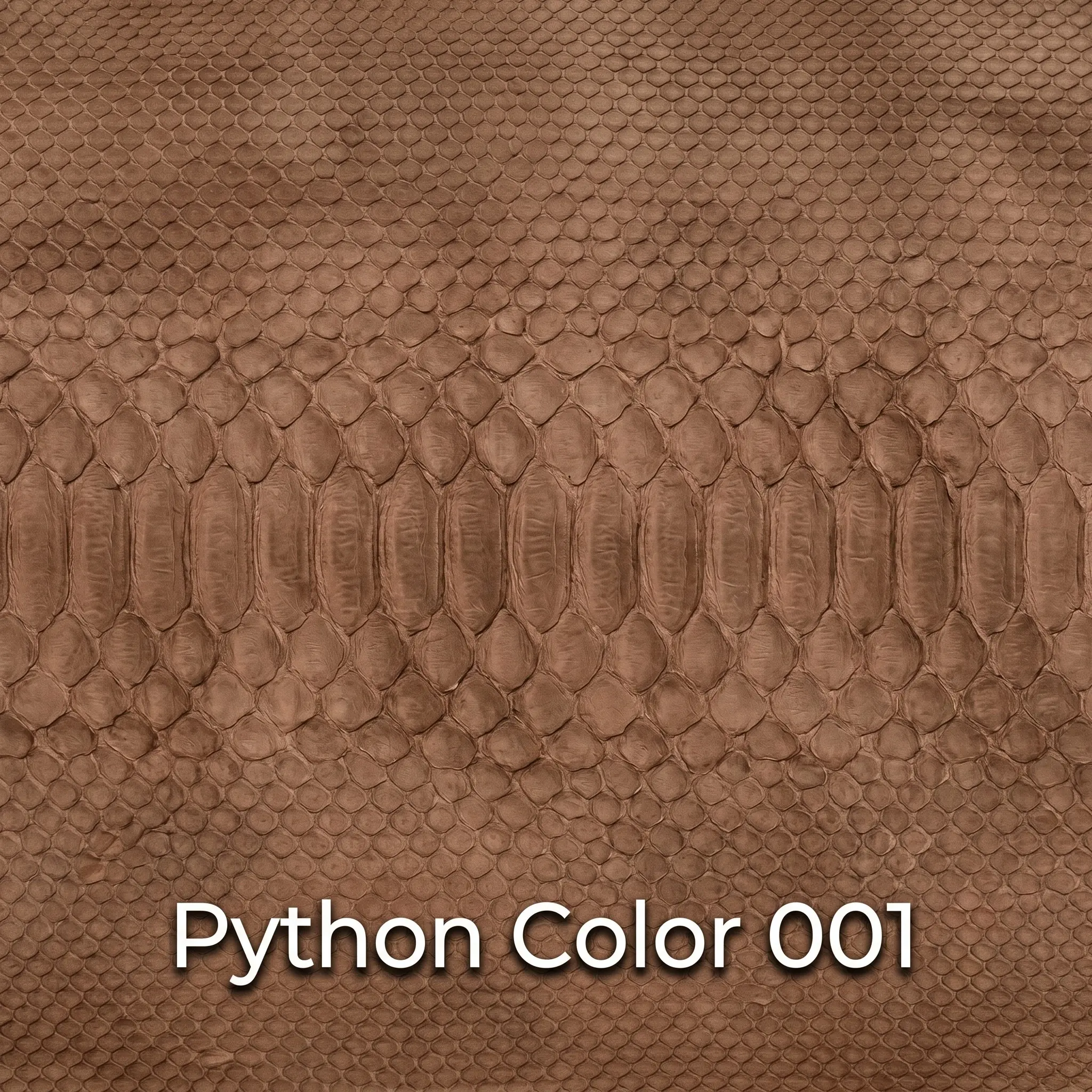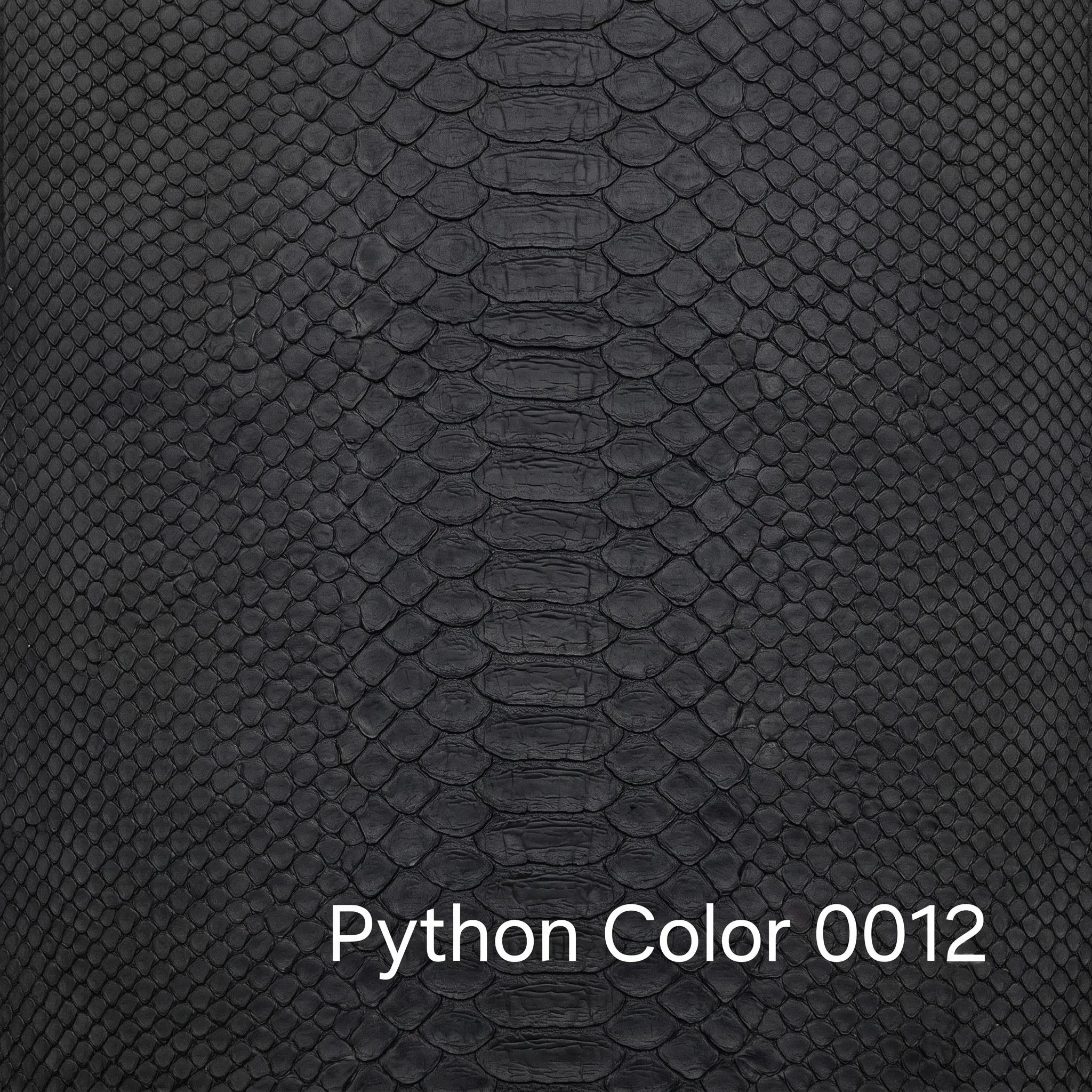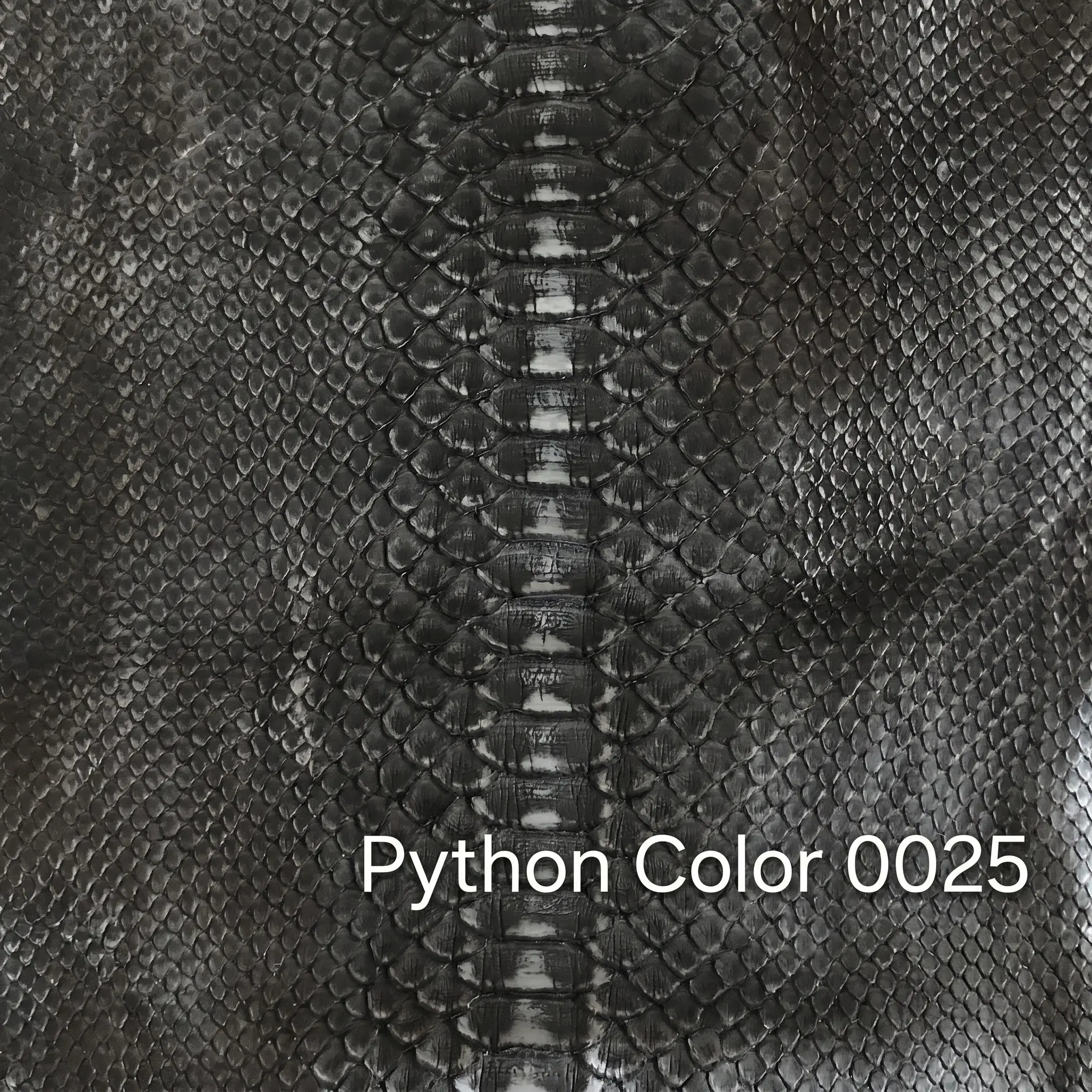

A genuine alligator bag stands apart because it uses real alligator leather with natural scale variation, distinctive belly and flank patterns, and characteristics that embossed leather cannot fully reproduce. But material alone is not enough—scale placement, construction, finishing, hardware, and craftsmanship all influence the quality of the finished handbag.
Alligator bags are often recognized by their distinctive scale patterns, but there is more to a genuine alligator handbag than appearance alone.
The section of hide used, how the scales are positioned, how the bag is constructed, and how clearly the seller identifies the material all matter.
If you are still comparing alligator with other exotic skins, our guide to alligator, crocodile, and Python leather explains how their scale patterns and visual characteristics differ.
Real alligator skin does not produce a perfectly repeated pattern.
Scale size and shape naturally change across different areas of the hide. Even when artisans carefully position the leather to create visual balance, small variations should remain.
That natural character is part of what makes each alligator bag different.
By comparison, embossed leather uses a manufactured pattern pressed into another type of hide. High-quality embossing can look convincing, so pattern alone should never be your only test.
The belly is one of the most recognizable areas of an alligator hide because it contains relatively smooth, flat scales.
These belly scales are often chosen for products where a refined and structured appearance is desired.
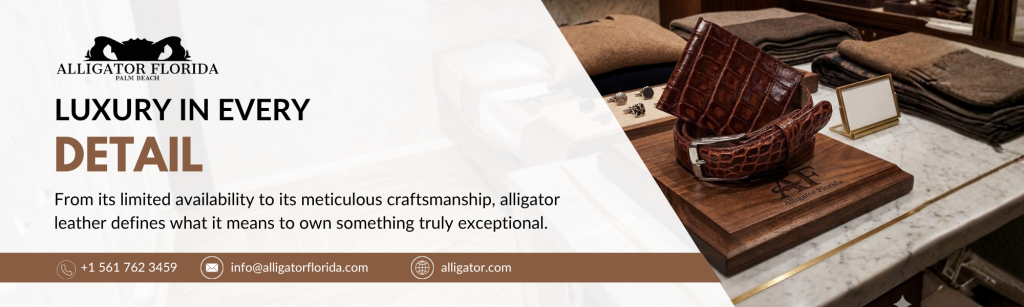
The Genuine Alligator Belly Belt provides a useful example of this smoother belly-scale character across a continuous strip of genuine alligator leather.
An alligator belly can also contain an umbilical scar—an elongated, irregular pattern unique to alligator leather. When that section of hide is incorporated into a product, it can be a useful authenticity marker.
Not every genuine alligator handbag will display it because the relevant section may not have been used.
With larger leather goods, the maker has to decide how different parts of the hide will appear across the bag.
Good scale placement should look intentional rather than random. On symmetrical panels, artisans may position the leather to create visual balance while still preserving its natural variation.
The Alligator Clutch Purse – Palm Beach demonstrates how genuine alligator texture can be incorporated into a clean, structured handbag silhouette.
When evaluating an alligator leather purse, look at how the scale pattern works with the overall shape rather than judging one individual scale.
Using authentic alligator skin does not automatically make a well-made handbag.
Inspect the complete construction:
A genuine exotic material deserves construction that supports it.
One of the most important distinctions is between genuine alligator leather and another leather embossed to resemble it.
Possible clues to genuine alligator include:
However, modern embossing can be convincing. Avoid deciding authenticity based only on a photograph or one visual feature.
If you are trying to distinguish alligator from another real crocodilian leather rather than an embossed imitation, our guide to alligator vs crocodile leather explains stronger identification clues such as sensory pores and the alligator umbilical scar.
Before purchasing, ask:
Do not choose based on the word “alligator” alone.
A genuine alligator handbag combines a naturally occurring scale pattern with the design and workmanship needed to turn that hide into a functional luxury piece.
The most meaningful differences are not simply price or appearance. They are authentic material, natural variation, thoughtful scale placement, quality construction, and transparency about what you are buying.
Knowing those details makes it easier to evaluate an alligator bag beyond the label and choose a piece for the leather, craftsmanship, and design itself.
Explore a genuine alligator clutch purse here.
1. How can you tell if an alligator bag is genuine?
Look for natural scale variation, clear material information, and anatomical characteristics such as an alligator umbilical scar when the relevant belly section is visible. Avoid relying on one visual characteristic alone.
2. Do genuine alligator bags have perfectly symmetrical scales?
Not naturally. Artisans can carefully align and position leather panels, but genuine hides still contain natural variation in scale size, shape, and arrangement.
3. What is alligator belly leather?
Alligator belly leather comes from the underside of the animal and generally features flatter, smoother scales. It is commonly used when a refined and relatively uniform crocodilian pattern is desired.
4. Is embossed alligator leather the same as genuine alligator?
No. Embossed leather usually starts with another type of hide and has an alligator-style pattern mechanically pressed into its surface. Genuine alligator leather comes from actual alligator skin.
5. What should I look for when buying an alligator handbag?
Check the stated material, natural scale characteristics, leather placement, stitching, edges, structure, lining, hardware, seller transparency, and whether the size and design suit how you plan to use the bag.