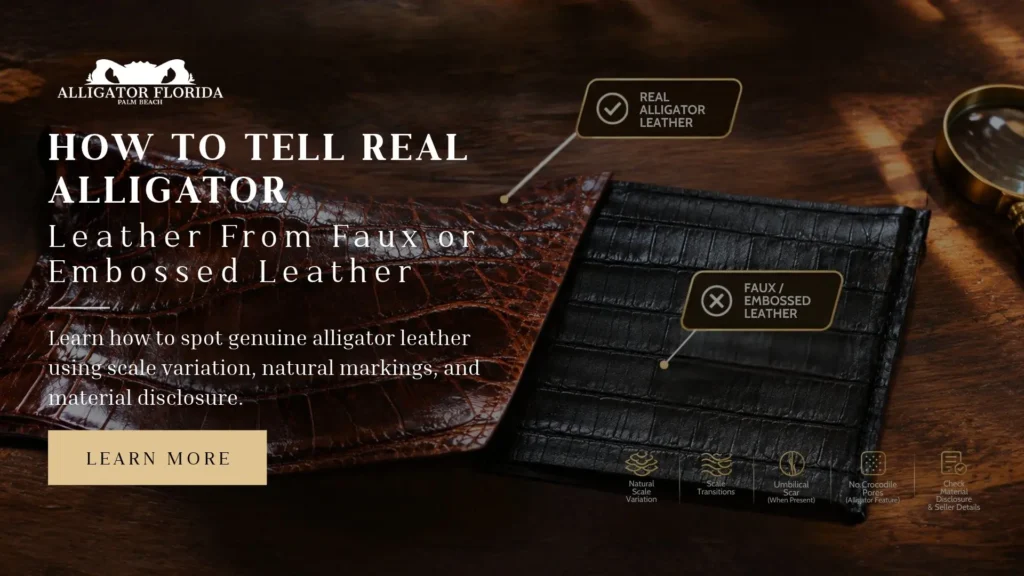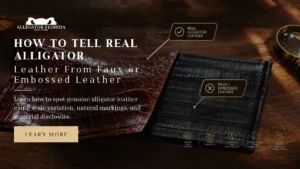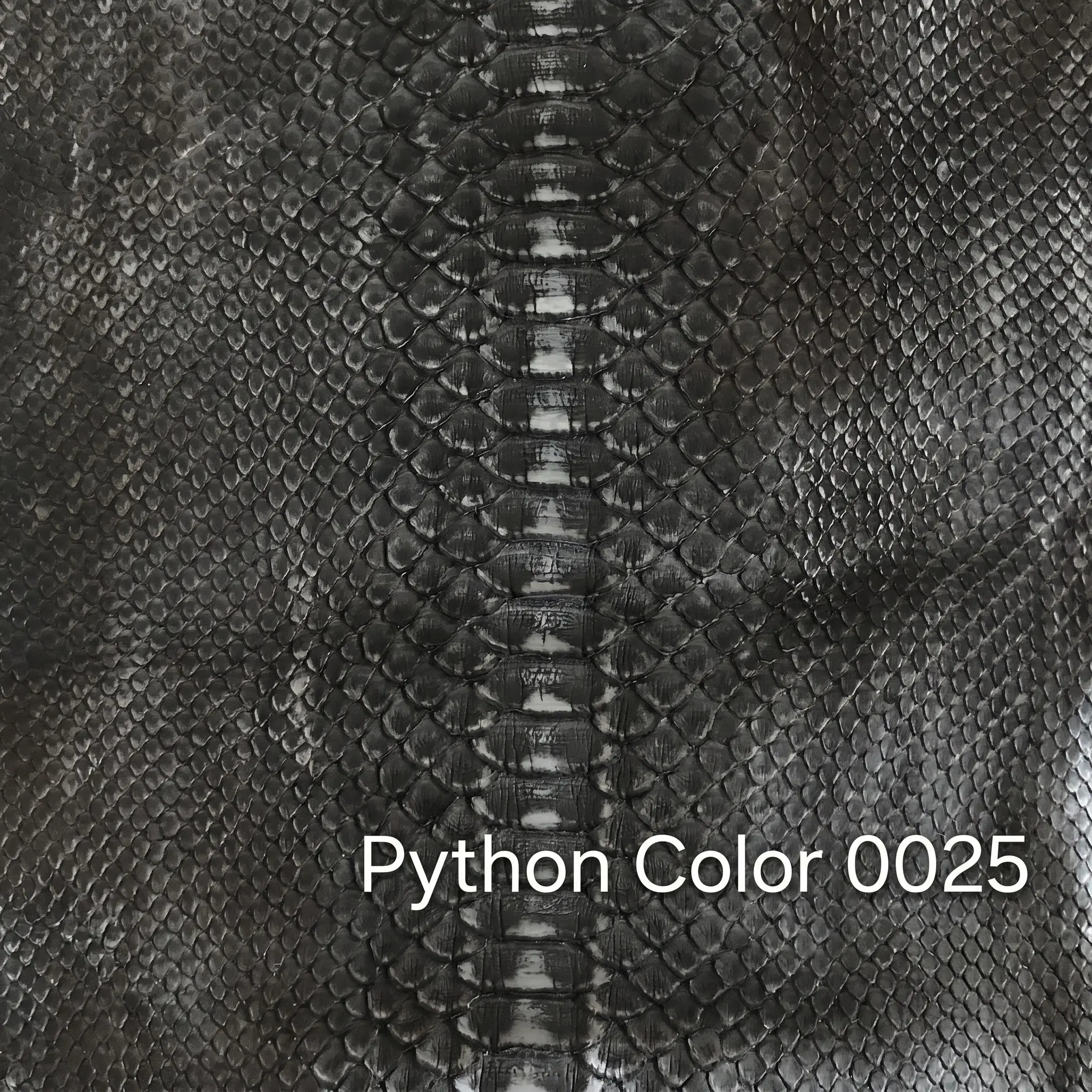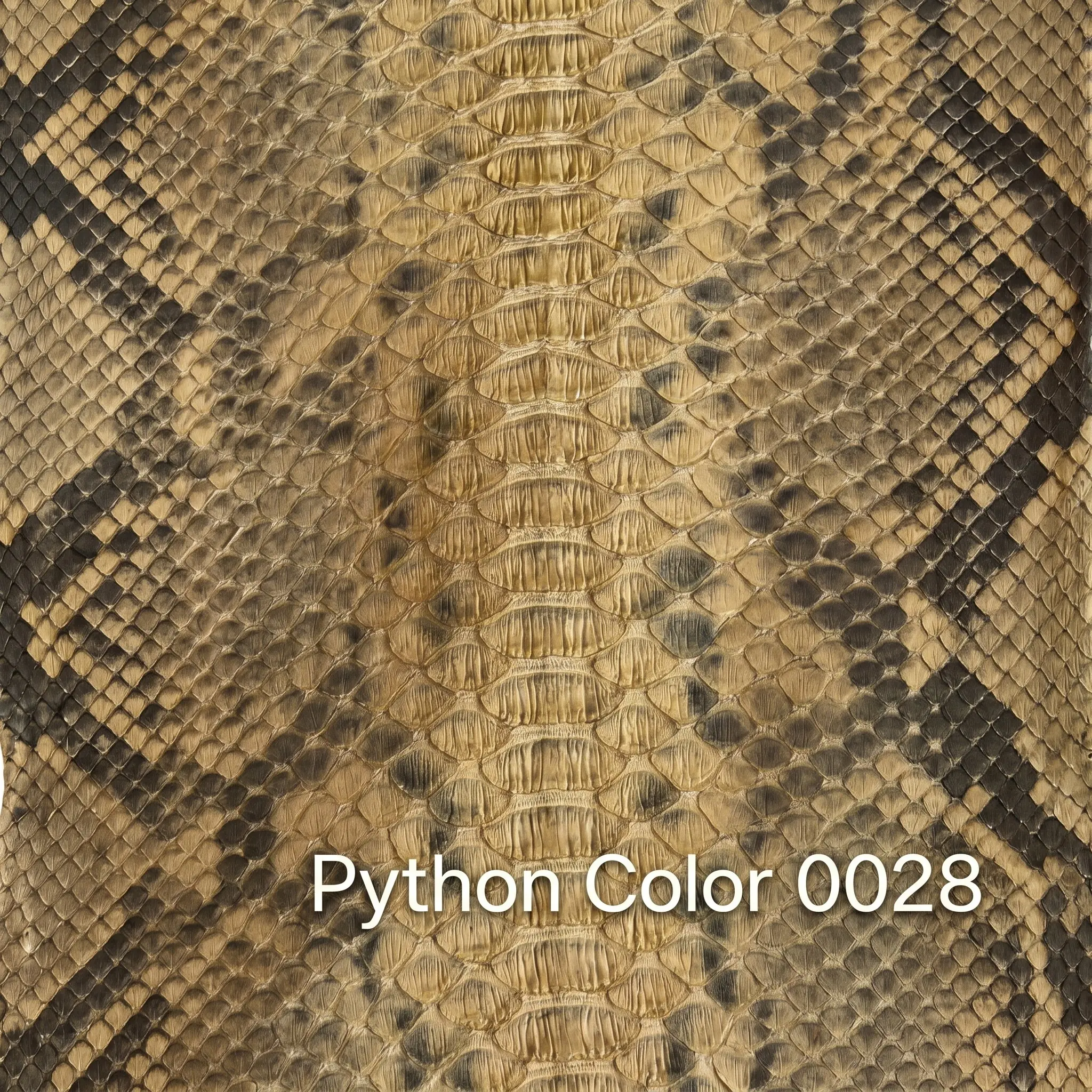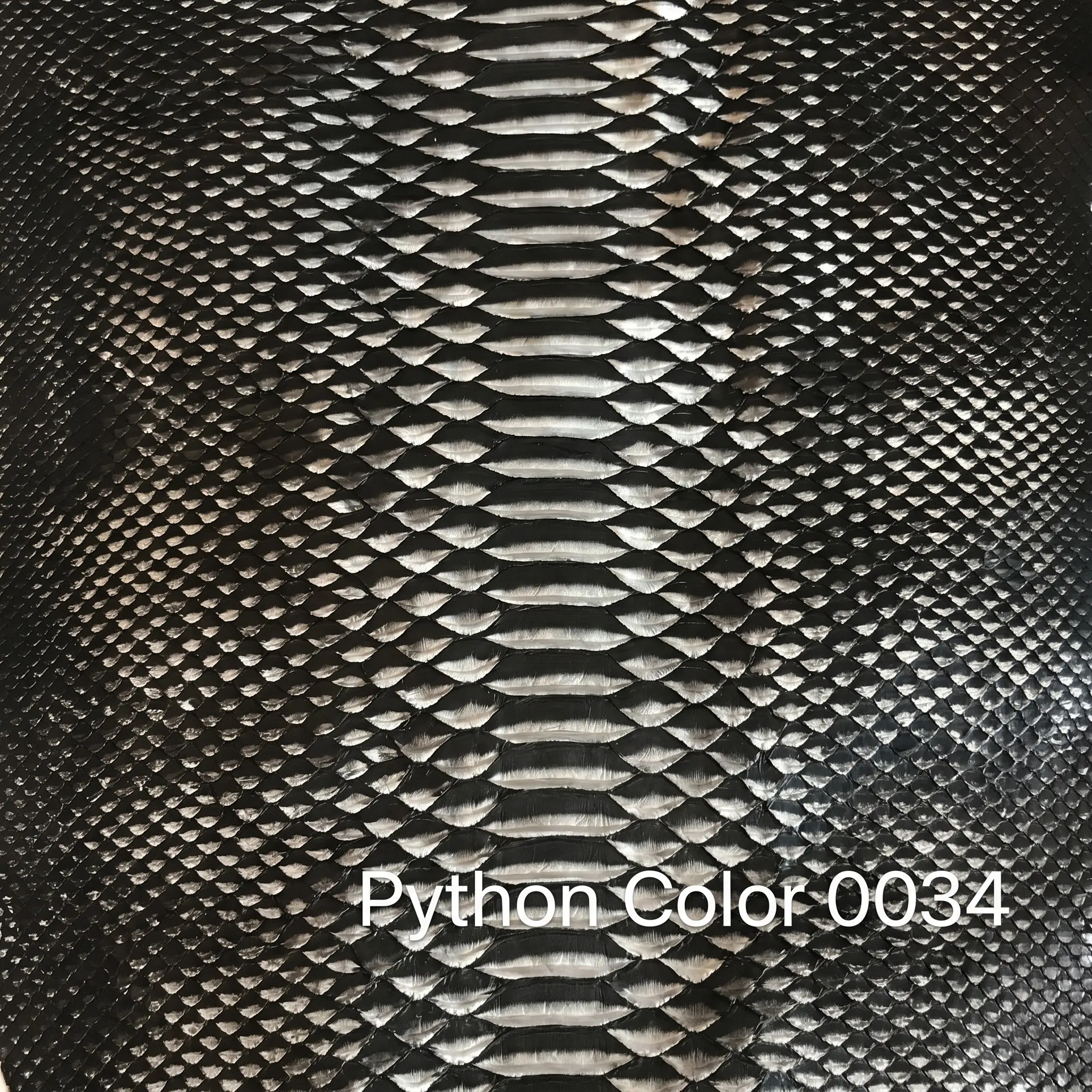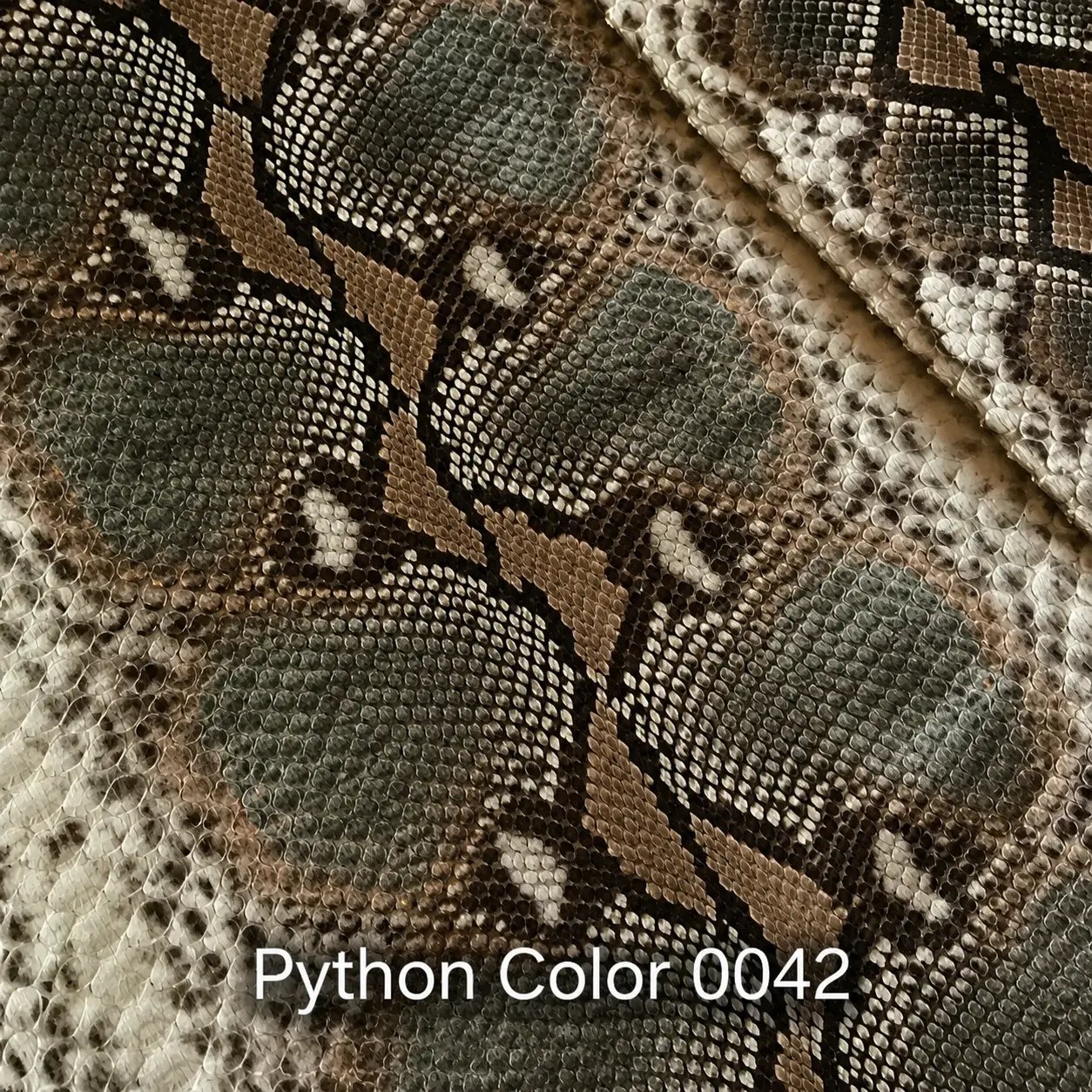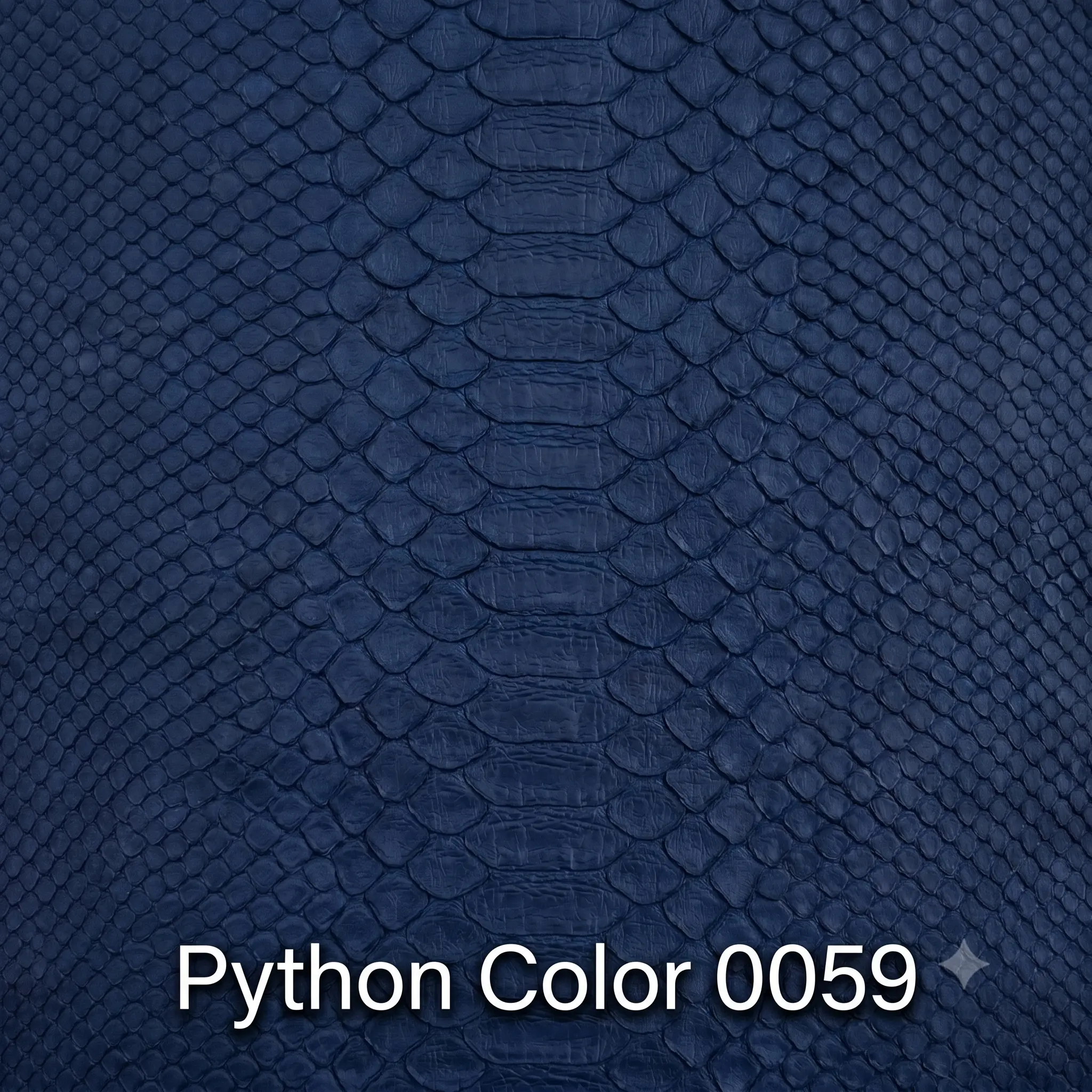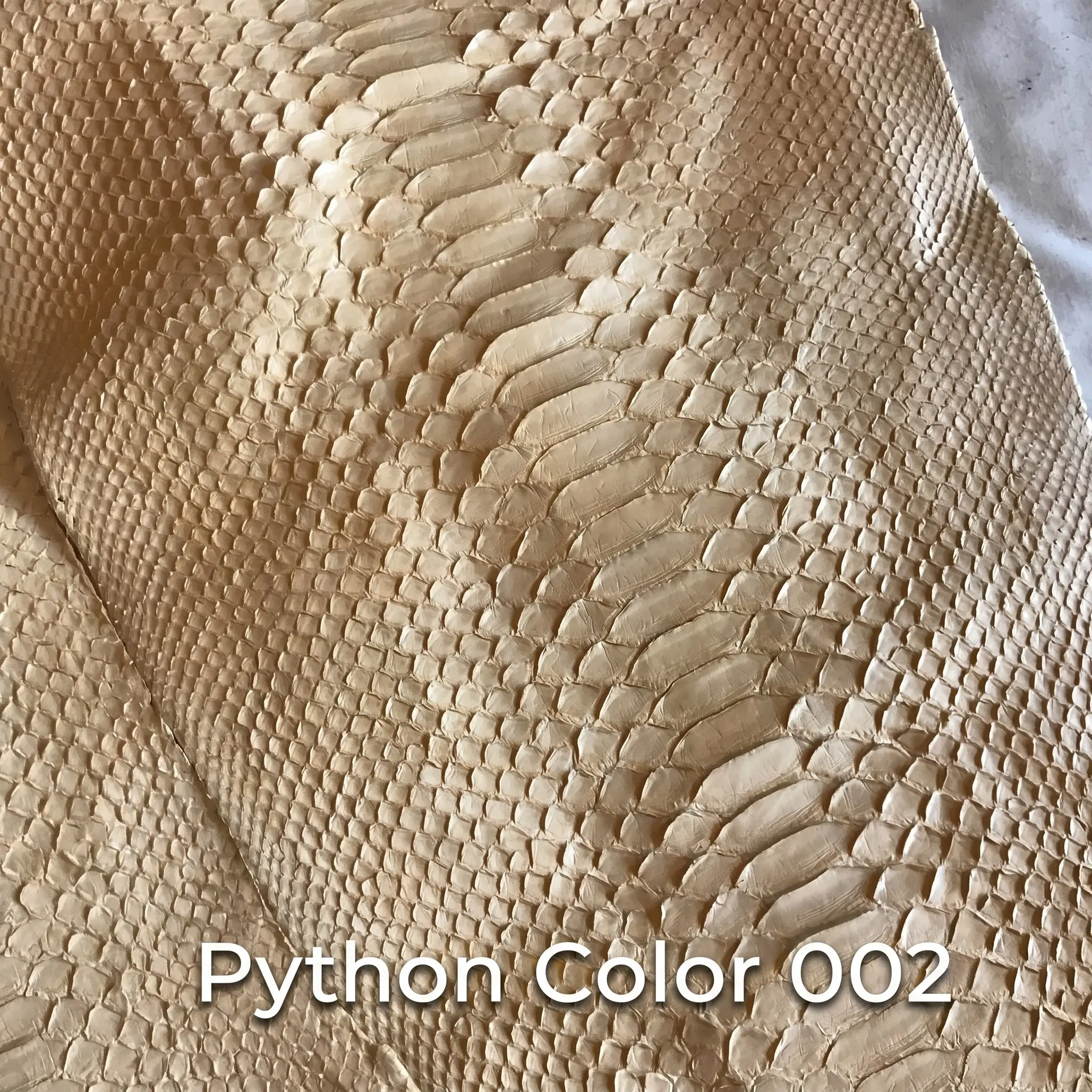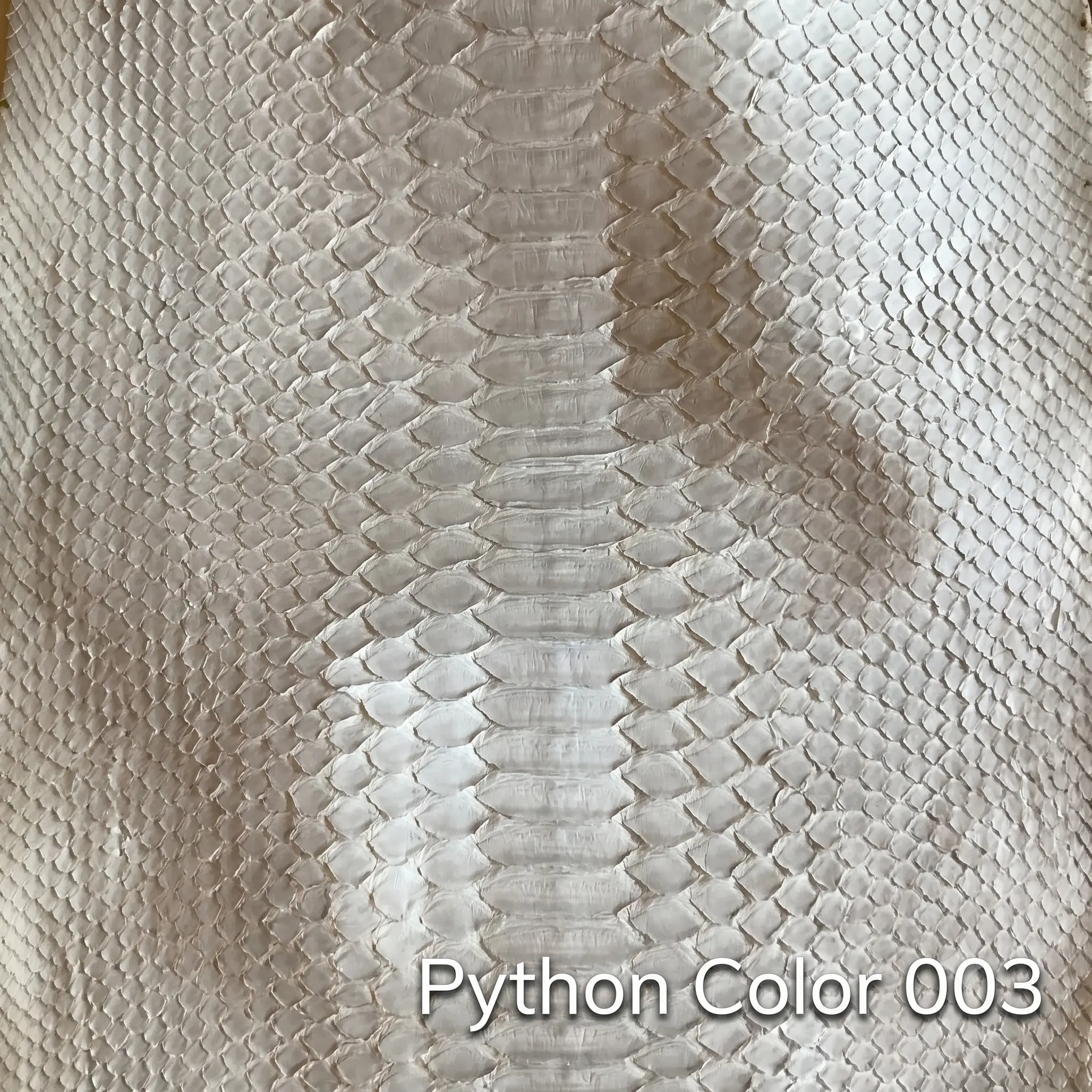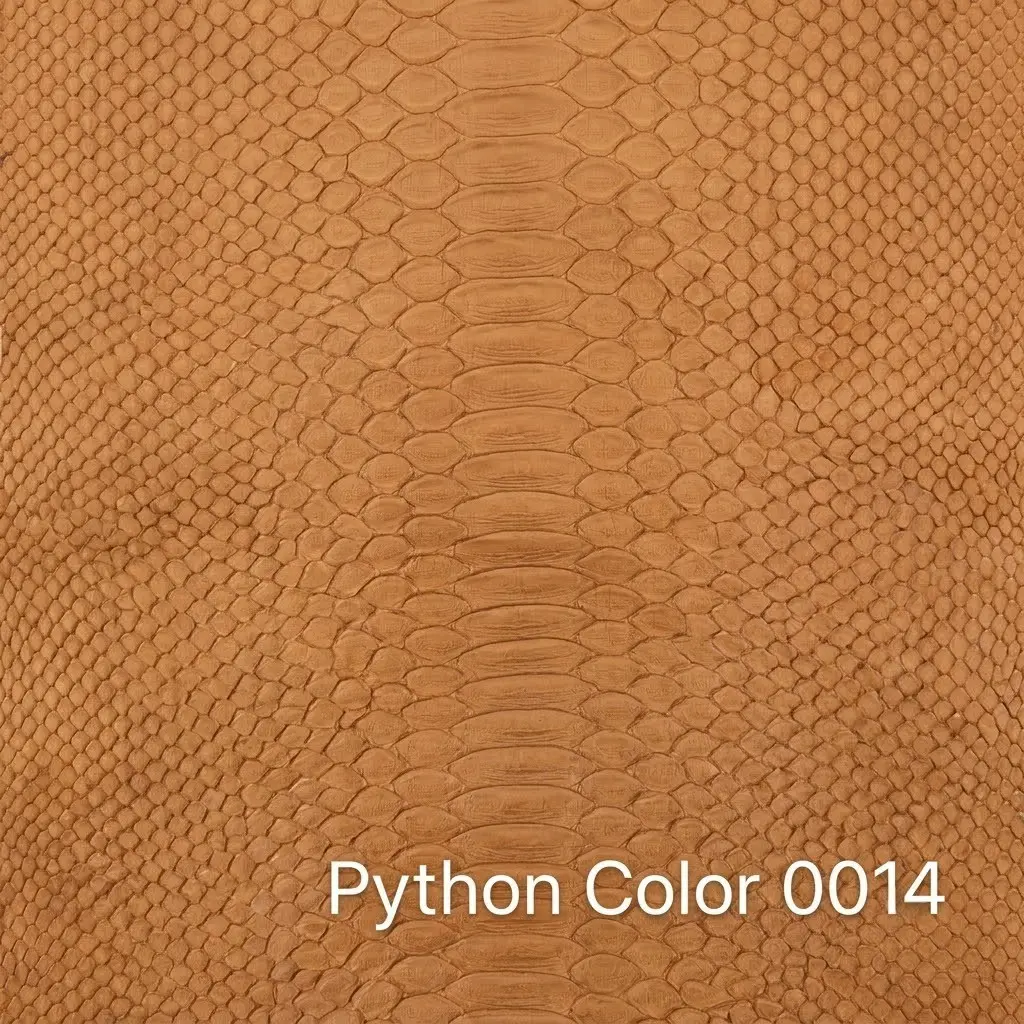
Real alligator leather usually shows natural changes in scale size, shape, and arrangement rather than a perfectly repeating pattern. An alligator belly may also contain a distinctive umbilical scar when that section of hide is present. However, modern embossed leather can look convincing, so no single visual test proves authenticity. Check several clues together and prioritize clear material information from a reputable seller.
A convincing alligator pattern does not automatically mean the material came from an alligator.
Today, buyers may encounter genuine alligator, another animal leather embossed to imitate alligator, or completely synthetic faux material.
Knowing the difference starts with understanding what each one actually is.
These terms are not interchangeable.
Genuine alligator leather comes from actual alligator skin that has been tanned and finished.
Alligator-embossed leather generally uses another real leather, commonly cowhide, with an alligator-style pattern mechanically pressed into its surface.
Faux alligator leather is typically a synthetic material designed to imitate both leather and crocodilian scales.
So embossed leather can still be real leather—it simply is not genuine alligator leather.
One of the most useful clues is variation.
Real alligator skin naturally changes across the hide. Scale size, shape, and arrangement are not perfectly identical from one section to another.
The Genuine Alligator Belly Belt is a useful example because its genuine belly leather displays the smoother scale character associated with that part of the hide.
Embossed patterns are created mechanically. They can therefore appear unusually repetitive or identical across multiple products.
But do not rely on pattern repetition alone. High-quality embossing can be very convincing.
A real hide has anatomical transitions.
The relatively broad belly scales eventually move into smaller, differently shaped flank scales rather than maintaining the exact same pattern everywhere.
On a larger genuine-alligator surface, such as the Alligator Clutch Purse – Palm Beach, natural scale variation becomes easier to appreciate.
An embossed pattern may reproduce a convincing belly section while failing to recreate those natural transitions accurately.
Our guide to genuine alligator bags explains this natural scale variation in more detail.
American alligator belly leather can contain a distinctive umbilical scar.
It usually appears as an irregular web-like or elongated grouping of smaller scales around the central belly area.
When present, it can be a strong identification clue.
However, not every genuine alligator product will show it. A wallet, belt, shoe, or bag may simply use another part of the hide.
Its absence therefore does not prove that the material is fake.
A product can be genuine exotic leather and still not be alligator.
Crocodile body scales can retain tiny sensory pores that appear as small dots or depressions. Alligator body scales do not have the same pore pattern.
If you see these repeated pores, you may be looking at genuine crocodile rather than alligator.
Our alligator vs crocodile leather guide explains those species differences more closely.
Do not assume a product must be made completely from alligator to contain genuine alligator leather.
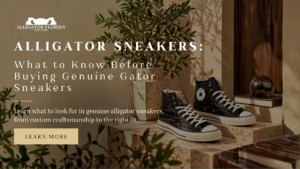
For example, the Wild Alligator Converse Low-Top Sneakers – Cognac combine a recognizable sneaker silhouette with authentic alligator detailing.
The important question is whether the seller clearly explains which parts are genuine alligators. The same principle applies to outerwear. Our guide to alligator leather jackets explains how genuine alligator can be incorporated as panels or accents, along with what to check in craftsmanship, fit, and care.
Avoid relying on internet tricks such as:
These tests can damage the product and still fail to identify the species reliably.
Instead, check:
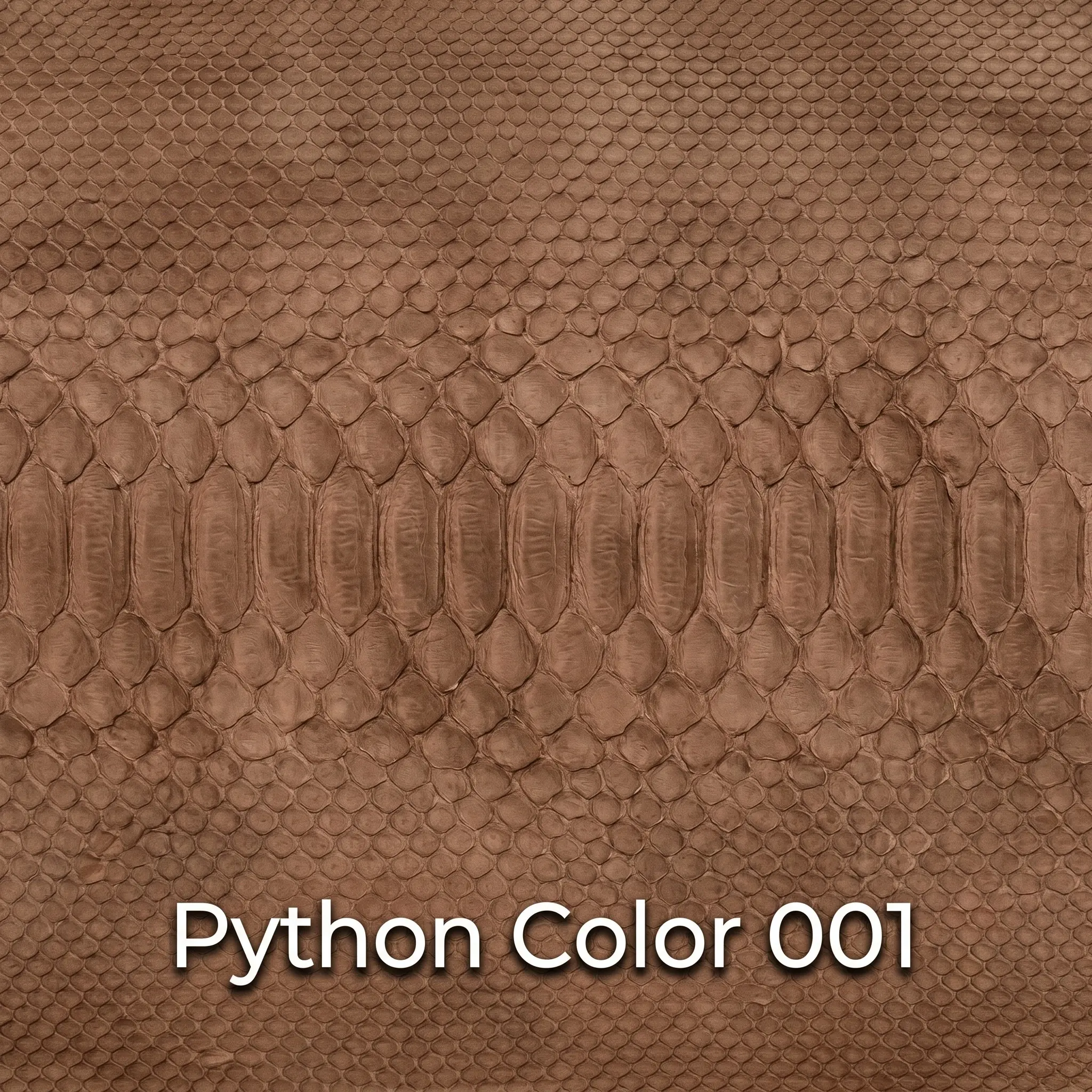
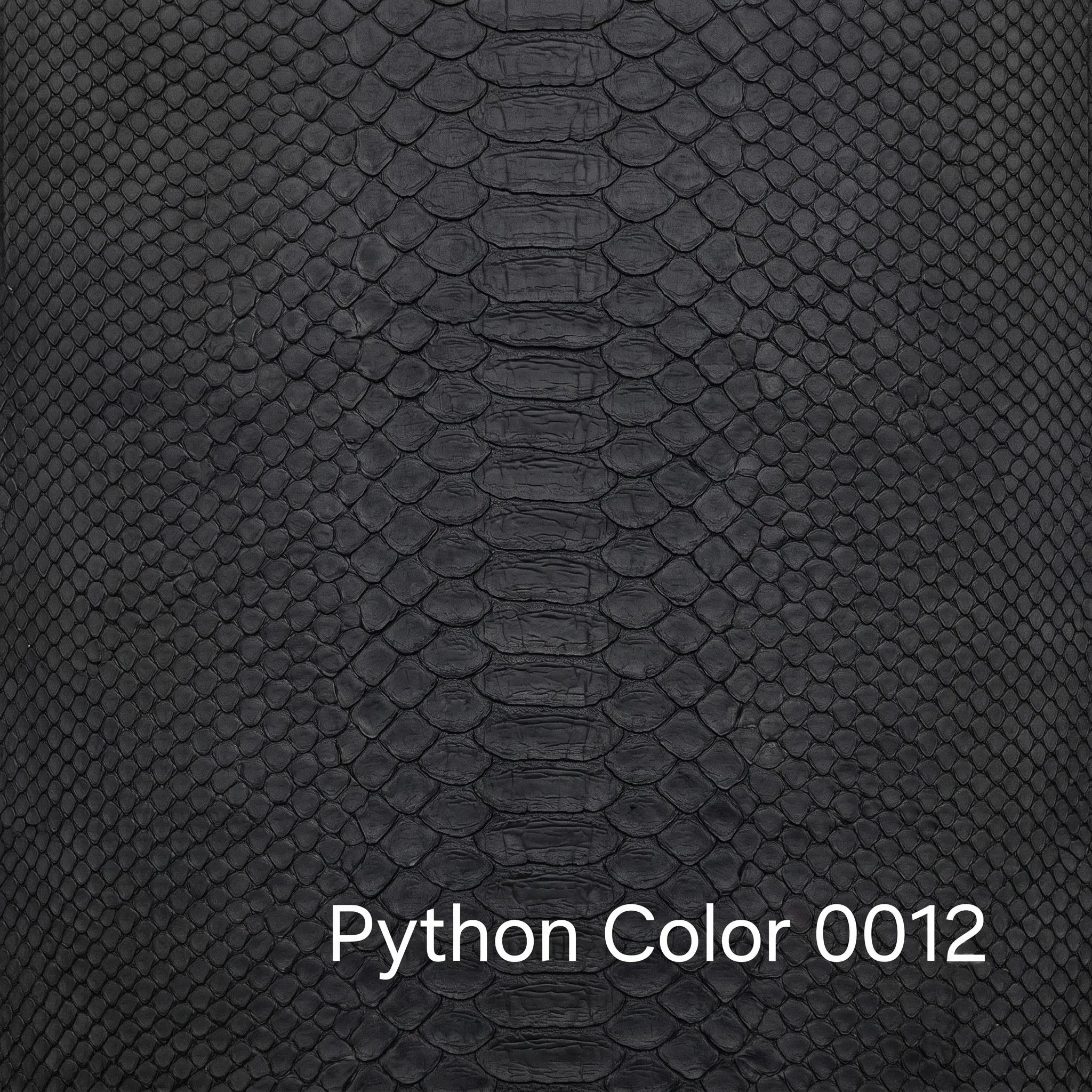
If you are comparing alligator with other exotic materials, see our guide to alligator, crocodile, and Python leather.
There is no reliable one-second test for real vs fake alligator leather.
Natural scale variation, anatomical transitions, an umbilical scar when visible, and the absence of crocodile sensory pores can all provide clues. But modern embossing can imitate surface appearance surprisingly well.
The safest approach is to combine visual inspection with clear seller disclosure, product information, and trustworthy sourcing.
Ready to explore genuine alligator leather products? Browse our selection of exotic leather belts, shoes, and clutches to discover different styles, natural scale patterns, and finishes.
1. Does real alligator leather have perfectly even scales?
No. Genuine hides naturally vary in scale size, shape, and arrangement, although skilled craftsmanship can make finished panels appear balanced.
2. Is embossed alligator leather real leather?
It can be real leather, but it is not necessarily real alligator. Another animal hide, such as cowhide, can be mechanically embossed with an alligator-style pattern.
3. Does every genuine alligator product have an umbilical scar?
No. The scar appears only when the relevant central belly section is included in the finished product.
4. Can you tell real alligator leather just by touching it?
Not reliably. Tanning, coatings, backing materials, and finishes can significantly change how genuine and imitation materials feel.
5. What is the safest way to confirm genuine alligator leather?
Evaluate several physical clues together and check the seller’s material disclosure, sourcing information, product details, and reputation rather than relying on one visual or at-home test.